New Iran-US attacks threaten ceasefire as Strait of Hormuz tensions rise
New strikes, a U.S. naval response, and attacks on shipping left the Iran ceasefire on a knife-edge as Trump’s Hormuz plan began.

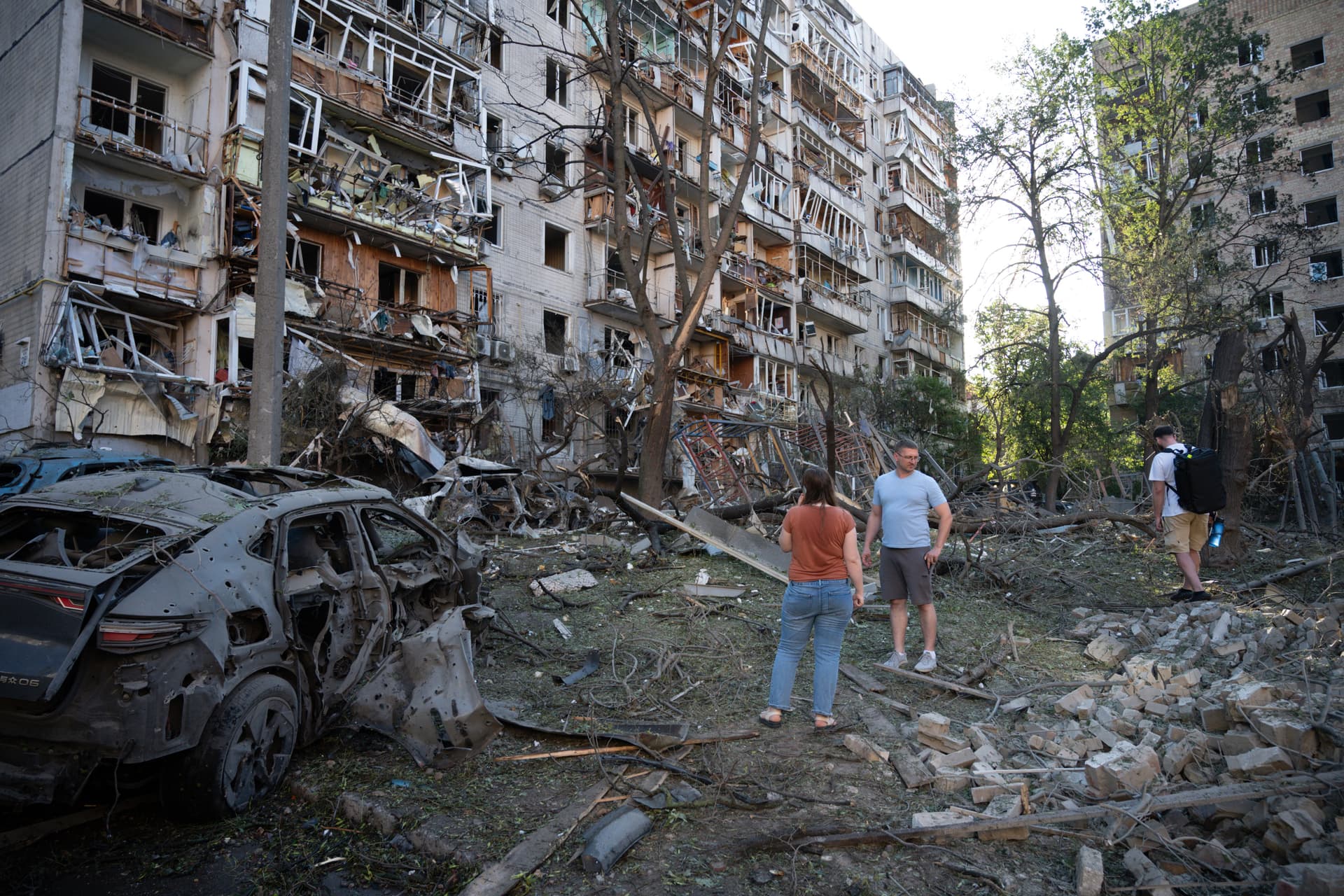
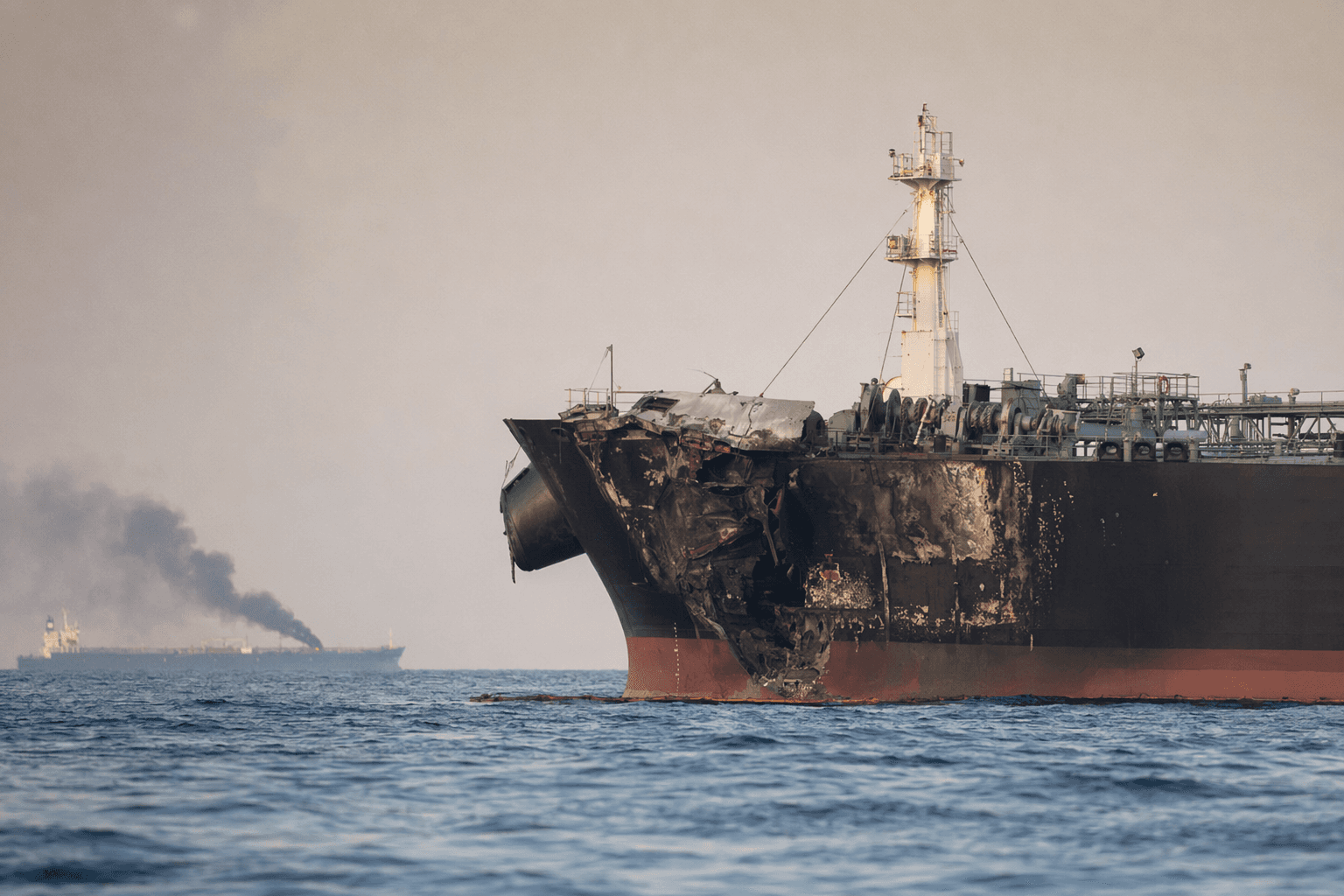
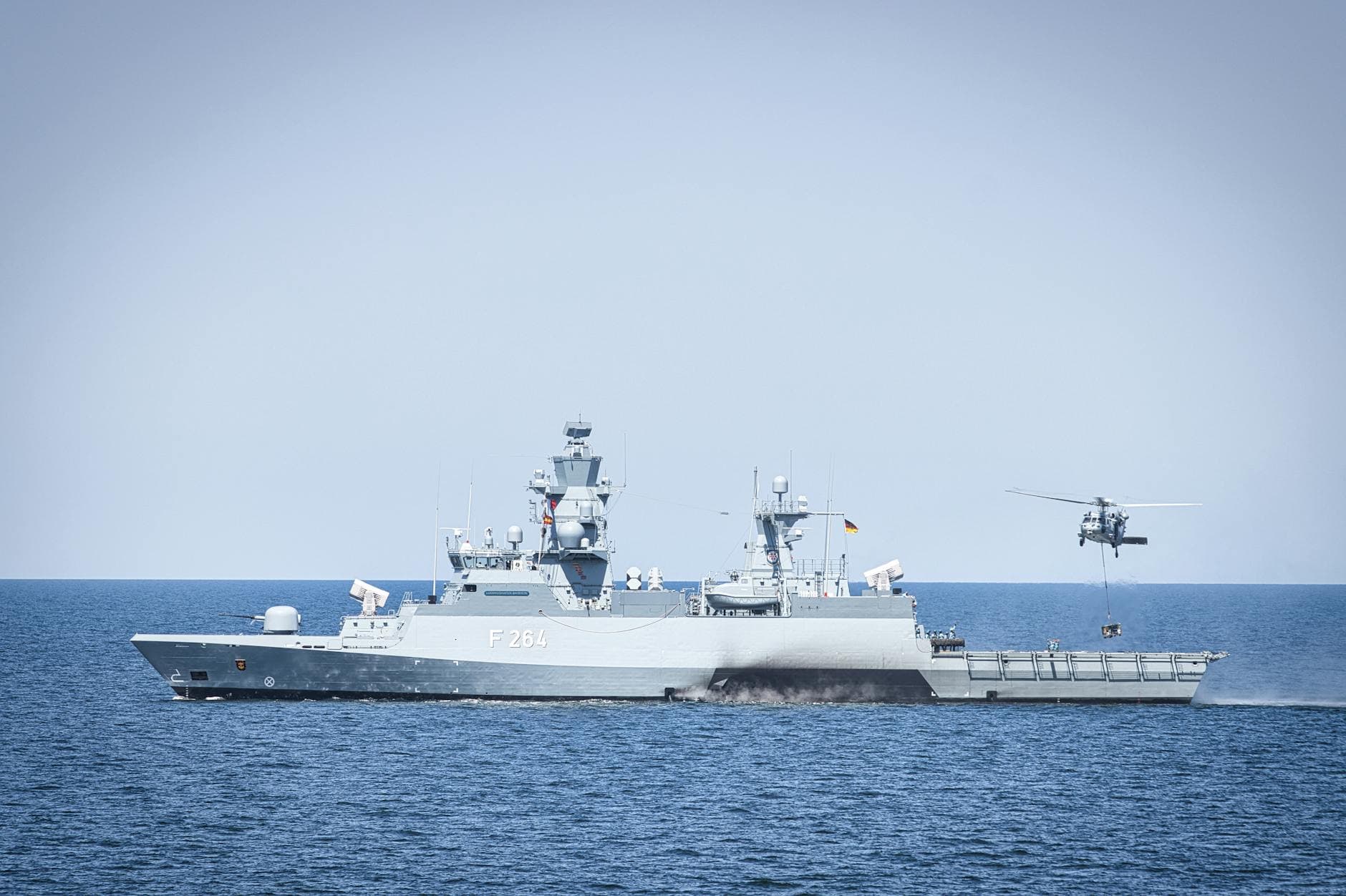
Hours after Donald Trump unveiled “Project Freedom” in the Strait of Hormuz, the truce between the United States and Iran was already under strain. Iran said it fired a “warning shot” at a U.S. Navy ship, a South Korean cargo ship came under apparent attack, and the United Arab Emirates told citizens to “immediately seek a safe place in the closest secure building” after saying it had been hit. U.S. forces answered by destroying at least six Iranian small boats, while U.S. Central Command said two U.S.-flagged vessels successfully made the transit.
The exchanges exposed how little margin for error remained in a confrontation that had already closed the world’s most important oil chokepoint. Trump said the mission was a humanitarian effort to guide commercial ships not directly involved in the war through the strait, where about one-fifth of global oil passed before fighting began. Senior administration officials described the effort more narrowly, saying it was closer to locating mines and passing along safer routes than escorting ships directly. Trump later said Iranian attacks had resumed and warned that if Iran tried to target U.S. ships, they would be “blown off the face of the Earth.”
The fresh attacks came against the backdrop of a wider war that began on February 28, 2026, when the United States and Israel launched large-scale strikes on Iran after weeks of military buildup and threats from Trump. Iran, Israel and the United States agreed to a two-week ceasefire on April 7, but the deal was immediately contested. On April 8 and 9, Iranian and Israeli officials disagreed over whether fighting in Lebanon was covered, and Israeli strikes across Lebanon killed at least 203 people and wounded 1,000, according to Lebanon’s health ministry. Hezbollah also fired retaliatory strikes into northern Israel.
The ceasefire has never addressed the core disputes that drove the conflict in the first place. Iran’s nuclear and missile programs remain unresolved, as do sanctions relief, the future of proxy forces, and guarantees that attacks on Iran will not resume. Iran’s ambassador to the United Nations said more than 1,500 civilians had been killed and as many as 3.2 million people displaced. Thirteen U.S. service members have also been killed, and the Strait of Hormuz’s effective closure has already triggered a global energy shock. For now, the first hours of Project Freedom showed how quickly deterrence, messaging and command control can break down when a ceasefire is announced before the fighting has truly stopped.
This article was produced by Prism’s automated news system from verified source data, official records, and press releases, then run through automated quality and moderation checks before publishing. The system is built and supervised by the people who set the standards it runs under. Read our full AI policy.
Did this article answer your question?