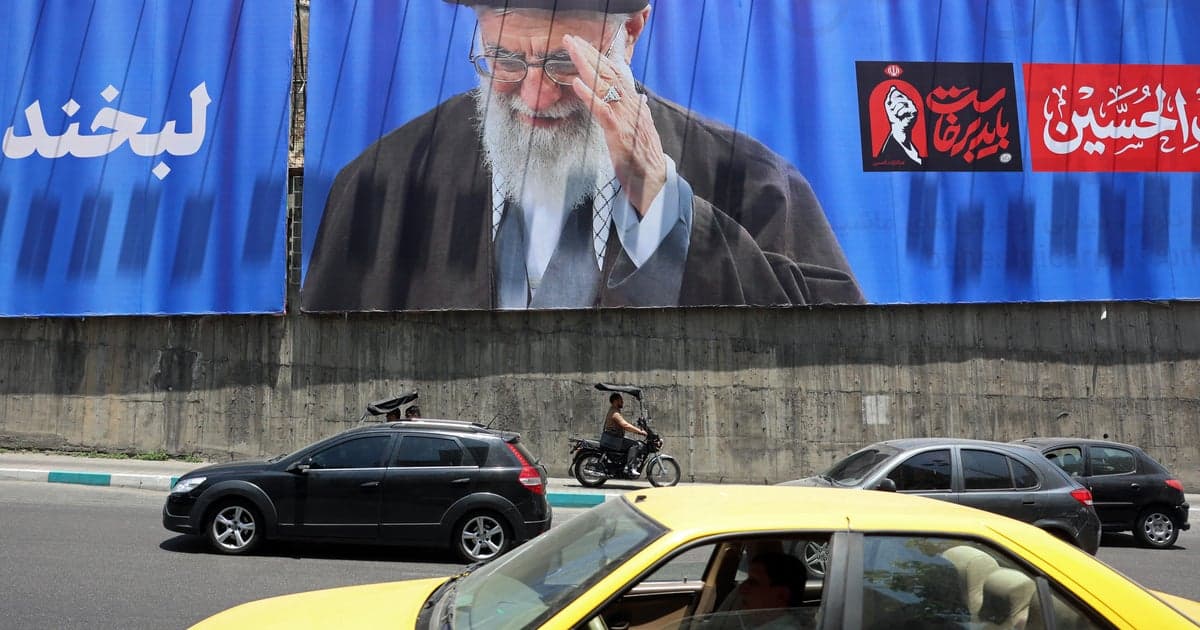
U.S. launches Project Freedom to reopen Strait of Hormuz shipping route
U.S. warships and aircraft moved into the Strait of Hormuz as two commercial vessels cleared the route, testing whether force can reopen a vital energy chokepoint.
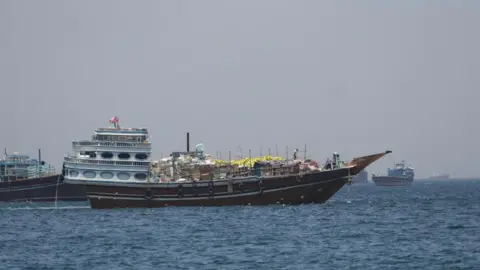
U.S. forces moved to break a maritime standoff in the Strait of Hormuz on May 4, sending guided-missile destroyers, more than 100 land- and sea-based aircraft, multi-domain unmanned platforms and 15,000 service members into a mission called Project Freedom. The first day brought a visible result: the U.S. military said two commercial vessels transited the waterway safely under the operation, even as Iranian forces continued to signal that any foreign military presence in the strait would be met with fire.
The stakes are enormous. The Strait of Hormuz carries about a quarter of the world’s oil trade at sea, along with major shipments of fuel and fertilizer products. When the channel narrows, the impact radiates far beyond the Gulf. Shipping insurance has already surged, and major carriers are expected to stay away until they believe the fighting has truly stopped.
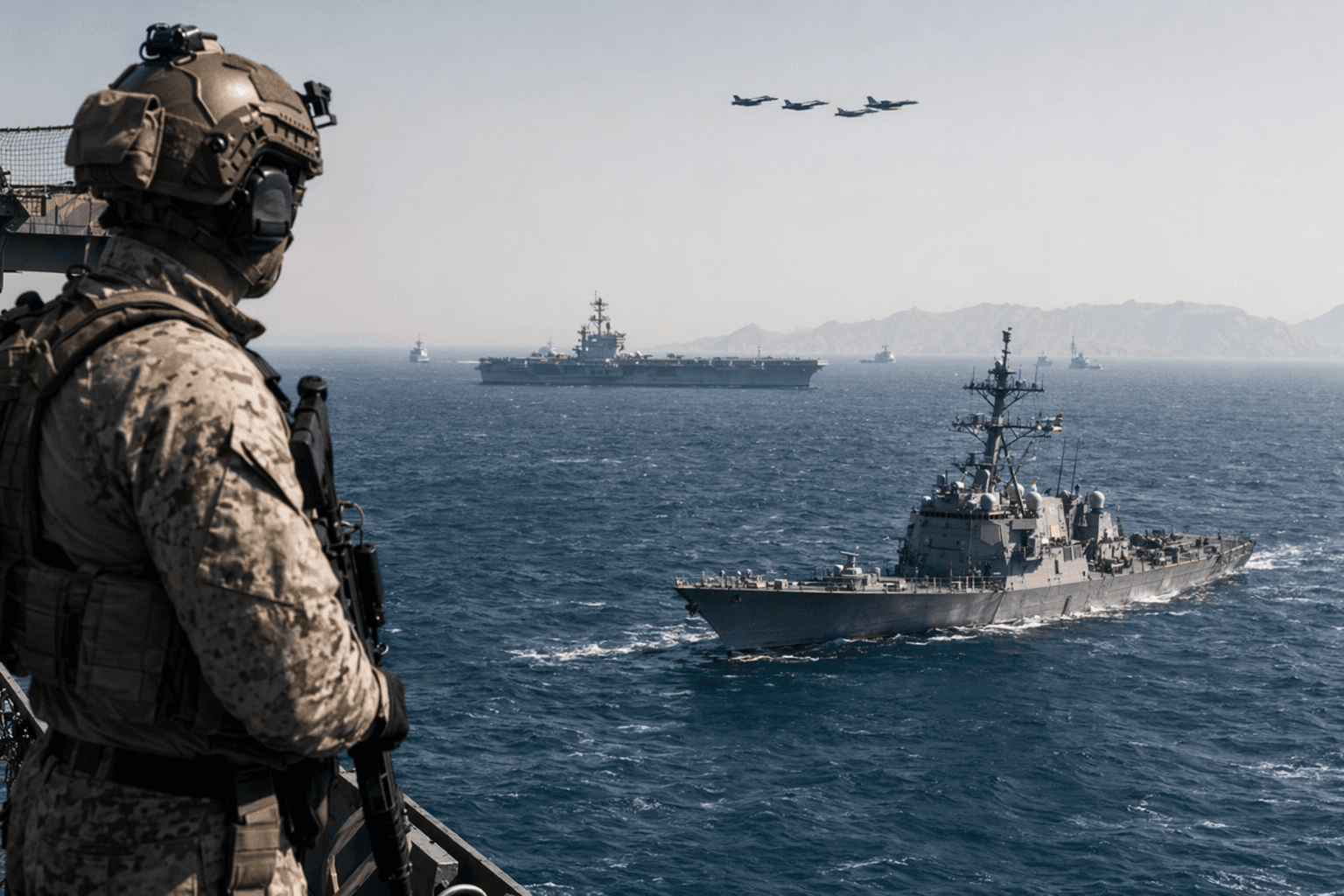
Project Freedom was launched after stranded tankers and cargo ships were unable to pass through the strait. President Donald Trump said on May 3 that the effort would begin the next day and cast it as a humanitarian move for crews running low on food and other supplies. The State Department is also working with the Pentagon on a Maritime Freedom Construct, a parallel effort to coordinate information sharing and diplomatic and economic action with international partners.
The military push comes against a rapidly escalating U.S.-Iran confrontation at sea. Reuters reported that the U.S. and Iran launched new attacks in the Gulf on May 4 as they fought for control of the strait, with dueling blockades shaking an already fragile truce. The same reporting said the waterway had been virtually closed since U.S. and Israeli attacks on Iran began in February 2026, a conflict that has killed thousands across the region.
Tehran has warned that the operation itself could widen the war. Iran’s military command said any foreign armed force, especially the U.S. military, that approached or entered Hormuz would be targeted and attacked. Iranian officials said the effort would be treated as a breach of the ceasefire. Iran’s foreign minister, Abbas Araqchi, said there was no military solution and wrote that “Project Freedom is Project Deadlock.”
The danger now is escalation in a narrow corridor where ships, missiles and patrol craft are operating close together and reaction time is limited. Reuters reported that U.S. forces destroyed six Iranian small boats on the first day of the operation, while CBS News said the U.S. destroyed seven Iranian small boats for trying to interfere. Reuters also reported that Iran fired on U.S. warships and that Trump told Congress the war was “terminated,” a claim some lawmakers disputed. Even if Project Freedom keeps a few ships moving, it may not persuade insurers and shipping lines to return in force unless the broader confrontation recedes.
This article was produced by Prism’s automated news system from verified source data, official records, and press releases, then run through automated quality and moderation checks before publishing. The system is built and supervised by the people who set the standards it runs under. Read our full AI policy.
Did this article answer your question?