Sweden moves ahead with new foreign intelligence agency after Ukraine criticism
Sweden is overhauling intelligence after criticism it missed Russia’s war buildup, with a new civilian agency set to tighten warning and analysis before 2027.
Sweden moved ahead with plans for a new civilian foreign intelligence agency, an overhaul meant to answer criticism that the country did not anticipate Russia’s full-scale invasion of Ukraine. The government has cast the change as more than an administrative reshuffle: it is trying to rebuild intelligence capacity for a far harsher European security environment.
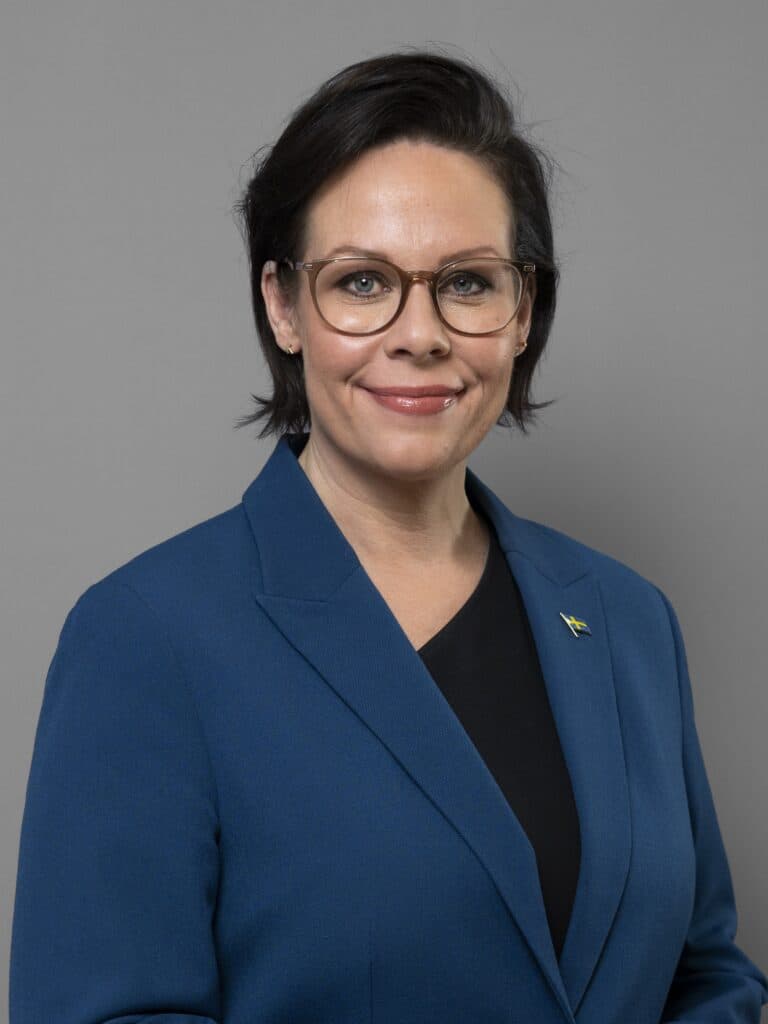
Foreign Minister Maria Malmer Stenergard said Sweden faced a serious security situation and a broad, complex threat picture every day, while also facing new expectations as a NATO ally. That framing points to the core political logic behind the reform. Swedish officials are not only reacting to a perceived intelligence failure before the 2022 Russian buildup, but also trying to align the country’s intelligence structure with threats that now span military pressure, cyber operations, sabotage and political interference.
The push began with a broader intelligence review launched on October 26, 2023, after the government said the system had not undergone an overall review in more than 20 years. Former prime minister and foreign minister Carl Bildt was appointed special investigator. His final report, SOU 2025:78, En reformerad underrättelseverksamhet, concluded that Sweden needed a new civilian foreign intelligence agency reporting directly to the government, alongside a redefined military intelligence service within the Swedish Armed Forces.
The government later moved to implement that blueprint. On October 27, 2025, it said Annika Brändström had been appointed to prepare and carry out the creation of the new agency, with January 1, 2027 set as the target date for operations. The new service’s main task will be to meet the government’s and Government Offices’ intelligence needs regarding foreign conditions, working closely with the Swedish Armed Forces, the Swedish Defence Radio Establishment, known as FRA, the Swedish Security Service, Säpo, and other total defense authorities.
The reform reflects a wider hardening of Swedish security policy since NATO accession. Säpo has said in its annual assessments that the international security situation remains serious, that overlapping threats make the picture complex, and that Russia’s risk-taking has increased, with sabotage threats that can extend to Sweden. FRA said in its 2024 annual report that demand for intelligence and cyber security increased, while Sweden also published a foreign and security policy strategy on cyber and digital issues in December 2024.
For Sweden, the agency is meant to close the gap between intelligence gathering and political decision-making. For Europe, it is another sign that governments are building tougher security institutions after Ukraine exposed how costly blind spots can be.
This article was produced by Prism’s automated news system from verified source data, official records, and press releases, then run through automated quality and moderation checks before publishing. The system is built and supervised by the people who set the standards it runs under. Read our full AI policy.
Did this article answer your question?


