New Heat Illness Rules Raise Taco Bell Kitchen Employer Obligations in California
Cal/OSHA's new Indoor Heat Illness Prevention standard expands employer obligations in California kitchens, forcing Taco Bell operators to reassess indoor-heat controls and worker protections.
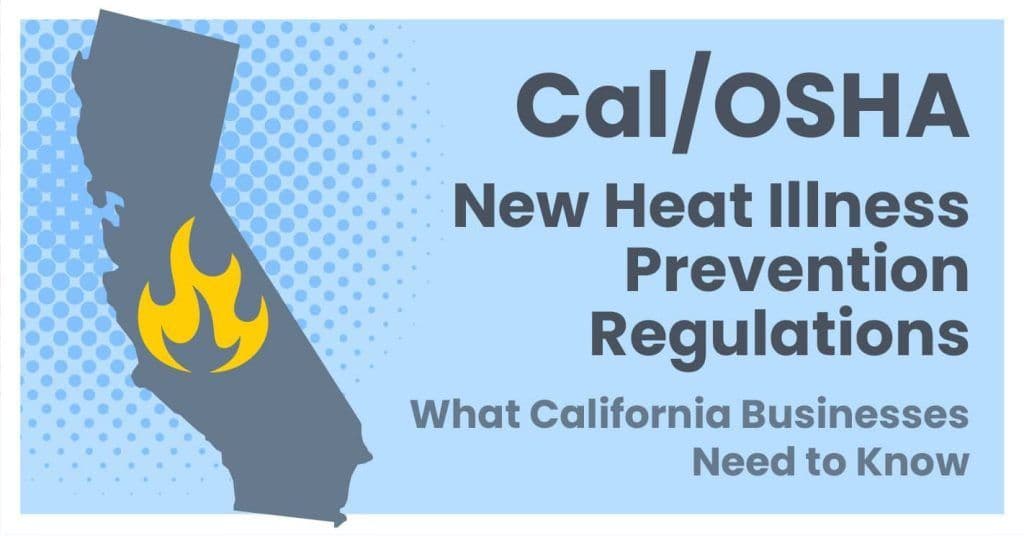
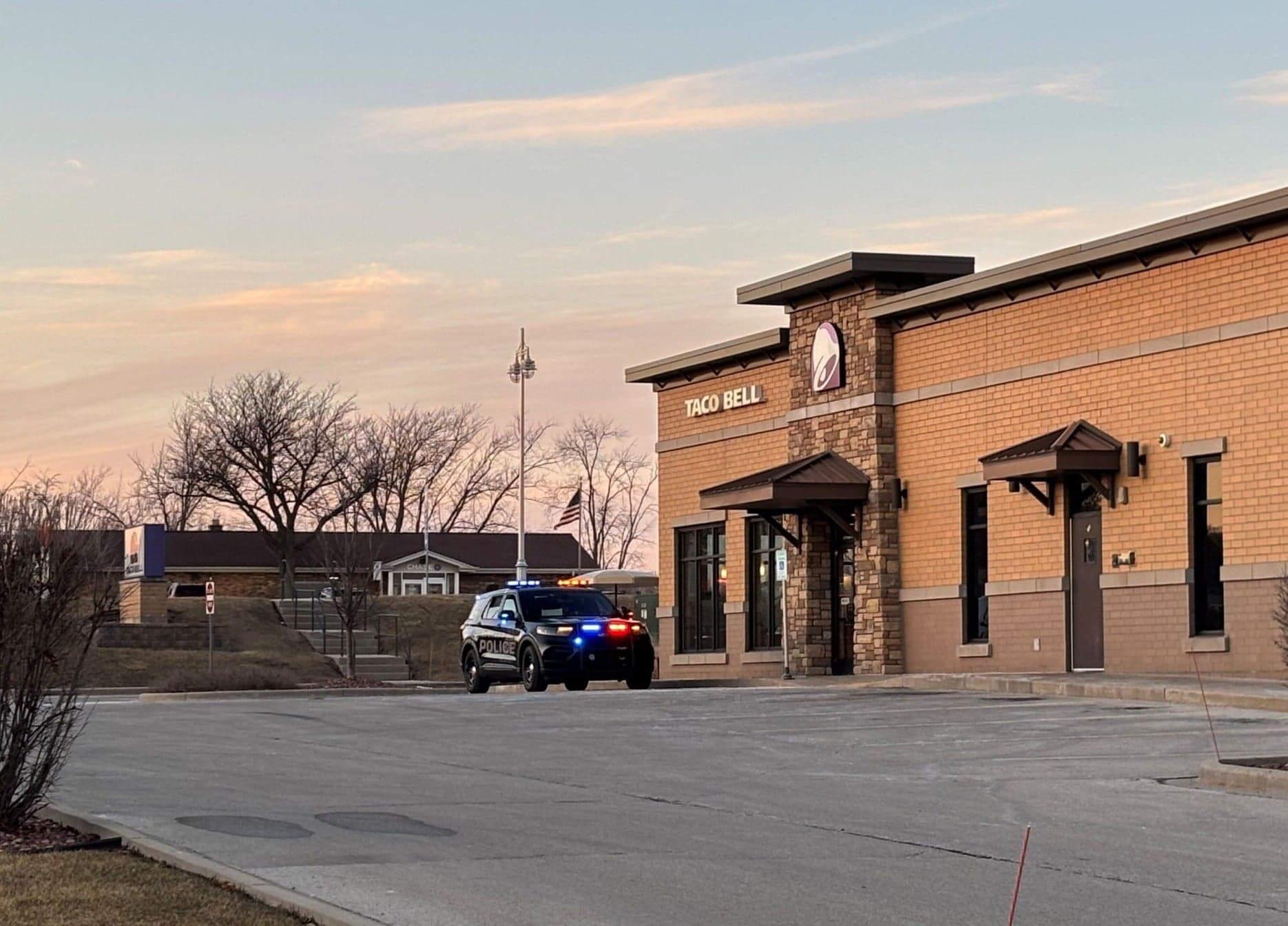
Cal/OSHA has adopted an Indoor Heat Illness Prevention standard that explicitly covers foodservice kitchens where high ambient temperatures are common, a move that raises employer obligations for Taco Bell locations across California. The new standard arrives amid a broader set of state and federal safety initiatives over recent years aimed at workplace heat and indoor environmental conditions, and it shifts compliance focus from outdoor fields and warehouses into restaurant back-of-house spaces.
Several state and federal safety initiatives over recent years have already increased scrutiny of workplace heat and indoor air quality, and Cal/OSHA’s adoption signals regulators are now focusing on commercial kitchens. For Taco Bell this means the company and its franchise operators in California will have to treat heat risk in kitchen spaces as a regulatory priority rather than solely an operational concern tied to equipment and scheduling.
For managers and kitchen supervisors at Taco Bell restaurants, the practical consequence is a higher bar for employer obligations around indoor environmental conditions and heat illness prevention. The standard’s reach into foodservice kitchens covers the kinds of high-heat, high-ambience work zones common in Taco Bell back-of-house operations, from peak dinner service to equipment-dense prep lines. That orientation matters for both company-owned units and franchisees operating in California, who share responsibility for workplace safety under state rules.
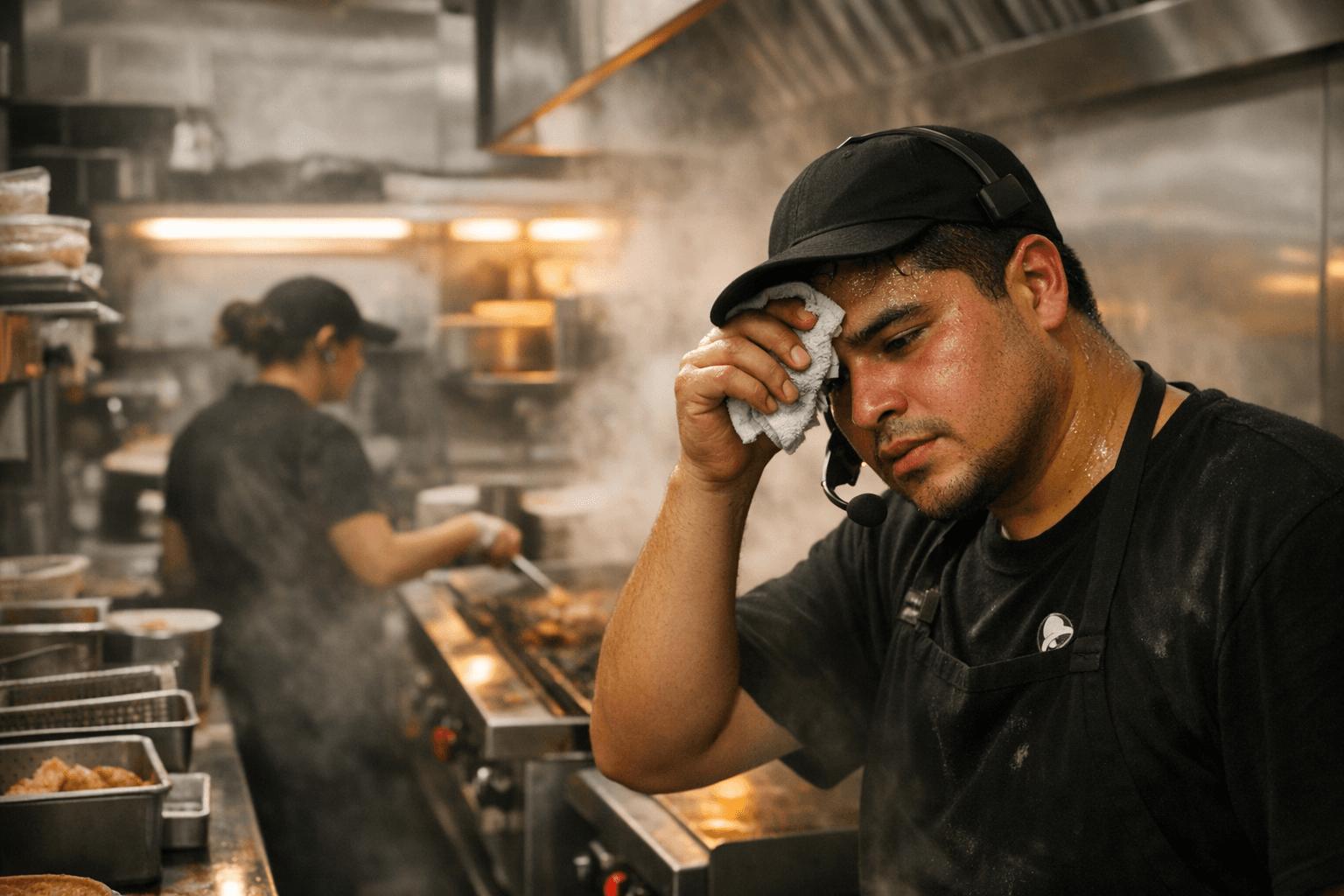
Cal/OSHA’s move follows a trend of regulators layering requirements at multiple levels of government, creating compliance complexity for chains like Taco Bell that operate thousands of units with varied HVAC systems and kitchen footprints. Taco Bell operators in California will need to reconcile the new standard with existing maintenance schedules, staffing plans, and indoor-environment practices that currently differ across markets and building types.
As of March 3, 2026, the practical next steps for Taco Bell leadership and restaurant-level managers will include closely tracking Cal/OSHA guidance, auditing kitchen environments where high ambient temperatures occur, and documenting any changes to employer controls and worker protections that address indoor heat. The adoption of the Indoor Heat Illness Prevention standard compels a shift from ad hoc responses to documented employer obligations for kitchens, and it raises the likelihood that regulators will expect demonstrable steps in California Taco Bell locations to prevent heat illness in indoor workspaces.
Know something we missed? Have a correction or additional information?
Submit a Tip