New Jersey mother with lupus survives high-risk pregnancy, seeks kidney transplant
Fatimah Shepherd carried her son through a pregnancy that pushed her kidneys toward failure. Now the East Orange mother is on dialysis while waiting for a transplant.
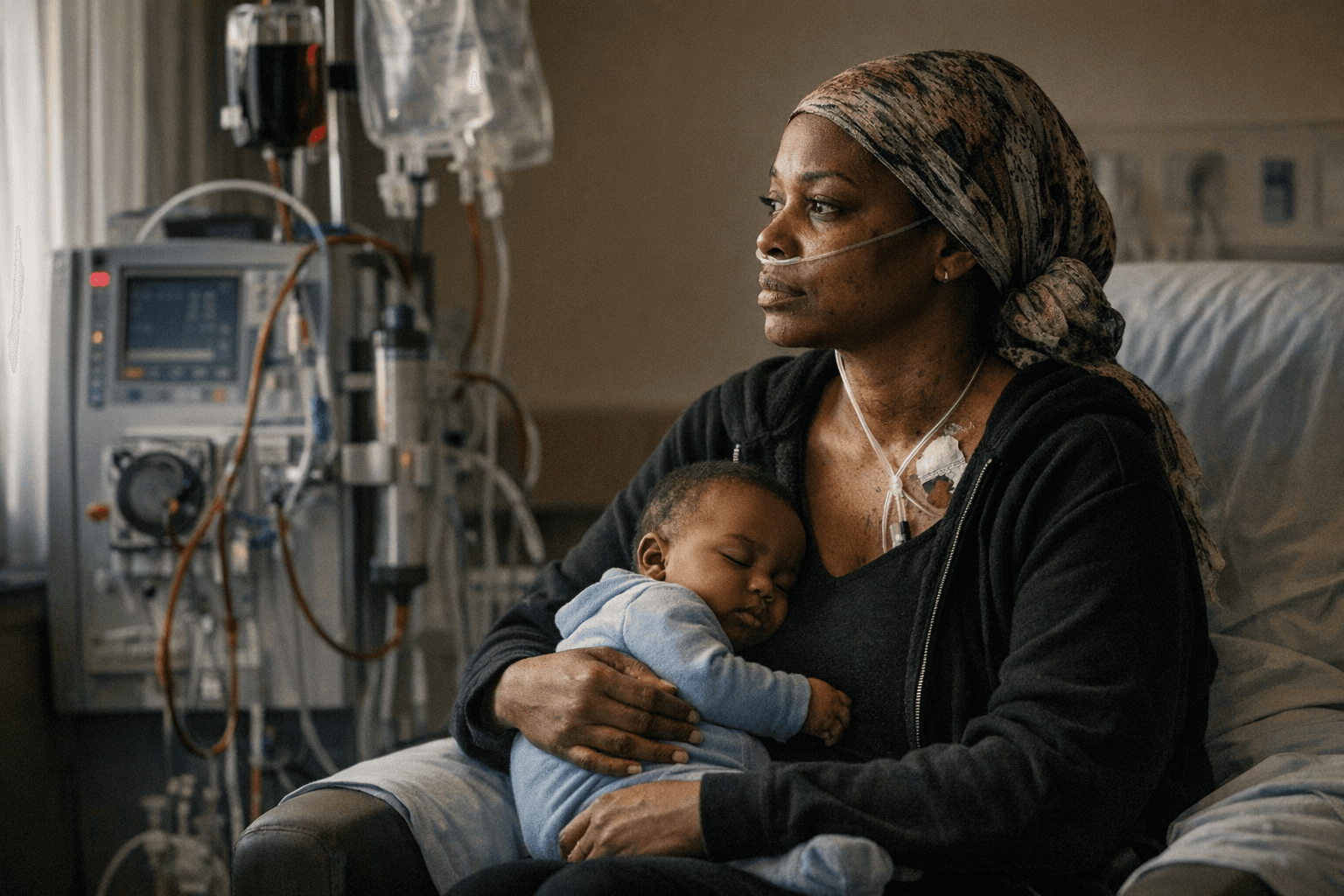
Fatimah Shepherd’s pregnancy became a race against kidney failure before she reached the second trimester. The East Orange, New Jersey, mother, who has lupus and kidney failure, had already endured two miscarriages when she became pregnant with her son, Oakari. By 14 weeks, her kidneys had become compromised and she needed dialysis six times a week.
What followed was nearly five months in the hospital, a stark reminder that pregnancy with lupus is not simply a personal milestone but a high-stakes medical decision. Shepherd delivered Oakari by emergency C-section at 35 weeks. He is now 18 months old, and Shepherd continues to receive dialysis three times a week while seeking a kidney transplant.
Her case underscores the danger that lupus poses during pregnancy, especially when kidney disease is already part of the picture. The American College of Rheumatology says women should not consider pregnancy until their rheumatic disease is well-managed, and it advises that lupus-related kidney disease raises the risk of severe hypertension and preeclampsia. Experts generally recommend disease control for at least three to six months before conception, because active disease can jeopardize both mother and baby.
The medical literature shows why that caution matters. In a pooled cohort of 393 women with systemic lupus erythematosus in the United States and Canada, 144 women, or 37 percent, had a history of lupus nephritis. That history was linked to higher odds of fetal loss and preeclampsia, while active nephritis was tied to even worse pregnancy outcomes and fetal loss. For women already on maintenance dialysis, pregnancy is considered high risk and should be managed by a multidisciplinary team.
Shepherd’s story shows both what is possible and how uncommon it remains. Pregnancy in women with lupus is no longer viewed as universally off-limits, but success depends on careful timing, medication management and access to specialists who can monitor blood pressure, kidney function and fetal growth from the start. For patients with chronic illness, the gap between a safe pregnancy and a medical crisis can be measured in weeks, and in Shepherd’s case, it was measured in days.
This article was produced by Prism’s automated news system from verified source data, official records, and press releases, then run through automated quality and moderation checks before publishing. The system is built and supervised by the people who set the standards it runs under. Read our full AI policy.
Did this article answer your question?