New mountain biking nonprofit mobilizes to restore Anahola trails
A new nonprofit, MTB Kauaʻi, will host the Anahola Epic 2026 on Feb. 7 to fund trail restoration and support local stewardship. This matters for trail access, recreation, and land care.
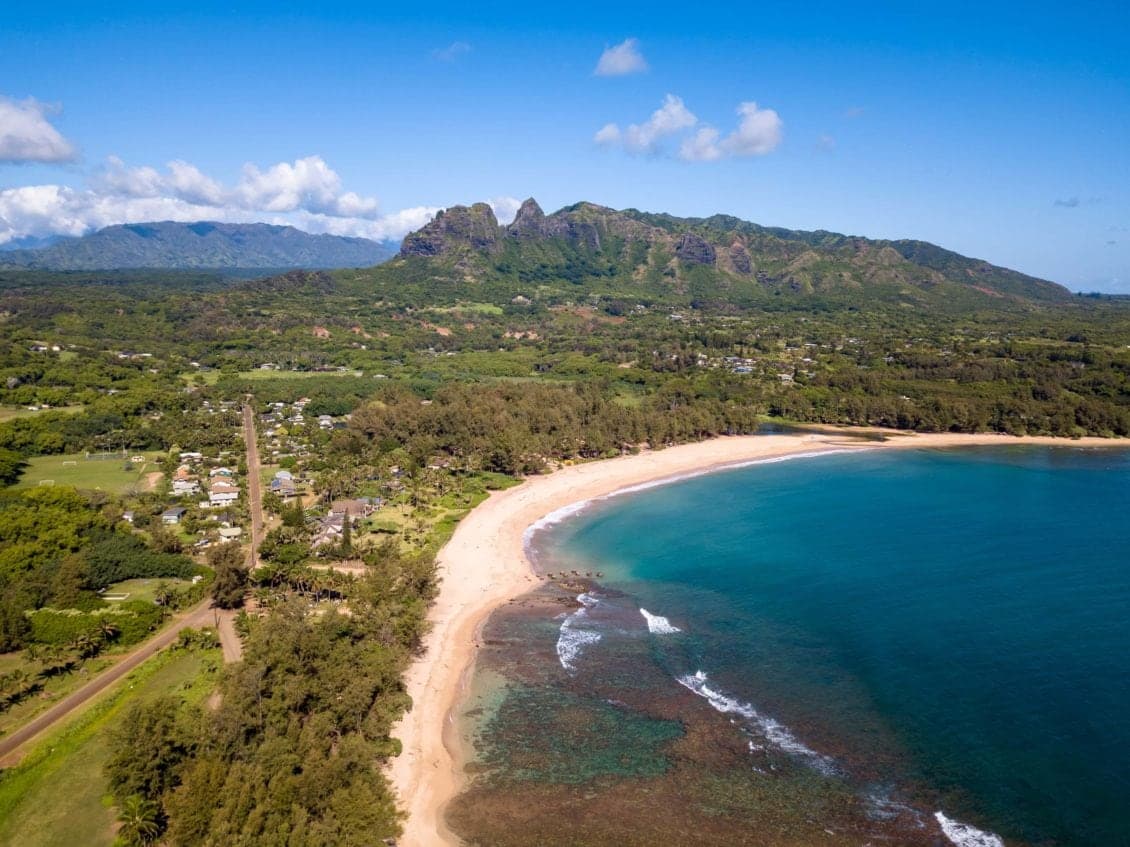
Mountain Biking Kauaʻi (MTB Kauaʻi), a newly formed nonprofit, is stepping into trail stewardship on the island with a flagship fundraising ride set for Saturday, Feb. 7 at Anahola Beach Park. Check-in opens at 7 a.m. with an 8 a.m. start. Organizers say the Anahola Epic 2026 will raise money and attention for restoration and ongoing management of the Anahola trail network.
The event offers multiple course options to match skill levels: an 8-mile short course with roughly 650 feet of elevation gain, a 15-mile long course with about 1,200 feet of gain, and a keiki course. Riders will compete in separate divisions for analog bikes and Class 1 e-bikes; the keiki course excludes e-bikes. Registration pricing was listed with a member discount at the time of this article, with plans to cap entries, provide lunch and shirts for early registrants, and donate proceeds to ʻĀina Alliance to support land stewardship.
MTB Kauaʻi is working with local partners, including ʻĀina Alliance and the Department of Hawaiian Home Lands, to reclaim, restore and manage trail access. The group has already staged volunteer trail work and community cleanups aimed at reopening and maintaining routes that had lapsed into disuse. That combination of organized events and hands-on volunteerism frames the nonprofit as both a fundraising vehicle and a boots-on-the-ground steward.
The partnership with ʻĀina Alliance and DHHL places recreational trail work at the intersection of community stewardship and formal land administration. Long-term access and maintenance of trails on and near Hawaiian Home Lands will depend on clear agreements and shared responsibilities between volunteer groups, stewardship nonprofits and government land managers. For residents who ride, hike, or rely on trails for access and cultural practices, that governance layer will determine whether improvements persist or degrade once volunteer energy wanes.

There are broader policy implications as well. Locally driven stewardship initiatives can reduce pressure on county resources but also raise questions about liability, permitting and equitable access. Donating event proceeds to an established stewardship organization channels funds to on-the-ground work, yet sustained care typically requires formalized maintenance plans and recurring funding — considerations county leaders and state land agencies will weigh as more user groups pursue similar projects.
The Anahola Epic will be a practical test of MTB Kauaʻi’s model: mobilize riders, fund restoration, and demonstrate that volunteer-driven trail management can partner with institutional landholders. For community members, the event is a chance to support trail care directly, participate as volunteers, or engage with discussions about how trails are governed and funded.
Our two cents? If you ride or use the Anahola network, consider registering early or volunteering — support now helps keep trails open and builds leverage for longer-term stewardship agreements that preserve access for everyone.
Sources:
Know something we missed? Have a correction or additional information?
Submit a Tip