New North Dakota Farm Bureau President Prioritizes Easement Reform
Val Wagner of Monango was elected president of the North Dakota Farm Bureau at the organization's annual meeting on Jan. 10, 2026, and she says easement reform and protecting private property rights will be central to her term. Her election signals a policy push that could affect land transactions, property taxes, and long-term planning for Stutsman County landowners.
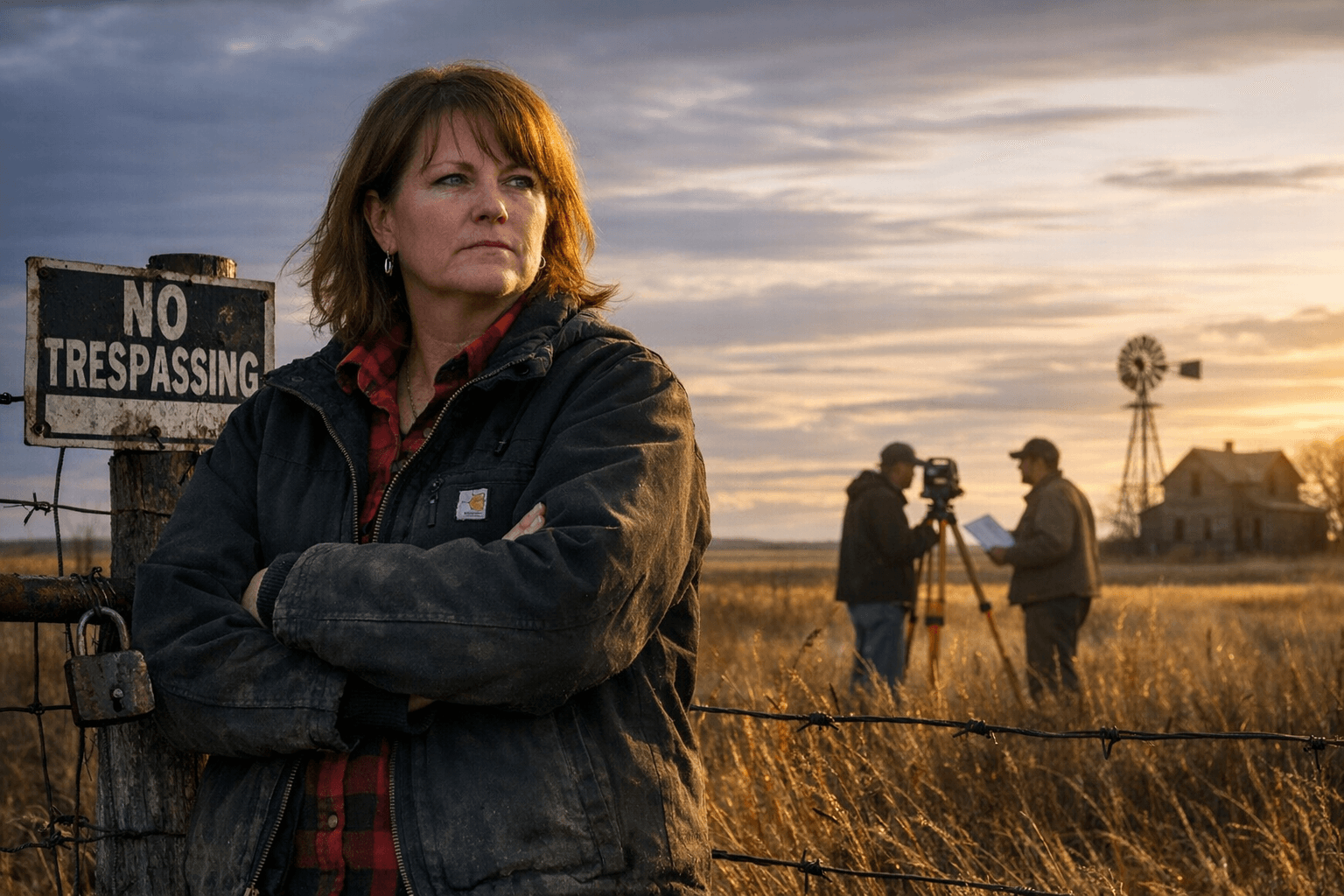
Val Wagner, a Monango farmer-rancher, assumed the presidency of the North Dakota Farm Bureau at the group's annual meeting on Jan. 10, 2026, and immediately identified easement reform and private property rights as top priorities for her term. Wagner brings experience operating farm and ranch enterprises and a history of involvement with the Farm Bureau; organization leaders praised her practical background and leadership credentials as fitting for the policy challenges ahead.
Wagner framed perpetual easements as a central concern, saying such arrangements can limit options for future landowners. Perpetual easements are legal instruments that grant ongoing rights over a parcel of land; critics argue they can restrict a landowner's ability to alter use, sell property unencumbered, or respond to changing economic conditions. By placing this issue at the center of the Farm Bureau agenda, Wagner is signaling an intent to press for clearer rules or legislative changes that would affect how easements are created, recorded, and enforced in North Dakota.
Property taxes and broader property-rights issues are also on Wagner's list. For county taxpayers and landholders in Stutsman County, potential changes could influence land values, the ease of transferring property, and local tax assessments. If perpetual easement practices are tightened or reformed, lenders, buyers, and appraisers may reassess the marketability and valuation of encumbered parcels, altering transaction costs and liquidity in local land markets. Likewise, any push to adjust property-tax treatment tied to easements or use restrictions would have direct fiscal implications for individual landowners and the county tax base.
Wagner's election comes as many rural communities weigh the trade-offs between preserving agricultural land, accommodating infrastructure and conservation easements, and maintaining private control over property. For Stutsman County residents who own land or depend on farm-related services, the Farm Bureau's policy agenda will be a practical lever: it can influence state legislative priorities, county practices for recording and assessing easements, and conversations among landowners about legal protections.
Over the coming months, stakeholders should expect the Farm Bureau under Wagner to engage with lawmakers and county officials on easement language, tax treatment, and property-rights protections. Those developments will determine how quickly any changes reach local land transactions and tax rolls, and they will shape the choices available to Stutsman County families managing farms and ranches for future generations.
Sources:
Know something we missed? Have a correction or additional information?
Submit a Tip