New Orleans launches lead cleanup push after playground contamination report
New Orleans moved to act after tests found unsafe lead in more than half of 84 playgrounds, including one park where a sample hit 403 parts per million.
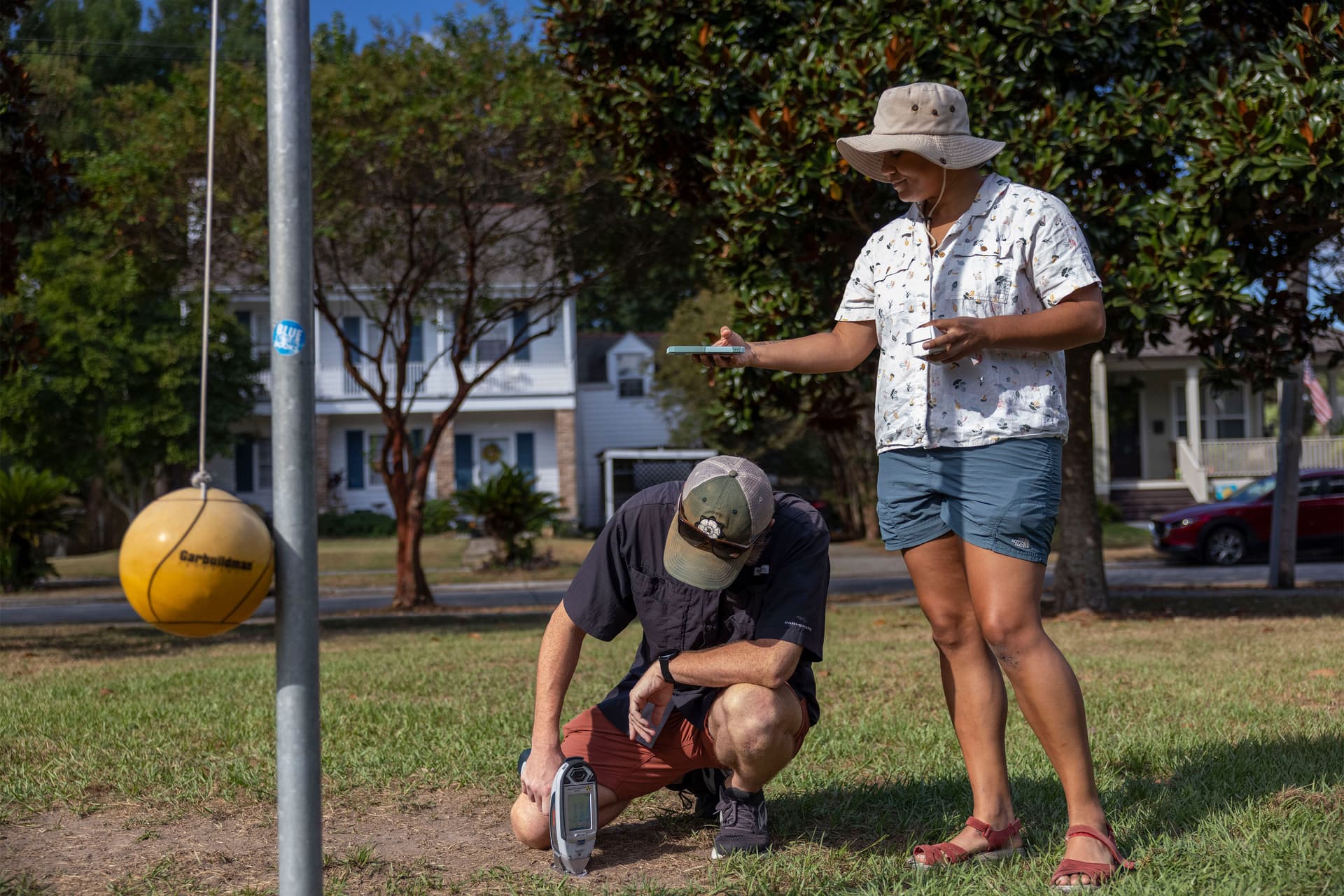
Lead contamination where children play has forced New Orleans into a belated cleanup push, after tests found unsafe levels at more than half of the city playgrounds sampled. Mayor Helena Moreno signed Executive Order 26-16 on April 7, creating a task force to overhaul the New Orleans Recreation Development Commission and examine what it would take to assess and fix environmental hazards, including lead in soil.
The city is now seeking $5 million in federal money for additional testing and possible cleanup in the next fiscal year. The task force is charged with reviewing NORDC governance, partnerships, possible labor consolidation, community engagement, funding and philanthropy, and recommendations for safe parks, including lead remediation. Deputy Mayor of Health and Human Services Jennifer Avegno said at an April 1 panel that city officials were looking for “whatever pots of money” they could find to make a more sustained and meaningful impact than in the past.
The pressure intensified after Verite News and KFF Health News reported in February that they had tested hundreds of soil samples from 84 city parks with playgrounds and found unsafe lead levels at just over half of them. The city appears to have done no major remediation or lead testing of parks since 2011, raising questions about how long officials knew of the danger and why children kept playing on contaminated ground for years.
One of the starkest examples is Mickey Markey Playground in the Bywater neighborhood. Sarah Hess said she began taking her toddler, Josie, there in 2010 because she thought it was a safe refuge after Josie had been diagnosed with lead poisoning. Josie’s blood lead level later rose to nearly five times the national health standard, and a soil test at Markey in late 2010 found dangerously high lead levels. Yet city officials took no meaningful action to warn families or make the park safe. Today, residents are trying to raise $8,000 for more extensive testing at the playground after report samples exceeded the federal hazard level of 200 parts per million and one reading reached 403 parts per million.
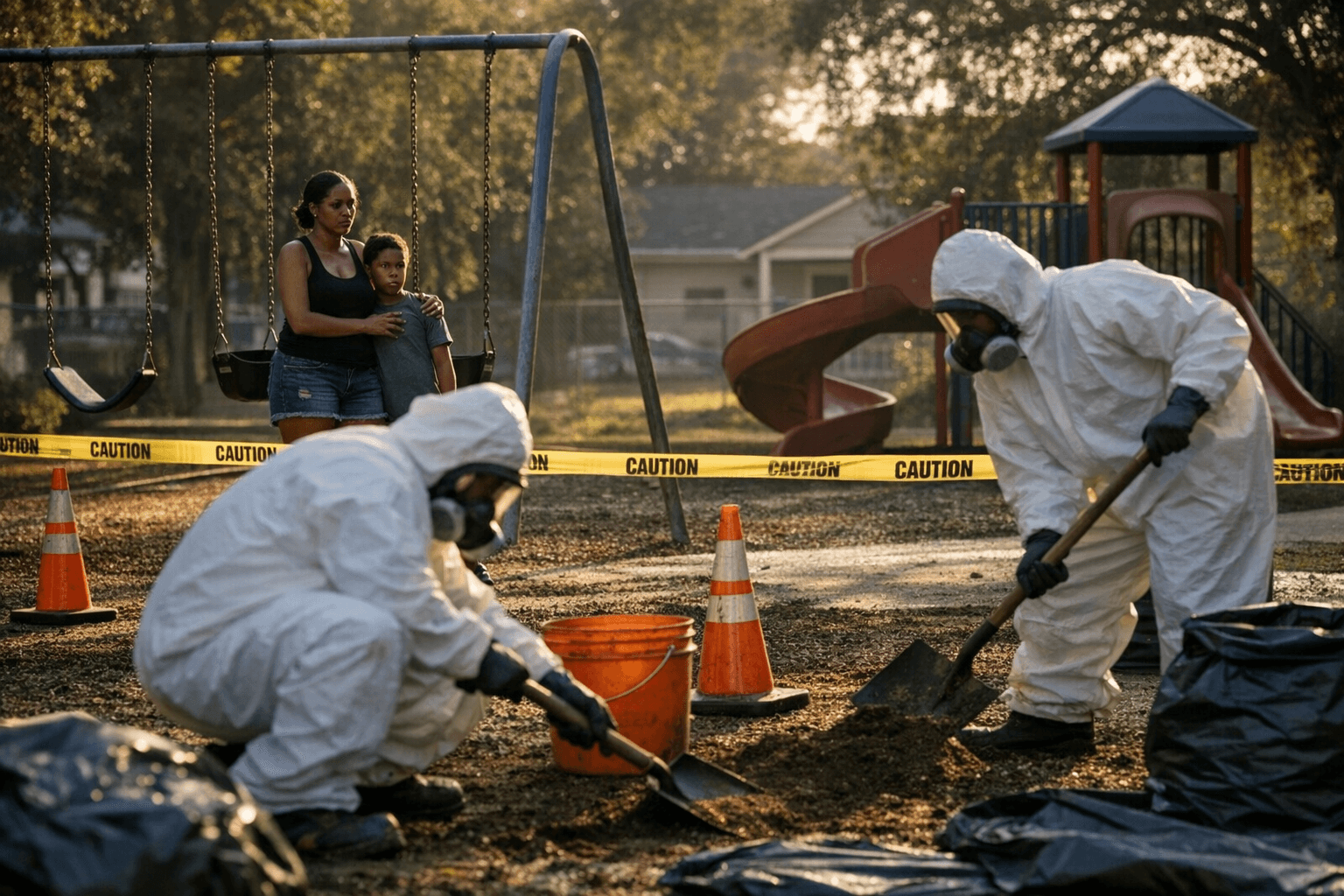
The findings also revived scrutiny of the city’s earlier cleanup effort. Howard Mielke, a retired Tulane University toxicologist and one of the nation’s leading lead experts, called it a failed program, while Louisiana State University lead researcher Adrienne Katner verified the reporters’ results. The federal government updated its soil guidance in January 2024, setting a 200 parts per million regional screening level for residential soil and a 600 parts per million removal management level, but the Centers for Disease Control and Prevention says no safe level of lead in children’s blood has been identified.
With a budget crisis limiting what New Orleans can do alone, parents and neighborhood groups have already been calling city offices and elected leaders for answers. The new task force and funding request signal an attempt to turn the investigation into a citywide cleanup plan, not another park-by-park patch job.
This article was produced by Prism’s automated news system from verified source data, official records, and press releases, then run through automated quality and moderation checks before publishing. The system is built and supervised by the people who set the standards it runs under. Read our full AI policy.
Did this article answer your question?