States pull back Medicaid coverage for GLP-1 weight-loss drugs
California and other states are tightening Medicaid coverage for GLP-1s just as demand rises. The result is a sharper divide between patients who can pay and those who cannot.
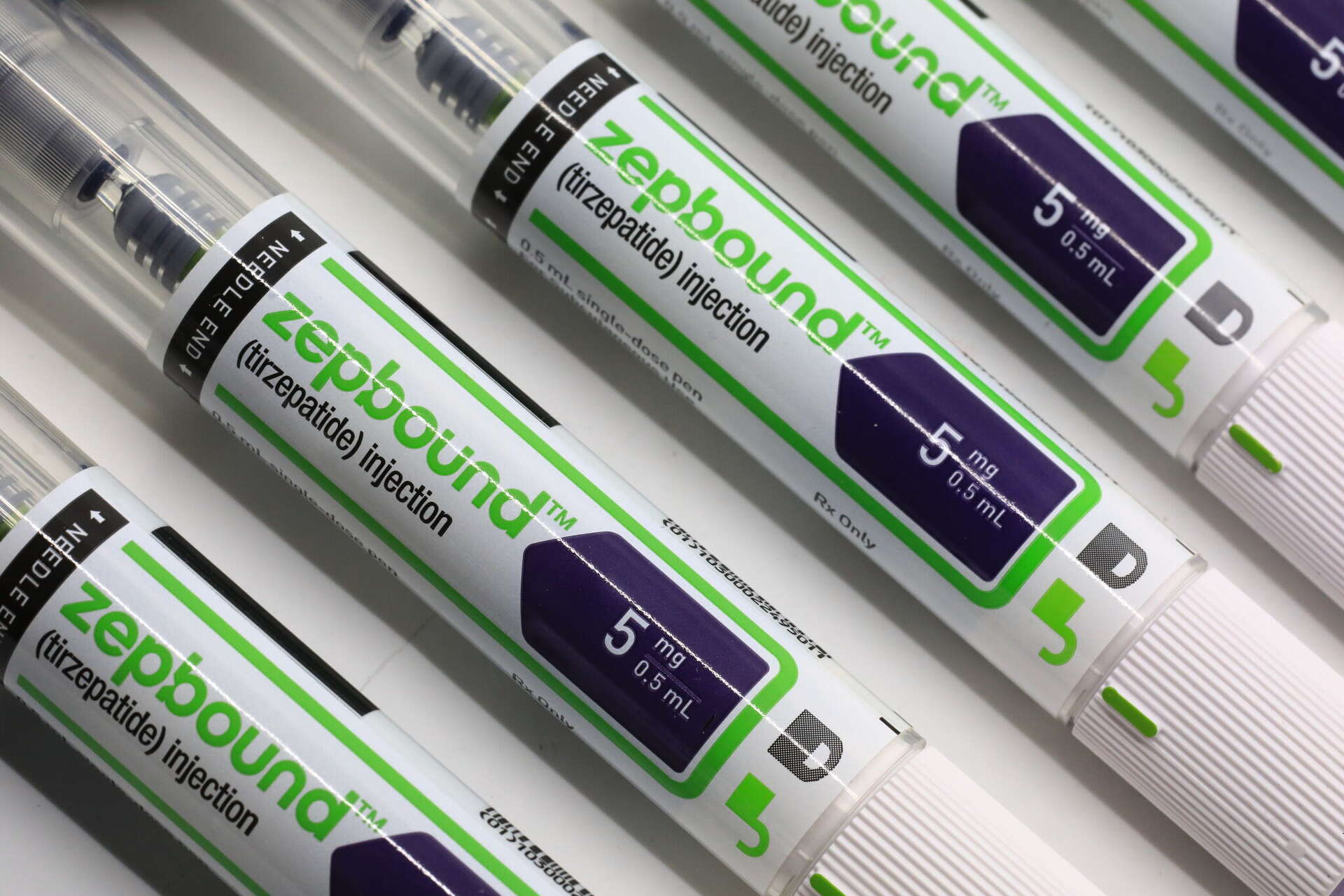
California’s Medi-Cal started shutting down coverage for GLP-1 weight-loss drugs for adults, denying claims with dates of service on or after January 1, 2026, and letting previously approved prior authorizations expire on December 31, 2025. The move put one of the country’s biggest Medicaid programs on the front line of a broader retreat, as states that once expanded access began reassessing whether they can afford the new class of obesity drugs.
The federal Medicaid program generally must cover nearly all FDA-approved drugs, but KFF says weight-loss medicines sit inside a long-standing statutory exception that lets states decide whether to pay for them. That built-in discretion has produced a patchwork. KFF reported that 16 state Medicaid programs covered GLP-1s for obesity treatment as of October 1, 2025, up from 13 the year before, even before the latest round of cuts began to erase some of those gains.

The budget math is driving the reversal. Milliman reported that since August 2024, California, New Hampshire, Pennsylvania and South Carolina withdrew GLP-1 obesity coverage entirely, while Michigan and Virginia narrowed eligibility and Missouri, Tennessee and Utah added coverage. California says more than 1 in 4 adults in the state are obese, and it also has the highest total obesity-related medical costs in the United States. That leaves officials arguing that a treatment breakthrough can also be a budget threat when it reaches a public program serving millions of low-income enrollees.
Pennsylvania’s numbers show why governors and Medicaid directors are looking hard at the line item. Spending on GLP-1s such as Ozempic, Wegovy and Zepbound was estimated at $1.3 billion last year, up from $233 million in 2022, before Pennsylvania started covering the drugs for obesity. That kind of growth has turned coverage into a test of whether states can absorb the short-term pharmacy bill while hoping for longer-term savings from fewer complications of untreated obesity.
Physicians and patient advocates warn that cutting off access can backfire. A UCSF obesity specialist said the change would be “quite negative” because people typically regain weight after stopping the drugs. That warning points to the central tension now shaping Medicaid policy: GLP-1s have moved into the mainstream of obesity treatment, but low-income patients are the first to lose access when states decide the price is too high.
The Centers for Medicare & Medicaid Services tried to steer the system in another direction in December 2025, launching a voluntary model aimed at helping state Medicaid agencies and Medicare Part D plans cover GLP-1 medications for weight management and metabolic health improvement while controlling costs. For now, though, the country is settling into two tracks, one where the drugs are becoming routine and another where the public programs serving poorer patients are pulling back first.
This article was produced by Prism’s automated news system from verified source data, official records, and press releases, then run through automated quality and moderation checks before publishing. The system is built and supervised by the people who set the standards it runs under. Read our full AI policy.
Did this article answer your question?