New pancreatic cancer pill nearly doubles survival in trial
A once-daily pancreatic cancer pill cut median survival to 13.2 months from 6.7 in a phase 3 trial, but only in previously treated metastatic patients.
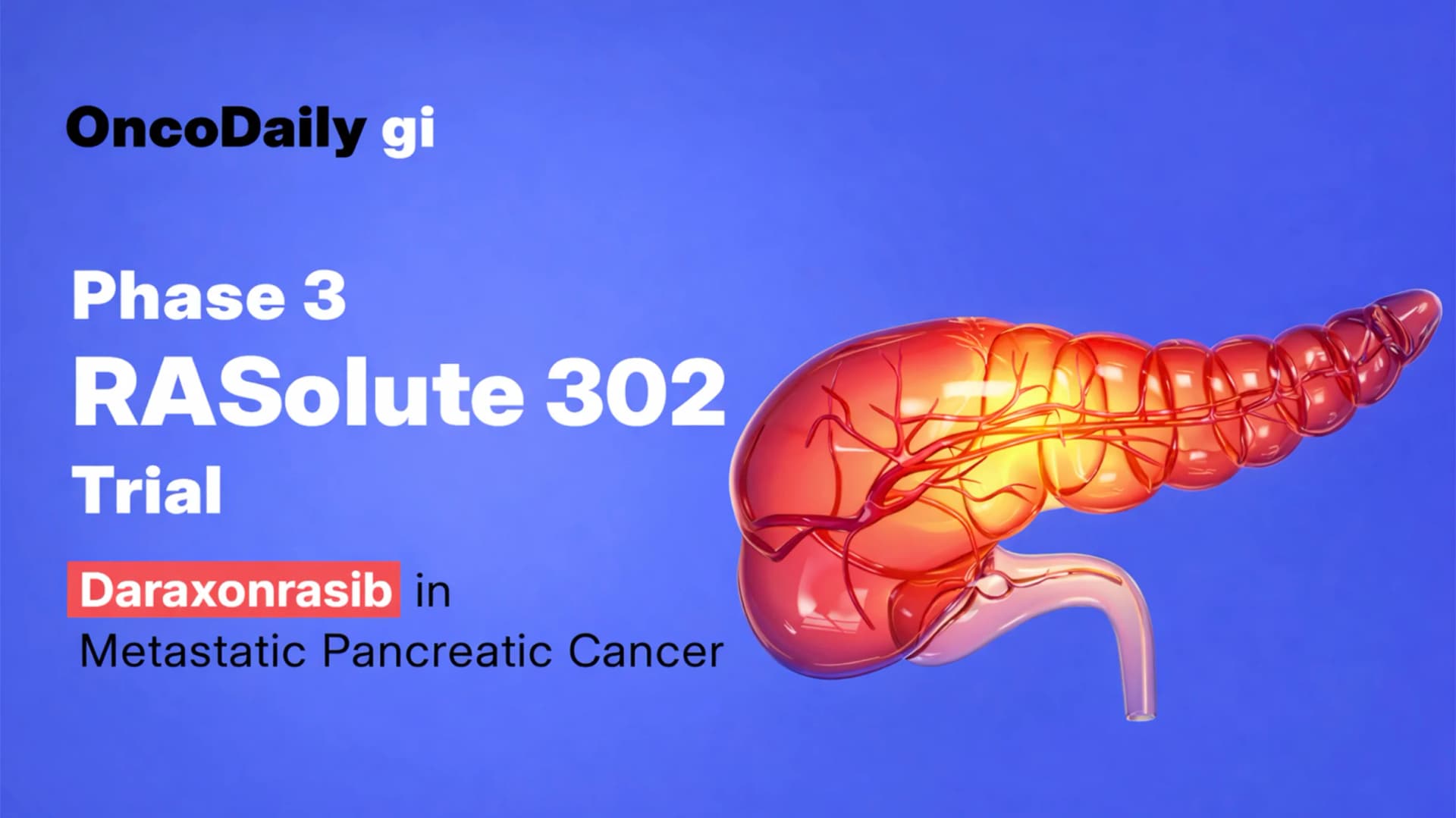
A new oral pancreatic cancer drug nearly doubled survival in a late-stage trial, offering a rare bright spot in a disease that still kills far too many Americans. The pill, daraxonrasib, helped patients with previously treated metastatic pancreatic ductal adenocarcinoma live a median 13.2 months, compared with 6.7 months for standard intravenous chemotherapy.
Revolution Medicines said its Phase 3 RASolute 302 study met both its primary and key secondary endpoints, including progression-free survival and overall survival. The overall survival hazard ratio was 0.40, with p less than 0.0001, a result that suggests a substantial reduction in the risk of death during the study period. The company said the treatment was generally well tolerated and plans to submit the data to the U.S. Food and Drug Administration and other regulators as part of a future New Drug Application.

That matters because pancreatic cancer remains one of the deadliest cancers in the United States. The National Cancer Institute’s SEER program estimates 67,530 new cases and 52,740 deaths in 2026, with a 5-year relative survival rate of just 13.7 percent. Dana-Farber Cancer Institute says more than 90 percent of pancreatic cancers carry KRAS mutations, a biology that long made the disease difficult to target and helped cement chemotherapy as the main option for many patients.
Daraxonrasib is aimed at that central vulnerability. The drug is a once-daily pill designed to target RAS-driven cancer biology rather than rely only on broadly toxic chemotherapy. Dana-Farber said a first-in-human Phase 1/2 study enrolled 168 patients with advanced RAS-mutant pancreatic cancer and helped support the later Phase 3 trial. In that earlier work, the most common side effects included rash, inflammation in the mouth, nausea and diarrhea, though the institute said most patients were able to stay on treatment with supportive medicines.
The trial population also matters. The benefit was seen in patients who had already been treated before, not in people newly diagnosed with pancreatic cancer. That makes the result meaningful, but not universal, and it is too early to know how widely the pill will be used or whether it will change first-line care. Brian Wolpin of Dana-Farber called the results a “clear and highly meaningful step forward” for patients whose disease has already progressed.
Revolution Medicines announced the topline Phase 3 results on April 13, 2026, and said full details would be presented at the American Society of Clinical Oncology Annual Meeting in Chicago from May 29 to June 2. For a cancer with so few durable advances, daraxonrasib looks like a real step forward. The question now is how far that step will reach once regulators and doctors see the complete data.
This article was produced by Prism’s automated news system from verified source data, official records, and press releases, then run through automated quality and moderation checks before publishing. The system is built and supervised by the people who set the standards it runs under. Read our full AI policy.
Did this article answer your question?


