New Path Opens for Military Medics to Enter Medical School
CBS News reports a new program that allows enlisted military medics to enroll in medical school, potentially creating a direct pipeline from battlefield medicine to physician training. The shift could ease clinician shortages and diversify the medical workforce, but it raises policy questions about costs, obligations and whether the program will reach the most underserved communities.
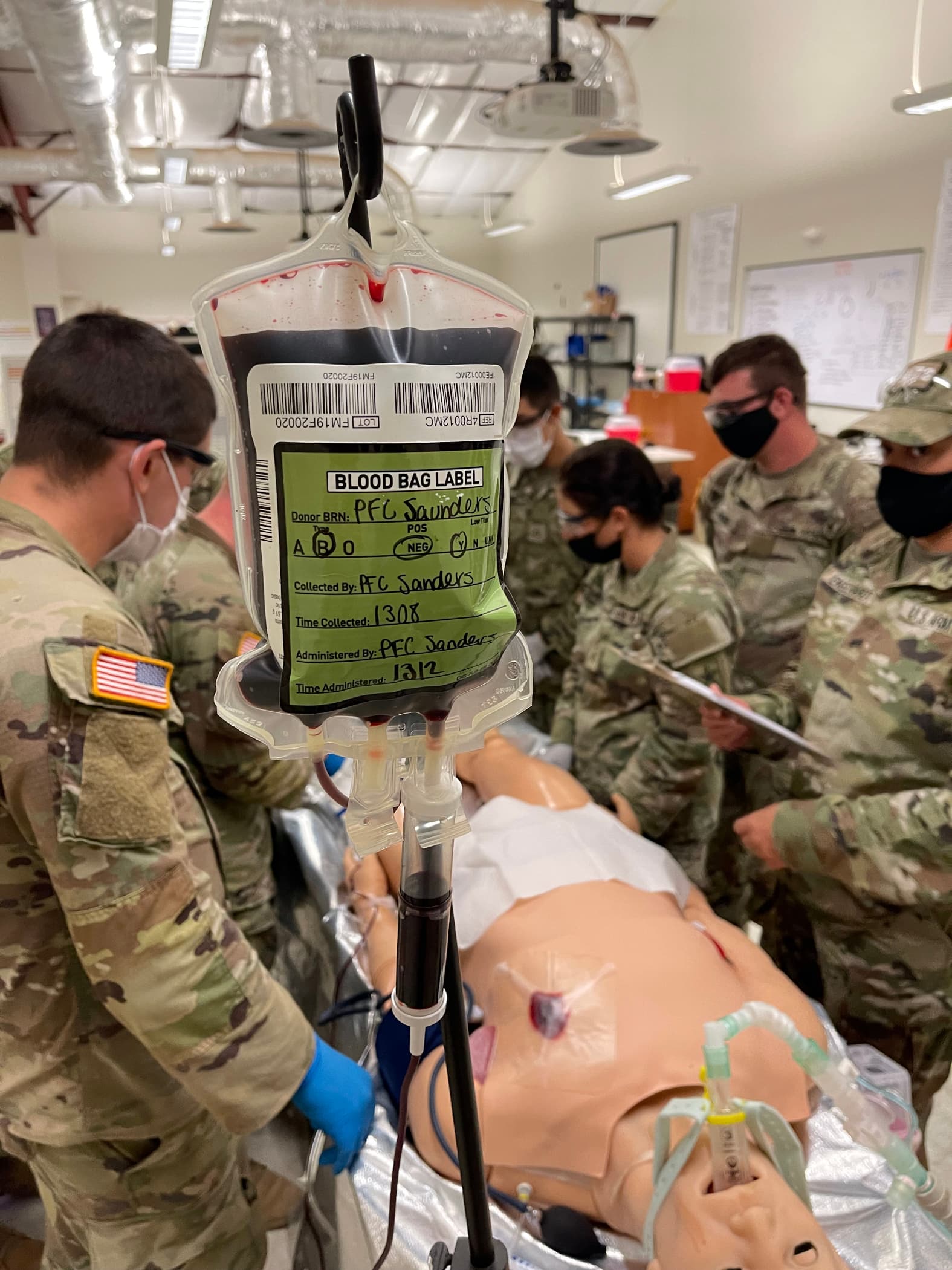
CBS News has spotlighted a program enabling military medics to transition directly into medical school, a development that could reshape both military medicine and civilian health care at a time of deep provider shortages. The initiative recognizes the hands-on clinical experience medics accumulate in uniform and seeks to harness that expertise to expand the pool of physicians who are already experienced in acute care, resource-limited settings and team-based practice.
The public health implications are immediate. Many regions struggling to recruit doctors, rural counties, Veterans Affairs clinics and safety-net hospitals, also have high rates of military service. A pipeline that moves medics into medical careers promises not only to increase physician supply but to produce clinicians familiar with trauma care, infectious disease control and the logistics of constrained systems. That background can be particularly valuable in underserved communities where flexible problem-solving and culturally competent care are urgently needed.
Yet converting practical military training into medical school readiness is not automatic. Medical education requires prerequisites, test scores and sustained academic preparation that may be uneven among enlisted personnel whose primary training emphasizes procedural competence over classroom coursework. Without deliberate academic supports, post-baccalaureate programs, MCAT preparation, tuition assistance and family support, promising candidates could be screened out before entry. Equity advocates caution that the program must be designed to avoid reproducing barriers that already exclude low-income, Black, Latino and first-generation students from medical education.
Policy questions loom as well. Funding sources and service obligations will determine whether the program expands access or simply redirects existing educational benefits. If tuition and living costs are covered but tied to lengthy service contracts, candidates from economically strained backgrounds might feel compelled to accept deployments or assignments that run counter to long-term community-facing careers. Conversely, short-term scholarships without adequate commitments could leave the military short-handed in critical enlisted roles. Policymakers will need to balance workforce planning across the Department of Defense, Veterans Affairs and civilian health systems.
There are also concerns about retention and career trajectory. Turning medics into doctors could reduce the availability of experienced enlisted clinicians whose role is vital in deployed and emergency settings. To avoid a harmful brain drain, leaders should pair upward mobility options with investment in recruitment and training pipelines for new medics, ensuring both ranks are staffed and supported.
For communities, the program could be transformative if it prioritizes candidates likely to return to underserved areas. Targeted recruitment of medics from rural and minority communities, combined with commitments to practice in high-need locations, would advance health equity. Partnerships between military training centers and teaching hospitals, along with funding that covers prerequisite coursework and reduces debt, would make the pathway accessible to a broader pool of veterans and service members.
As the program unfolds, careful monitoring of outcomes, who enters, who completes training, and where graduates ultimately practice, will be essential. If implemented with attention to academic support, equitable access and workforce balance, the initiative could expand the physician workforce and bring clinicians with unique experience to communities that need them most. If not, it risks widening gaps in both military and civilian care.
This article was produced by Prism’s automated news system from verified source data, official records, and press releases, then run through automated quality and moderation checks before publishing. The system is built and supervised by the people who set the standards it runs under. Read our full AI policy.
Did this article answer your question?