New photo exhibition reveals Southeast Asia’s industrial fishing crisis
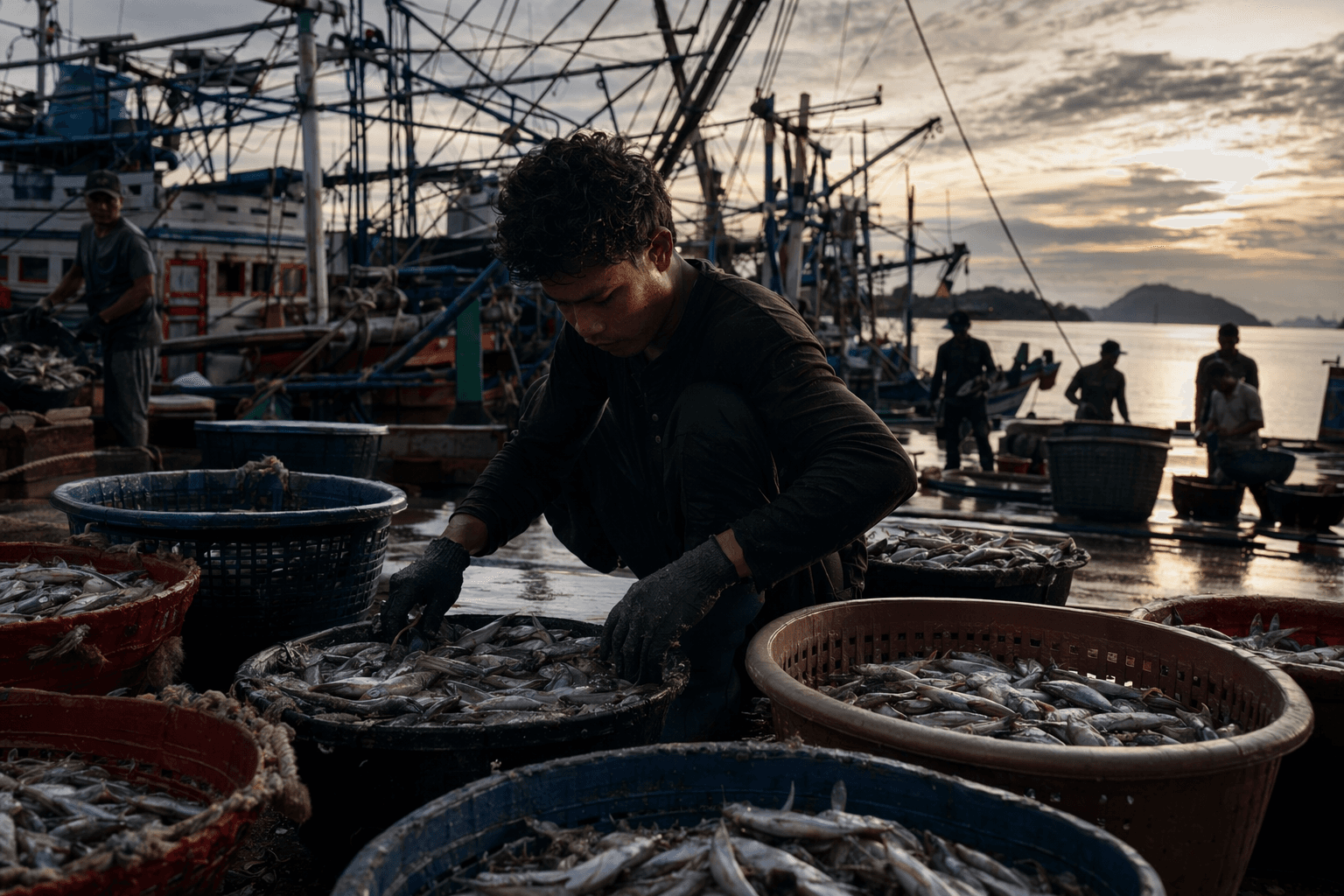
A Burmese dock worker sorting fish in Ranong, Thailand, captures a supply chain that ends on dinner plates worldwide. The exhibition ties that scene to depleted seas and unsafe labor.
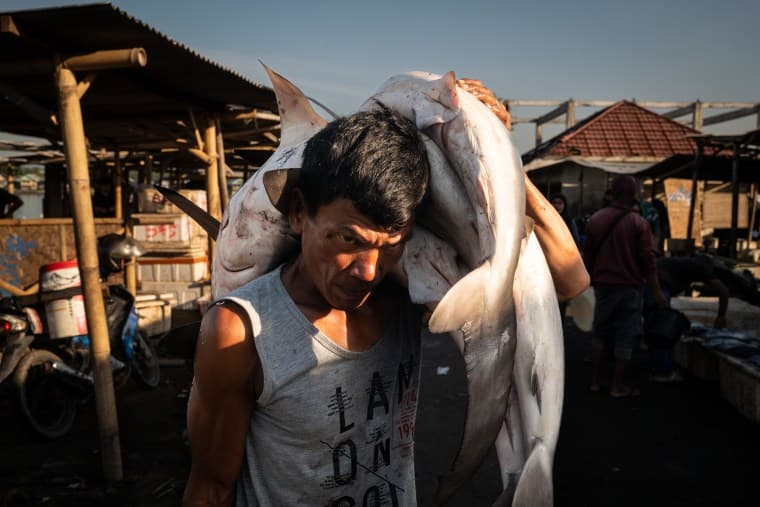
A Burmese dock worker sorting fish from a Thai vessel in Ranong, Thailand, was one of the stark images on view in the Bronx Documentary Center, where a new exhibition laid bare the industrial fishing system behind seafood sold around the world. The show ran from March 20 to April 26, 2026, and centered on Nicole Tung’s nine-month investigation across Thailand, Indonesia and the Philippines.
Tung, who won the 15th Carmignac Photojournalism Award for the project with support from Fondation Carmignac, traced fish from local ports to global markets and documented what that movement often hides: migrant labor, pressure on small-scale fishers, and the toll on threatened species such as sharks and wedgefish. In Jakarta, Indonesia, the project captured commercial fishing vessels docked at port, another stop in a supply chain that stretches far beyond Southeast Asia.
The scale of the problem is enormous. Exhibition materials say Southeast Asia produces more than half of the world’s fish, even as the region’s waters have become some of the most depleted and contested in the world. A Center for Strategic and International Studies estimate cited in the reporting says fish stocks in the South China Sea have been depleted by 70% to 95% since the 1950s, a collapse that reflects decades of overfishing and mounting ecological strain.
That pressure is not only about volume. The South China Sea is also a contested maritime zone, with overlapping claims adding geopolitical friction to industrial fishing. Bottom trawling and giant clam harvesting have damaged reefs and accelerated overexploitation in shallow coral habitats, while illegal fishing and opaque supply chains make it harder to track where catch comes from and who benefits from it.
The human cost runs alongside the ecological one. The exhibition pointed to dangerous working conditions at sea and to reforms in Thailand that followed 2015 reports on sea slavery. Those changes improved labor conditions, but the reporting says they are now vulnerable to rollback as government ties to the fishing industry strengthen.
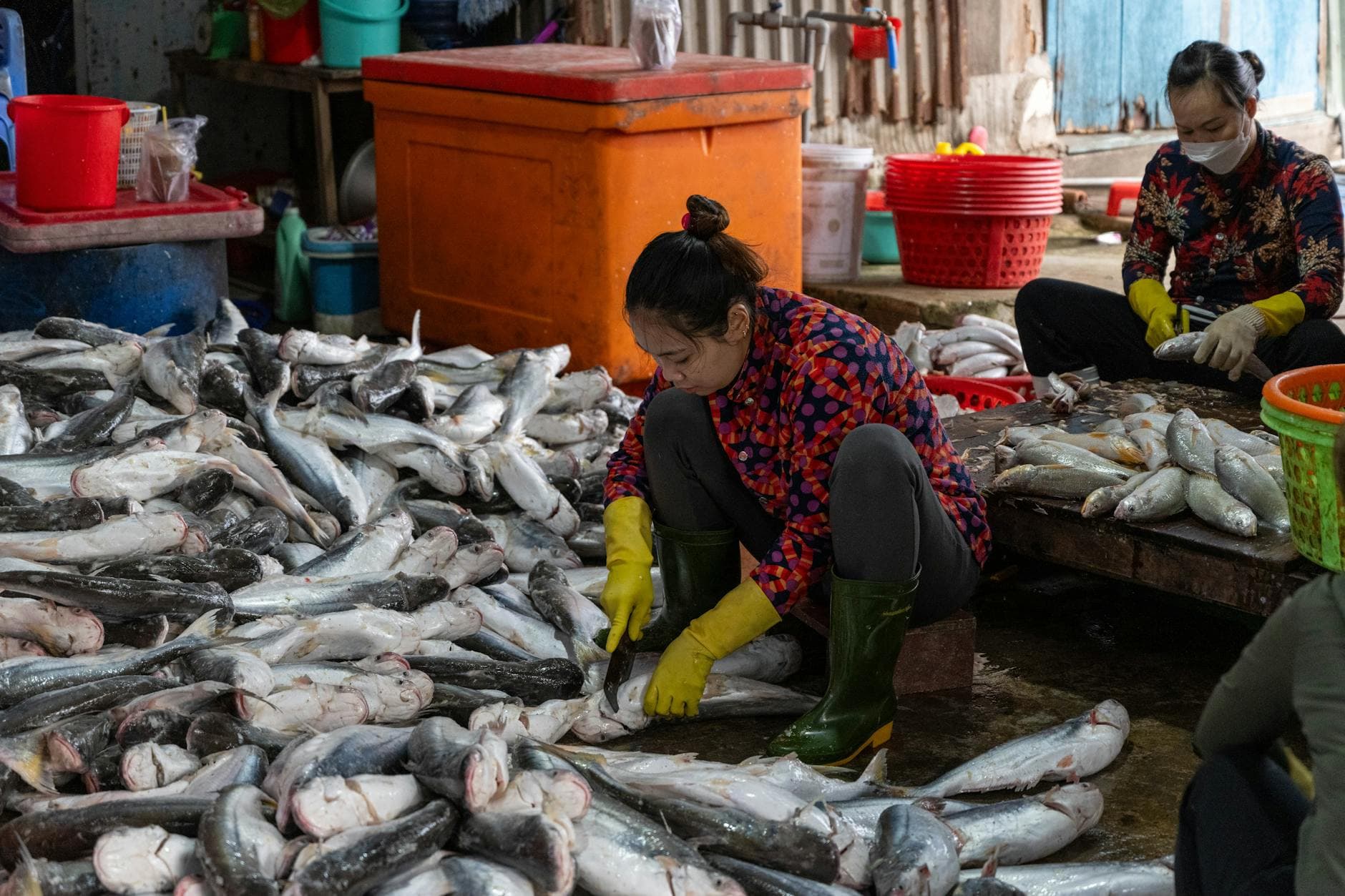
The timing underscores the stakes. In 2024, the Food and Agriculture Organization of the United Nations said global fisheries and aquaculture production reached a new high, and aquaculture production of aquatic animals surpassed capture fisheries for the first time. As farmed seafood expands, the exhibition’s images show how much remains at risk in the wild catch economy, where the decline of Southeast Asia’s seas is already being felt from port towns to global dinner tables.
This article was produced by Prism’s automated news system from verified source data, official records, and press releases, then run through automated quality and moderation checks before publishing. The system is built and supervised by the people who set the standards it runs under. Read our full AI policy.
Did this article answer your question?