U.S. to Pull 5,000 Troops from Germany Amid Europe Tensions
Germany’s U.S. bases are the spine of American power projection in Europe and beyond. Cutting 5,000 troops may look modest, but it dents a key deterrence plan.
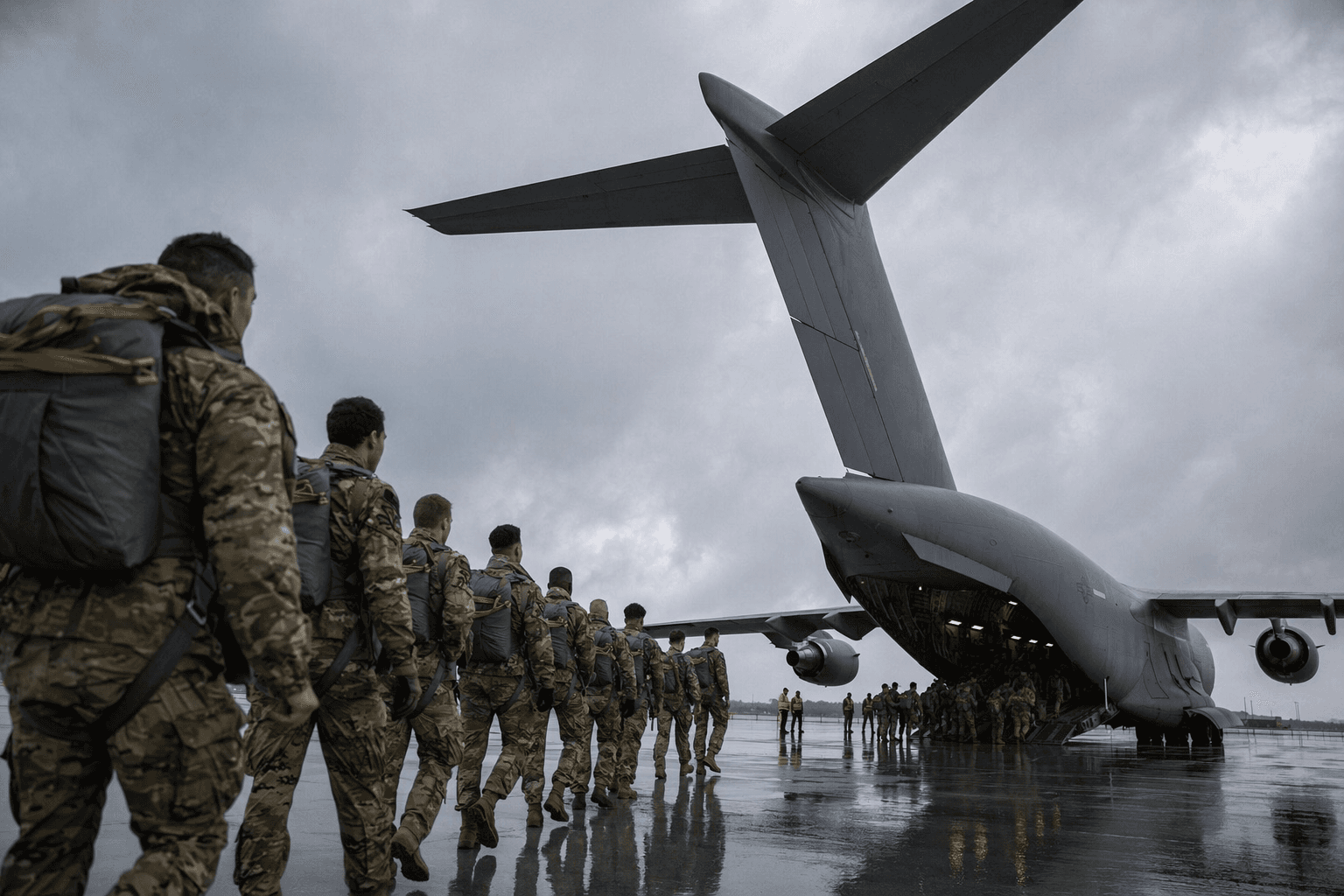
Germany is where the U.S. military turns a Europe-based footprint into reach across three continents. Ramstein Air Base functions as a major U.S. and NATO air operations center, Grafenwoehr is the largest U.S. Army training area in Europe, and installations in Wiesbaden, Stuttgart, Ansbach, Rheinland-Pfalz and Spangdahlem help anchor logistics, intelligence and command support for operations stretching into the Middle East and Africa.
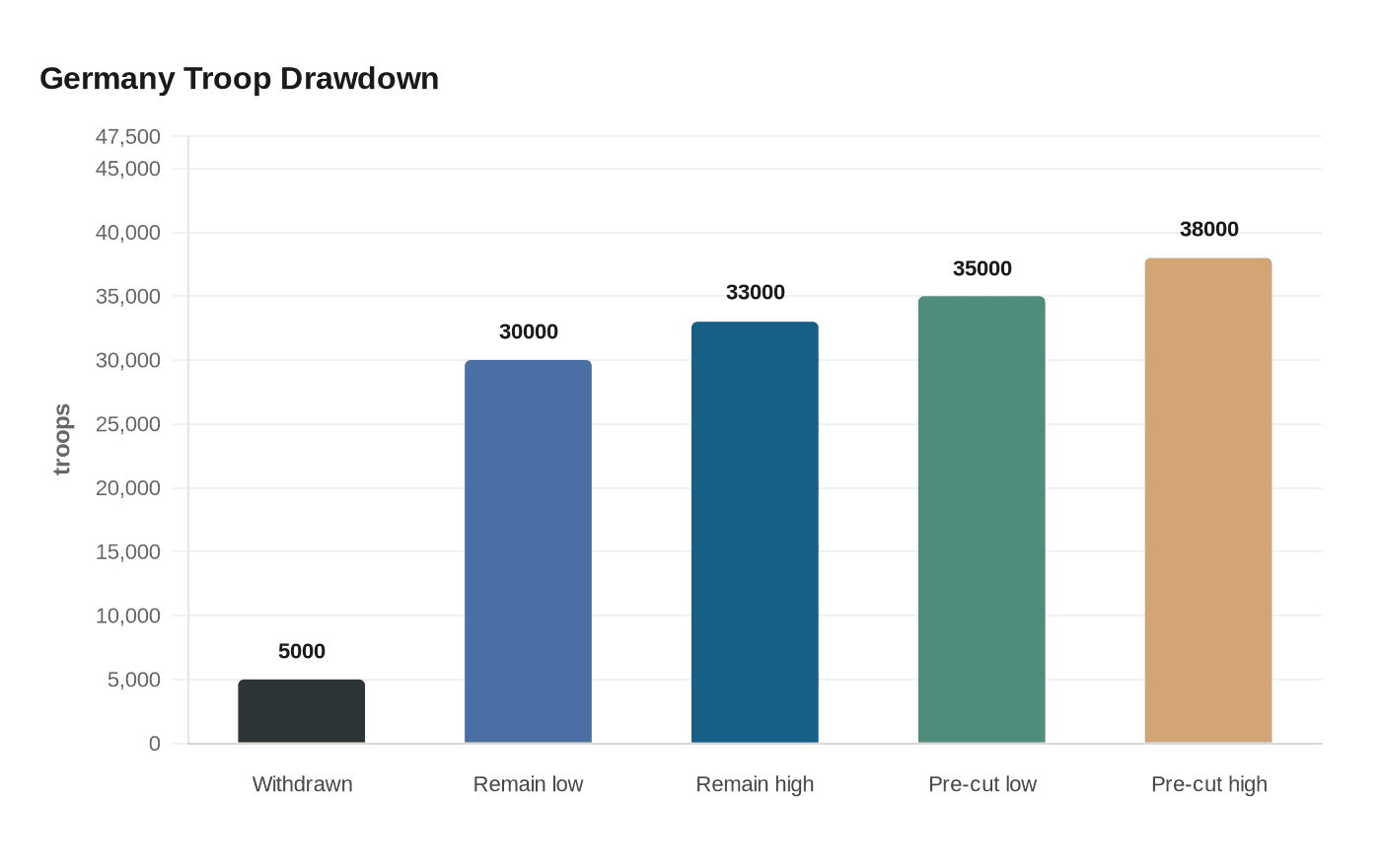
That is why the Pentagon’s decision to withdraw about 5,000 troops from Germany matters more than the headline number suggests. Announced on May 1, the move is expected to be completed over the next six to 12 months and would leave roughly 30,000 to 33,000 U.S. troops in the country. Germany still hosts the largest concentration of American forces in Europe and more U.S. personnel than any foreign country except Japan.
The drawdown also cancels a planned deployment of a Long-Range Fires Battalion, a unit viewed as an important deterrence measure in Europe. On paper, removing 5,000 troops from a German force of roughly 35,000 to 38,000 amounts to a partial reduction, not a rupture. In strategic terms, though, the loss of a planned long-range fires capability and the uncertainty around future cuts make the move more than symbolic.
The decision landed amid a Pentagon review of the U.S. force posture in Europe and rising political tension between President Donald Trump and German Chancellor Friedrich Merz over the Iran war and broader transatlantic disputes. German Defense Minister Boris Pistorius said the drawdown was expected and should push Europeans to strengthen their own defenses further. Analysts warned that shifting troops out of Germany could create logistical headaches and potentially weaken U.S. interests by disrupting the command-and-support network that makes the German presence valuable in the first place.
That is the recurring problem with troop cuts in Germany: the bases are not just a legacy of post-World War II occupation and Cold War deterrence, but a working platform for NATO reinforcement and U.S. power projection. Earlier efforts to shrink the footprint ran into the same reality. The infrastructure in Germany is built for speed, scale and access, which makes any reduction hard to treat as purely symbolic.
Trump signaled that the announced withdrawal may not be the end of the story, saying the U.S. would cut troop levels in Germany “a lot further” than 5,000. For NATO planners, that makes the current drawdown less a finished policy than the opening move in a larger test of how far Washington is willing to thin one of its most important overseas hubs.
This article was produced by Prism’s automated news system from verified source data, official records, and press releases, then run through automated quality and moderation checks before publishing. The system is built and supervised by the people who set the standards it runs under. Read our full AI policy.
Did this article answer your question?