Two women die as migrant boat carrying 82 runs aground in France
An engine failure on a migrant boat carrying 82 people left two women dead and 16 others injured off Hardelot beach, with 17 rescued to Boulogne-sur-Mer.
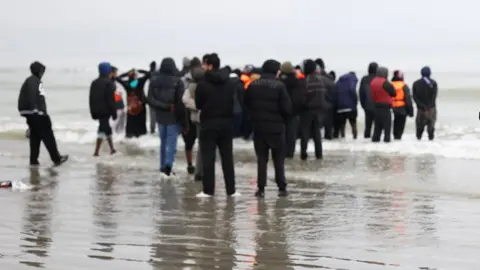
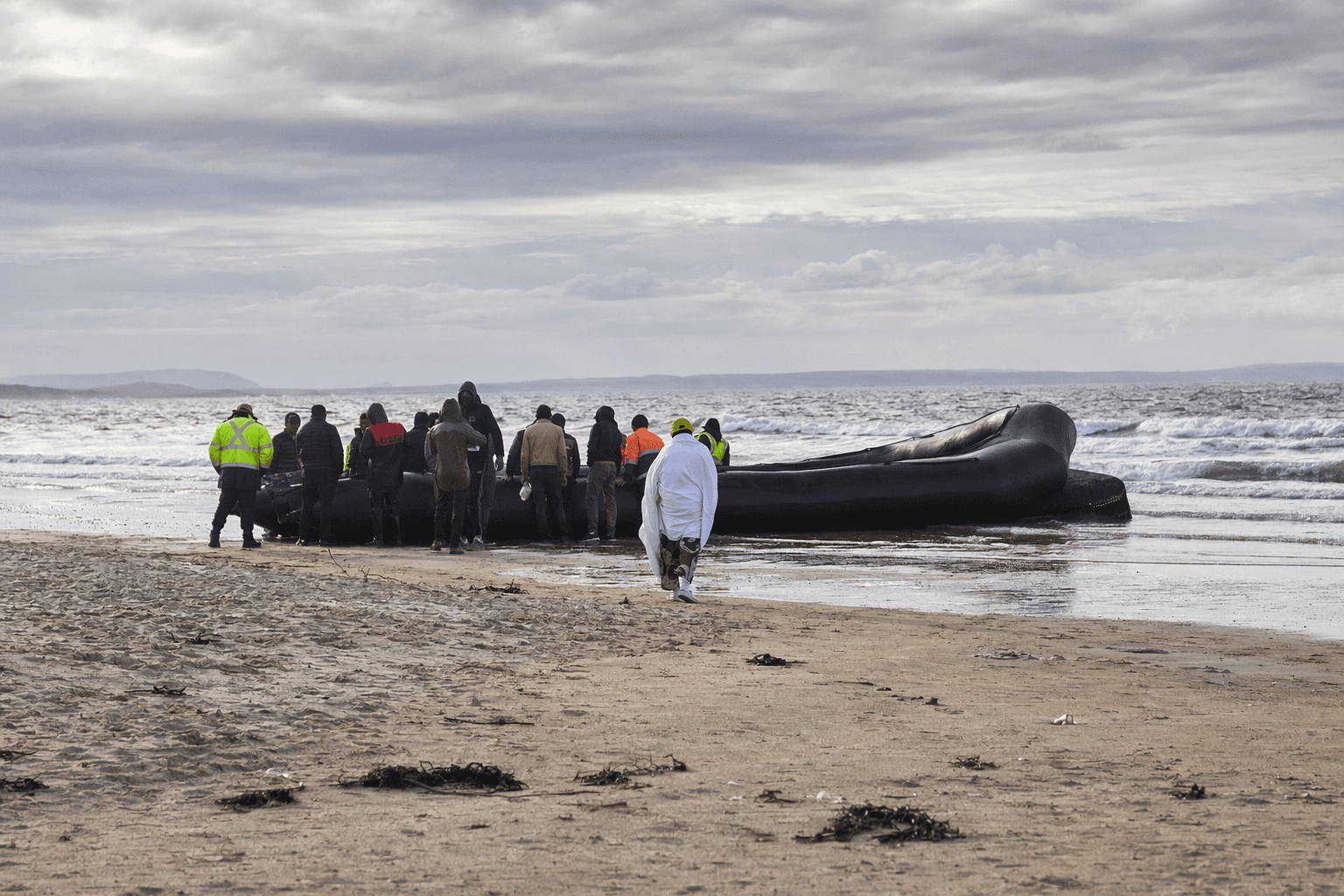
An engine failure on a migrant boat carrying 82 people left two women dead and 16 others injured after the vessel ran aground on a beach in northern France. The boat had set out overnight from Hardelot beach, a few kilometers south of Boulogne-sur-Mer, before it drifted into trouble in the English Channel.
Christophe Marx, secretary-general of the Pas-de-Calais prefecture, said the vessel’s engine failed and it began to drift before grounding. French officials said the two women who died were believed to be in their 20s and thought to be from Sudan. Their deaths came amid a chaotic scene in which a French maritime gendarmerie vessel rescued 17 people and brought them to Boulogne-sur-Mer, while 65 others remained on board when the boat ran aground.
The injuries reflected how quickly these crossings can turn catastrophic. Officials said 16 people were hurt, including three with serious burns. The combination of fire, fuel, crowding and exposure is a familiar pattern in Channel incidents, where migrants often board overcrowded vessels under cover of darkness and are then left vulnerable if engines fail or smugglers abandon them.
The deaths also underscored how enforcement has not stopped the crossings so much as changed their shape. Reuters reported that the number of people reaching Britain from France has dropped significantly this year compared with 2025, but the pressure to leave remains strong enough that people still keep attempting the crossing. As controls tighten, more migrants are pushed toward rougher launch points, riskier boats and smugglers who profit from desperation rather than protection.
Hardelot beach and Boulogne-sur-Mer sit on a stretch of coast that has become one of the most scrutinized migration corridors in Europe. The latest grounding added two more names to a toll that has become grimly routine: young people taking extraordinary risks to reach safety, work or family, only to meet the dangers of the Channel before they ever reach British waters.
This article was produced by Prism’s automated news system from verified source data, official records, and press releases, then run through automated quality and moderation checks before publishing. The system is built and supervised by the people who set the standards it runs under. Read our full AI policy.
Did this article answer your question?