May 3 Marks Press Freedom Day, Poland’s Constitution, Thatcher’s Victory
May 3 brings together press freedom, constitutional reform, and political change, showing how one date still tracks the health of democratic institutions.
A date that keeps returning
Three milestones make May 3 more than a square on the calendar: a global defense of press freedom, a constitutional turning point in Poland, and a decisive shift in British politics. CBS News’ "Sunday Morning" uses the date to look back at historical events, but the deeper lesson is that May 3 keeps testing how societies handle power, accountability, and public memory.
The day also carries a warning. Press freedom is not a ceremonial ideal; it is a working condition for democracy, and the annual observance exists because journalists still face restraint, pressure, and attack. May 3 endures precisely because those tensions have not disappeared.
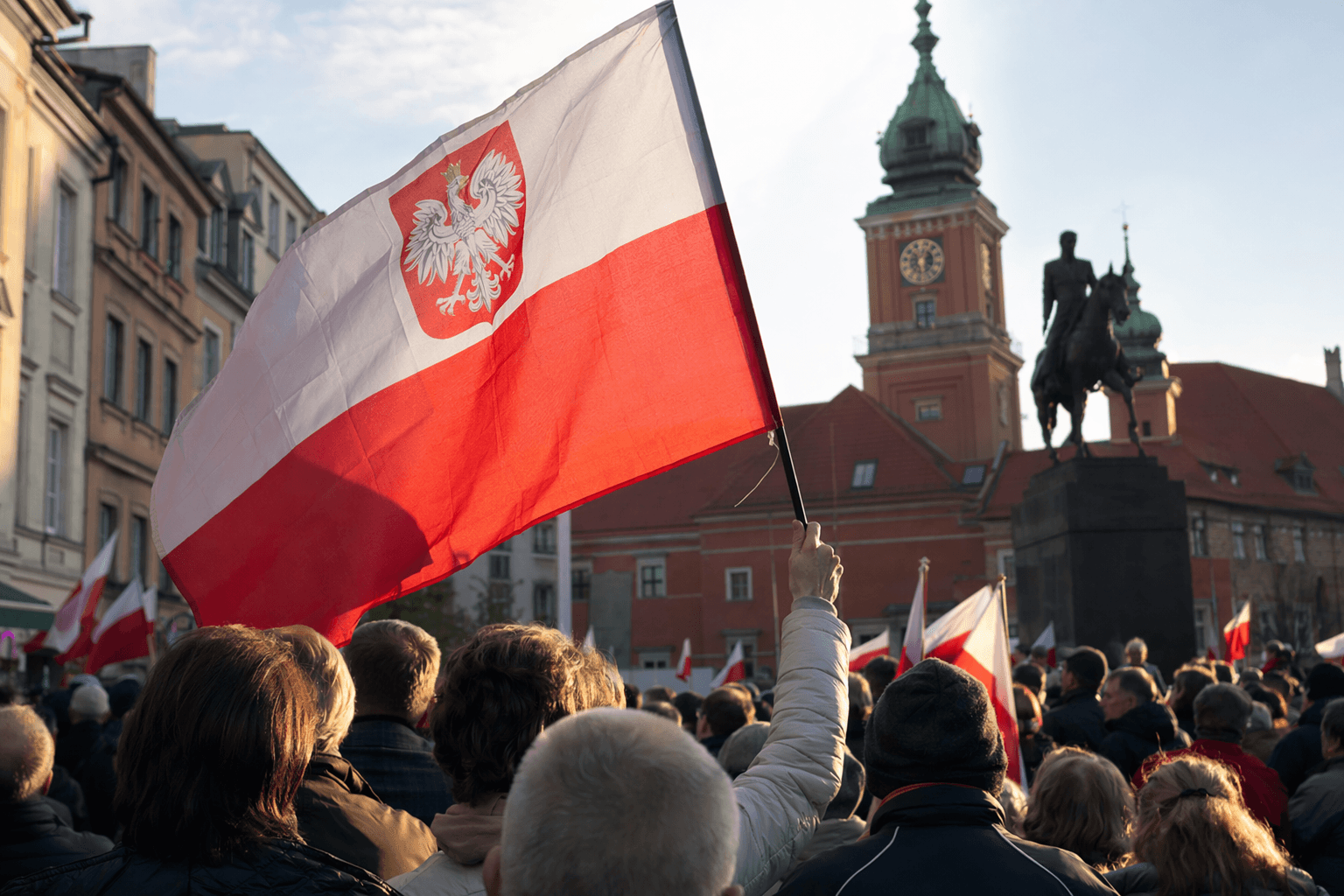
World Press Freedom Day and the modern media test
May 3 is observed globally as World Press Freedom Day, a joint UNESCO and United Nations observance established in 1993. UNESCO describes the day as a reminder to governments to respect their commitments to press freedom and as a moment of reflection among media professionals.
That framing matters because press freedom is not only about the right to publish. It is also about whether institutions allow scrutiny, whether journalists can work without interference, and whether the public can receive information without official obstruction. The day exists to support media workers whose work is restricted or targeted, which is why it remains a live national issue rather than a symbolic anniversary.
The civic purpose is plain: free reporting strengthens public oversight. When governments are reminded on May 3 that press freedom is a commitment, not a favor, the observance becomes part of democratic accountability. That is the point of the day as UNESCO and the United Nations have defined it since 1993.
Poland’s May 3 Constitution and the language of reform
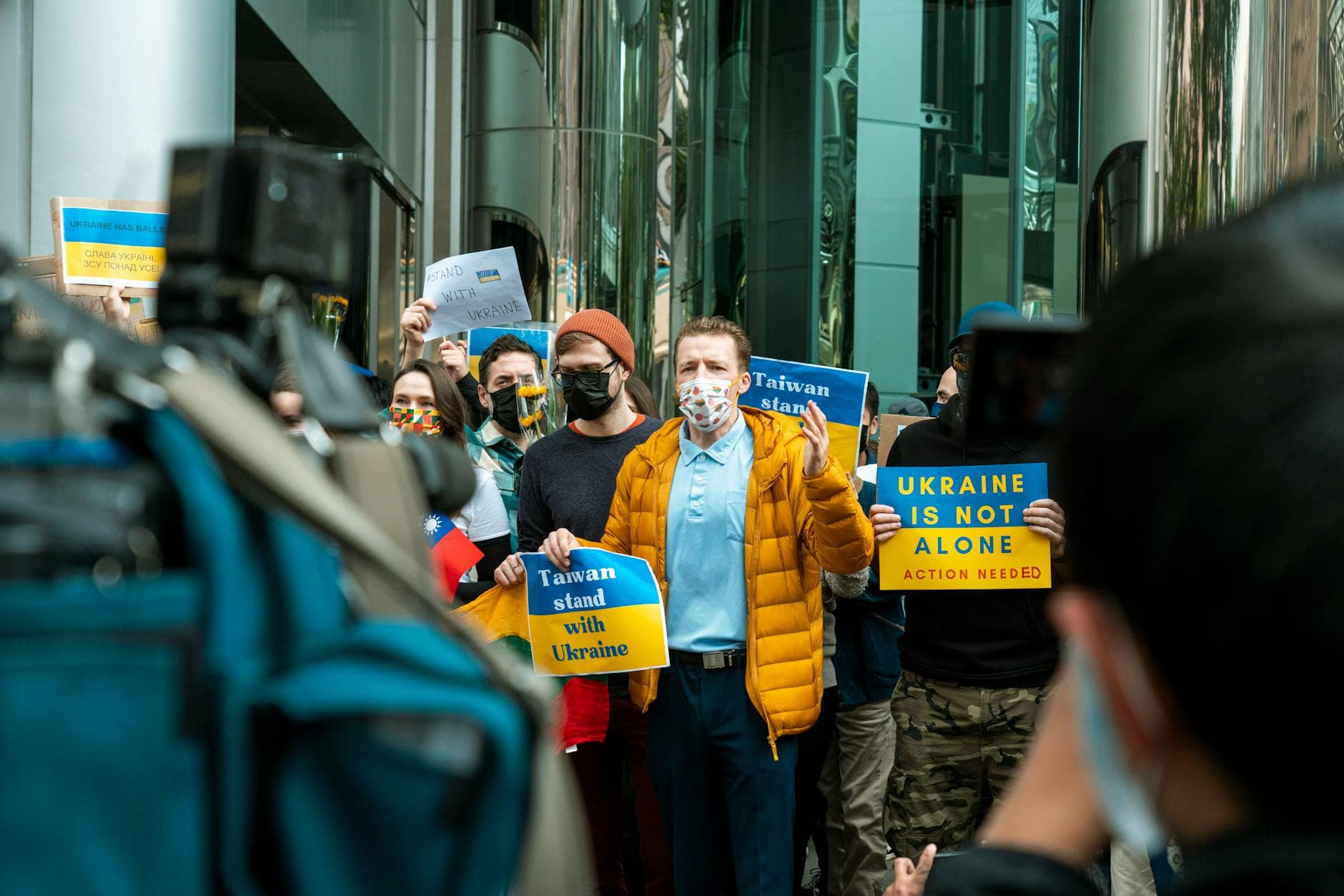
May 3 also occupies a central place in Polish history because it marks the Constitution of May 3, 1791, adopted by the Sejm of the Polish-Lithuanian Commonwealth. It is widely described as the first modern constitution in Europe, and the official Polish text presents it as a direct response to defects in government and foreign influence.
That combination of words gives the document its lasting force. The constitution was not merely a ceremonial text; it was an attempt to correct institutional weakness and to assert political independence in the face of outside pressure. In the official formulation, the Sejm declared: "we do solemnly establish the present Constitution," a line that still carries the weight of state-building.
The date remains a major national symbol because it connects constitutional design with sovereignty. For Poland, May 3 is not just about looking back at 1791. It is about remembering that reform, legitimacy, and national resilience can be joined in one document, even under difficult political conditions.
Thatcher’s victory and a changing political order
May 3 is also a landmark in British political history. On May 3, 1979, Margaret Thatcher’s Conservatives won the United Kingdom general election. The next day, May 4, 1979, Thatcher became the country’s first female prime minister.

The Government of the United Kingdom’s history of Baroness Thatcher describes her as the "Iron Lady" and notes that she was the first female British prime minister and the longest serving prime minister for over 150 years. Those facts explain why her rise is still treated as a turning point: it was both an electoral victory and an institutional break with precedent.
Thatcher’s entry into Downing Street reshaped expectations about leadership in Britain. Her victory on May 3 is remembered not only because it changed the governing party, but because it altered the symbolism of who could hold the highest office. The date belongs in the same historical conversation as the Polish constitution and World Press Freedom Day because it shows how elections can redirect the political order.
Why May 3 still matters now
These three events are not connected by geography, but they are linked by a common question: who holds power, on what terms, and under what scrutiny. World Press Freedom Day asks whether journalists can do that scrutiny work freely. The Polish Constitution of 1791 asks whether institutions can be redesigned to correct defects in government and resist foreign influence. Thatcher’s victory asks how democratic choice can produce a new governing era, including a first in national leadership.
That is why May 3 resists being reduced to commemoration alone. It is a date that keeps returning to the same democratic tests: accountability, legitimacy, and access to truthful information. UNESCO’s observance keeps press freedom tied to current responsibility, while Poland’s constitutional anniversary and Thatcher’s election remind readers that institutions are built, tested, and sometimes transformed on a single day.
For anyone reading the calendar as a record of democratic change, May 3 carries a clear message. Free media, constitutional order, and electoral power are not separate stories. They are parts of the same public argument, and it is still being argued every year this date comes around.
This article was produced by Prism’s automated news system from verified source data, official records, and press releases, then run through automated quality and moderation checks before publishing. The system is built and supervised by the people who set the standards it runs under. Read our full AI policy.
Did this article answer your question?