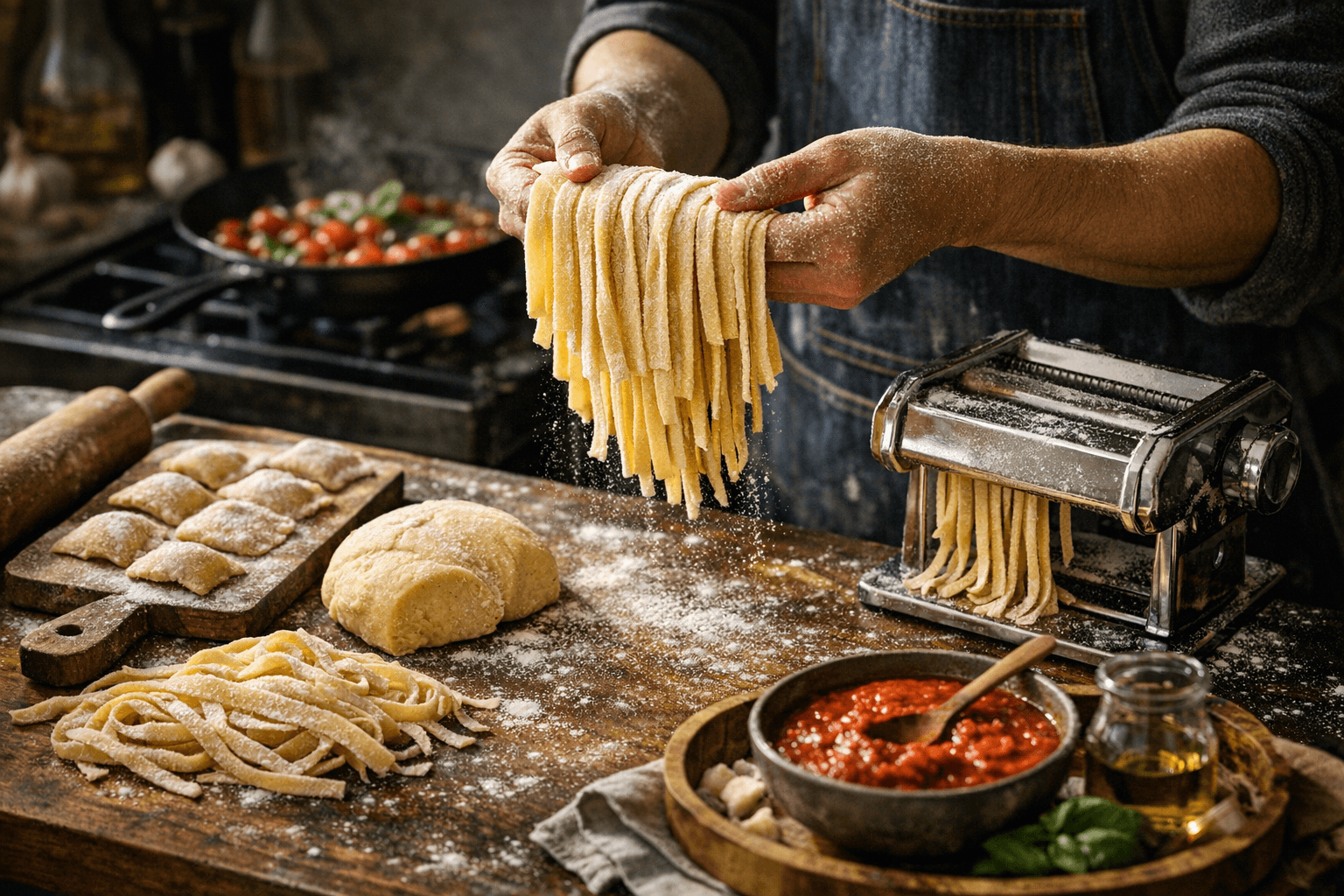
New primer explains how pasta affects post-meal blood glucose and offers practical tips
A medically reviewed primer lays out why pasta raises blood sugar and which preparation choices can moderate that effect. The guidance highlights cooking time, portion size, pairing with protein and vegetables, and cooling-and-reheating techniques that help reduce glucose spikes.
%3Amax_bytes(150000)%3Astrip_icc()%2FVWH-GettyImages-2206163227-a9dc51ea49074015b1ed165c1fbccf46.jpg&w=1920&q=75)
A new medically reviewed primer focused on pasta and blood glucose clarifies how this beloved staple influences post-meal glucose and offers evidence-based steps to reduce spikes. The primer explains that pasta does raise blood sugar because it is carbohydrate-rich, but its glycemic effect can be moderate compared with other refined starches depending on structure, cooking time, portion size, and what it is eaten with.
The report places cooking time near the top of the list. Pasta cooked al dente digests more slowly than softer, overcooked pasta because less gelatinization of the starch slows enzymatic breakdown. Portion size and total carbohydrate amount determine glycemic load, so larger servings produce larger post-meal rises even when the pasta itself has a relatively low glycemic index.
Pairing matters. Combining pasta with protein, fat, and vegetables slows gastric emptying and blunts glucose spikes. The primer highlights that building a plate with lean protein, heart-healthy fats, and nonstarchy vegetables reduces the speed and height of blood-sugar responses compared with eating plain pasta or pasta paired with high-sugar sauces.
Preparation and storage also change how the body handles pasta. Pasta that is cooled and reheated forms resistant starch, which behaves more like fiber in the gut and can lower the glycemic response. The piece recommends incorporating cooled-and-reheated pasta into meals occasionally as a simple technique to increase resistant starch intake.

For ingredient choices, the primer recommends whole-grain or legume-based pastas for their higher fiber and protein content, which tend to lower post-meal blood glucose compared with refined semolina. It also emphasizes mindful portion control and suggests combining pasta with vegetables and a protein source to stabilize glucose levels during and after the meal.
The primer cites multiple studies and authoritative sources including Harvard, the Centers for Disease Control and Prevention, and the American Diabetes Association to support its recommendations. That evidence base makes the guidance practical for people who enjoy pasta but need to manage blood-sugar effects for health reasons.
Practical takeaways are immediate: favor al dente cooking, monitor portion sizes, choose whole-grain or legume pastas when possible, add protein and vegetables, and try cooling and reheating some servings. These steps offer accessible ways to keep pasta in the meal rotation while moderating its impact on blood glucose.
Sources:
Know something we missed? Have a correction or additional information?
Submit a Tip