New Randomized Trial Tests Two Tabata HIIT Modalities in Competitive Table Tennis
A new randomized trial (NCT07403461) will compare two Tabata-based HIIT modalities in competitive table tennis players to test neuromuscular and physiological effects that could reshape conditioning practices.
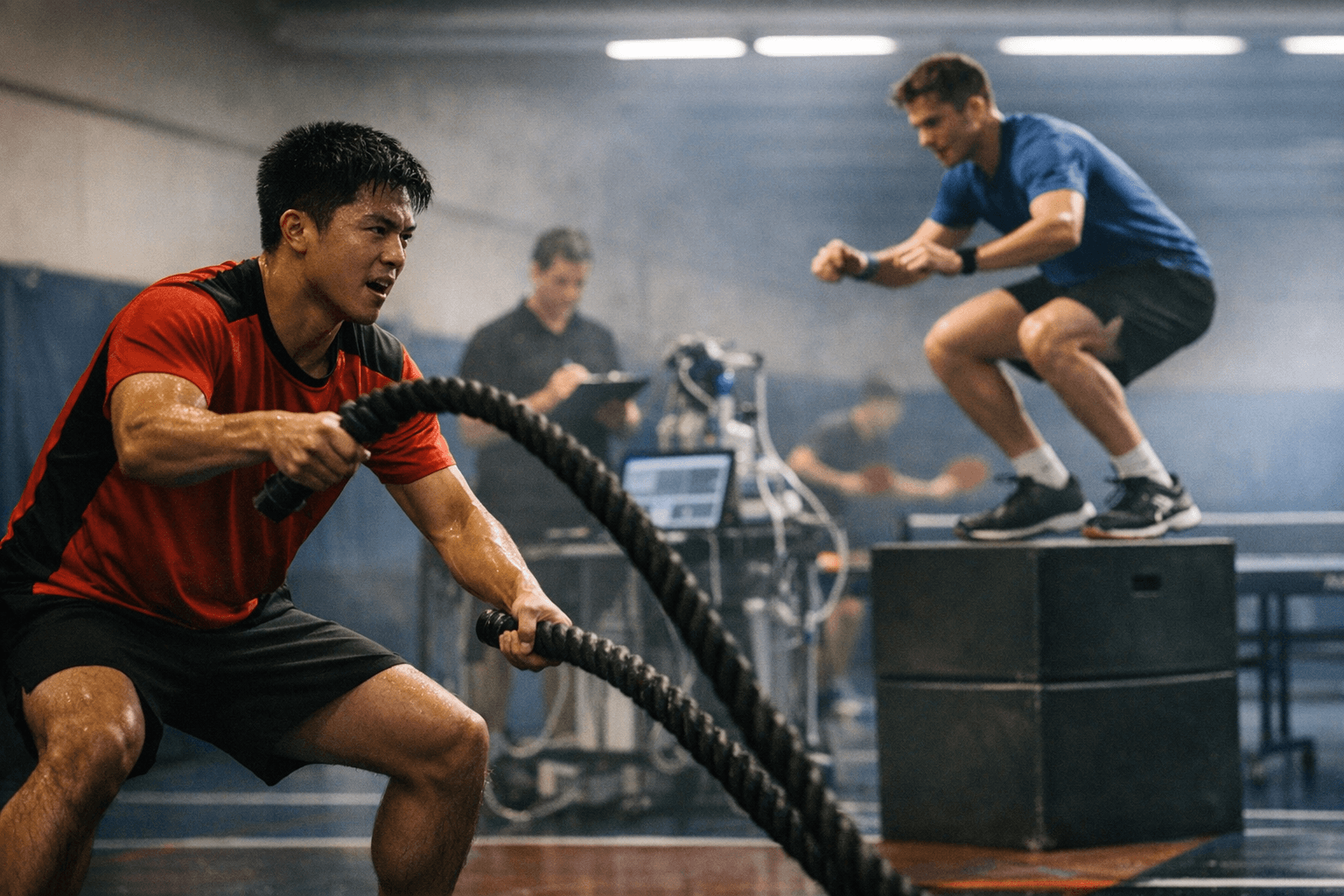
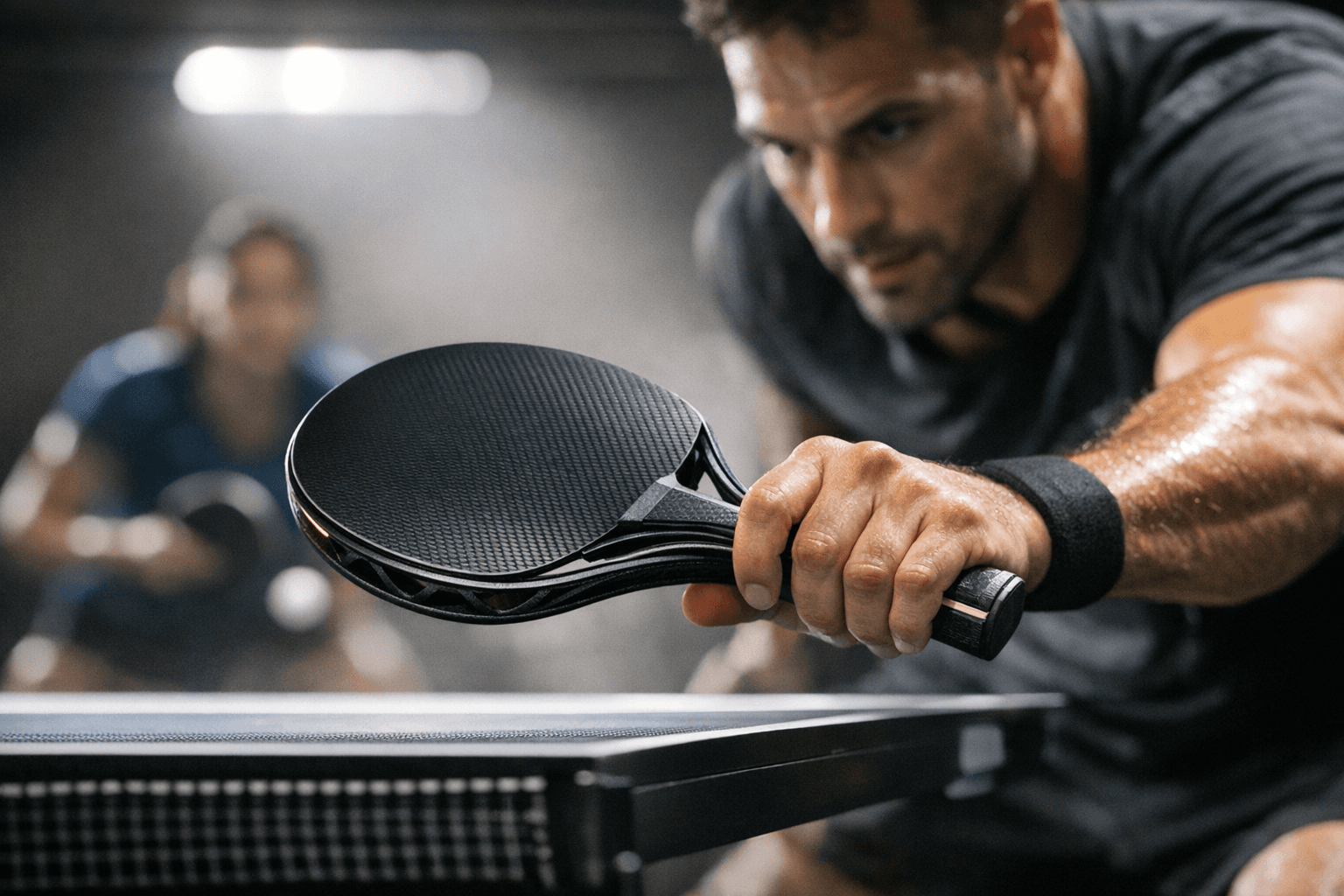
A clinical-trial registry entry posted today announces a randomized study testing two Tabata-based high-intensity interval training (HIIT) modalities on neuromuscular and physiological performance in competitive table tennis. The entry, listed as NCT07403461 and posted 2026-02-11, frames a sport-specific investigation that could influence how coaches and players structure match-ready conditioning.
The registry brief states plainly: "This clinical-trial registry entry describes a newly posted randomized study investigating the effects of two Tabata-based high-intensity interval training (HIIT) modalities on neuromuscular and physiological performance in competitive table tennis." Beyond that sentence, the posting supplied here does not include sample size, trial location, session frequency, or the exact neuromuscular and physiological tests to be used.
The trial arrives amid mixed evidence on HIIT outcomes across populations and endpoints. Some adolescent studies have shown acute cognitive gains tied to HIIT duration, with one report concluding that "30 minutes of HIIT was more favorable for adolescent cognition immediately after and 45 minutes post-exercise compared with 60 minutes." A larger school-based trial in New Zealand involving 305 schoolchildren aged 7-13 observed "a mean reduction of seven seconds in Stroop performance, suggesting that longer high-intensity protocols may be required to achieve measurable effects."
Yet not all trials find cognitive benefits. A randomized clinical trial in southern Brazil examining twelve short-HIIT sessions over six weeks in 161 adolescents reported that "despite good adherence (75.5%) and methodological rigor, no statistically significant differences were observed between the control group and the short-HIIT group for the assessed cognitive outcomes." That study also documented that "six weeks of short-HIIT (12 sessions) did not produce statistically significant effects between the intervention and control groups for any of the assessed outcomes (executive function and inhibitory control), in both crude models and models adjusted for potential confounders (sex, age, asset index, baseline PA, time spent on social media, and BMI)."
Evidence from adult fitness research provides another frame. A recent meta-analysis in recreationally active females concluded that "HIIT significantly improved VO2max and VO2peak by small to large effects in recreationally active females" and that HIIT "significantly ... reduces body fat percentage." The authors noted strengths in their approach: "The major strength is the comprehensive and systematic search conducted across three indexed databases, independently screened by two researchers, ensuring a rigorous selection process." They also cautioned that "the relatively small number of included trials limits the generalizability."
For the ping pong community, this registered trial signals a shift toward testing conditioning protocols that are explicitly tailored to match demands: quick lateral cuts, repeated high-speed rallies, and rapid recovery between points. Practical value will hinge on the trial’s specifics—session duration, interval structure, outcome measures such as sprint times, reactive strength, or VO2 metrics—and whether findings transfer to reduced fatigue in long matches or improved stroke consistency. A comparative timing statistic appearing in related literature shows 50.6 ± 10.7 seconds in an intervention group versus 53.0 ± 10.9 seconds in a control group, though the timed test producing those seconds is not identified in the excerpt.
Next up for readers: watch for the trial protocol and results release detailing sample size, exact Tabata parameters, primary endpoints, and statistical plans. Those details will determine if Tabata-style HIIT becomes a standard thread in warm-ups, conditioning blocks, or return-to-play programs for competitive table tennis.
Know something we missed? Have a correction or additional information?
Submit a Tip