New reading suggests medieval monk recognized Halley's Comet's return centuries early
A new reading of a 12th-century chronicle suggests Eilmer of Malmesbury linked Halley’s Comet in 989 and 1066, hinting at a return recognized centuries before Halley.

A medieval monk may have recognized Halley’s Comet as the same visitor returning after 77 years, long before Edmond Halley turned periodic comets into a scientific prediction. The new reading centers on Eilmer of Malmesbury, also rendered Aethelmaer or Aethelmær, and on a small but important shift in how historians read a 12th-century Latin chronicle.
The claim comes from Leiden University researchers Simon Portegies Zwart and Bob Lewis, who reexamined William of Malmesbury’s Gesta Regum Anglorum, written about a century after Eilmer’s lifetime. Their reading argues that Eilmer linked comet sightings in 989 and 1066, not 1018 and 1066 as a University of Leicester historian has suggested. In William’s account, Eilmer saw the comet again in 1066 and remarked that it had been a long time since he last saw it, language the Leiden team takes as evidence that he connected the two appearances as the same object.

That matters because the comet was not just any skywatching curiosity. It was the bright object later identified as Halley’s Comet, the same one depicted in the Bayeux Tapestry’s famous 1066 scene and treated as an omen in the run-up to the Norman Conquest and the Battle of Hastings. Medieval Europeans generally read comets as portents of change, often of bad fortune, so a monk who noticed recurrence rather than prophecy would stand out in the record.
The historians’ argument also turns on what they think does not hold up. They say a separate comet mentioned around 995 may not be reliable evidence, and could reflect the exaggerated or warning-style reporting common in medieval sources. The result is less a newly discovered observation than a new way of reading an old one, with the weight of the claim resting on how William of Malmesbury phrased Eilmer’s reaction.
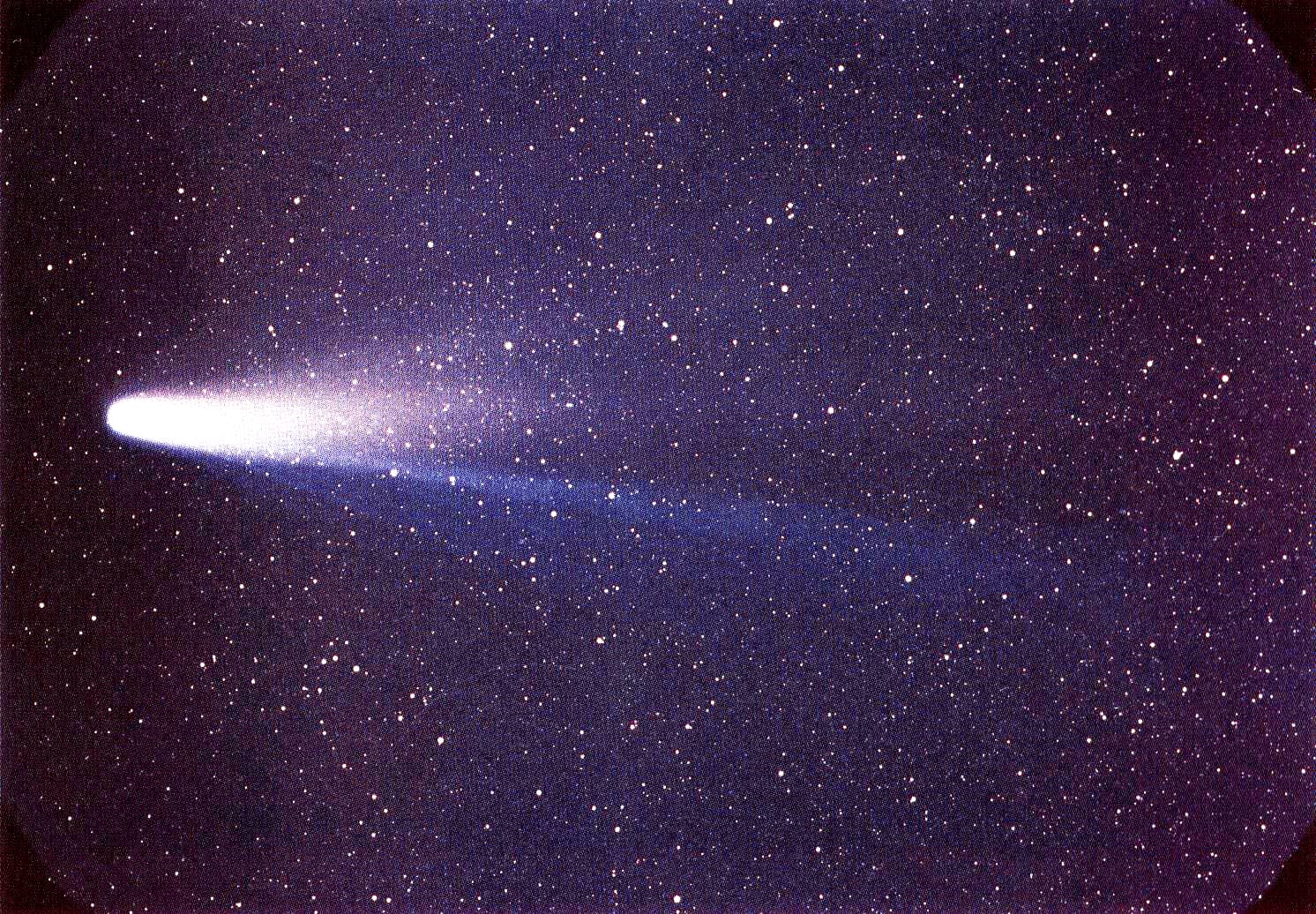
If the interpretation is right, Eilmer would have identified Halley’s Comet as periodic nearly 700 years before Edmond Halley, who lived from 1656 to 1742. Halley compared the comets of 1531, 1607 and 1682, concluded they were one recurring body, and predicted its return in 1758. Modern references place Halley’s Comet on an average 76-year orbit; it was last seen in 1986 and is expected back in 2061. That makes the Eilmer reading a reminder of how much can hinge on a few lines in a manuscript, and how historians still test famous claims when the evidence is thin and centuries old.
This article was produced by Prism’s automated news system from verified source data, official records, and press releases, then run through automated quality and moderation checks before publishing. The system is built and supervised by the people who set the standards it runs under. Read our full AI policy.
Know something we missed? Have a correction or additional information?
Submit a Tip