New scan technique spots hidden endometriosis with 84% accuracy
A phase 2 scan using 99mTc-maraciclatide found hidden endometriosis with 84% accuracy, raising hopes of faster diagnoses for millions of women.
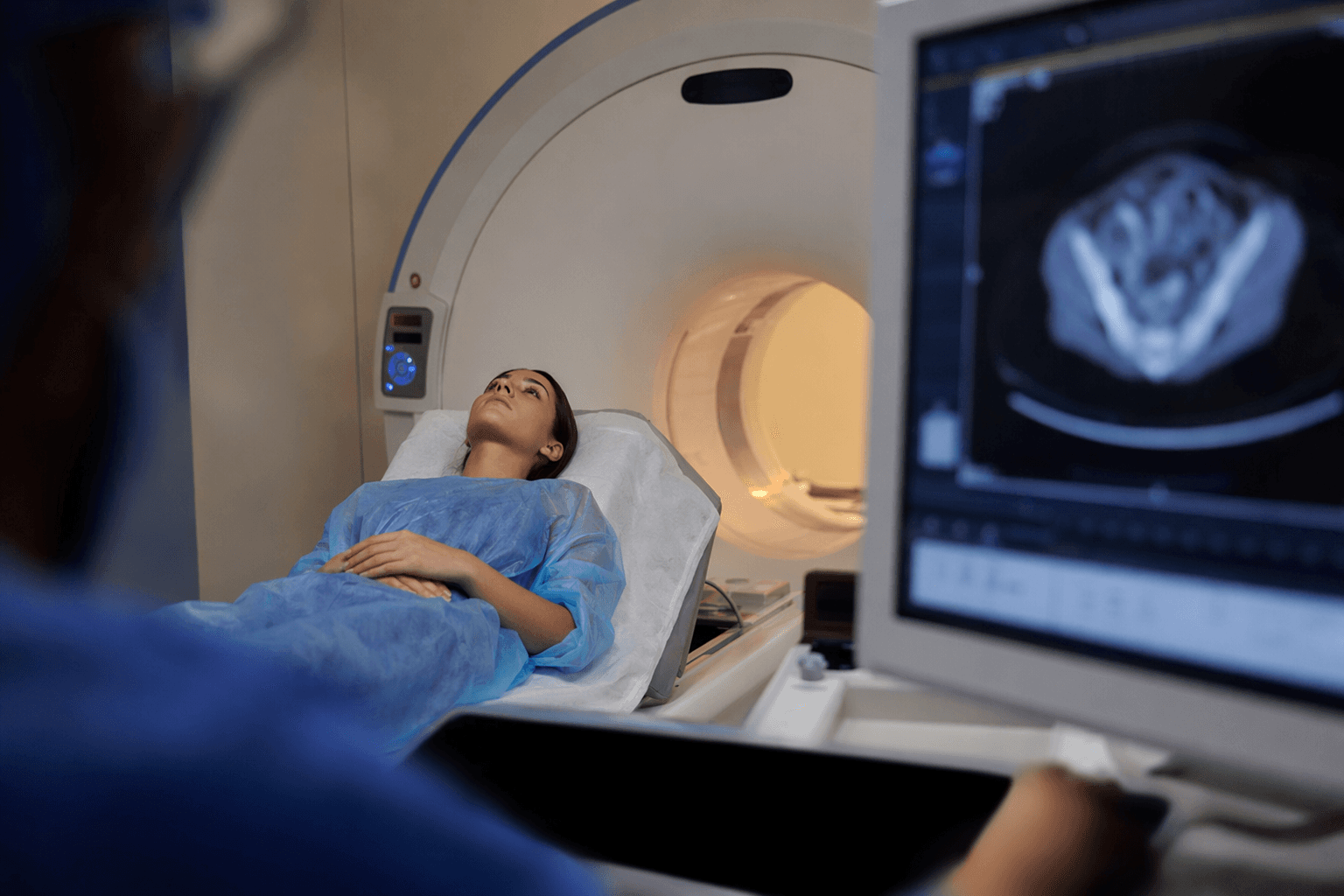
Endometriosis still leaves many women waiting years for answers, with pain, infertility concerns and repeat appointments piling up before the disease is named. Endometriosis UK says the average time to diagnosis in the UK has reached 9 years and 4 months, up from 8 years in 2020, while global estimates put the condition at about 10% of women and girls of reproductive age, or roughly 190 million people worldwide.
That long delay is part of what makes a new imaging approach from Oxford significant. In a phase 2 study led by the University of Oxford’s Nuffield Department of Women’s & Reproductive Health and Serac Healthcare Limited, researchers used a molecular tracer called 99mTc-maraciclatide with SPECT-CT scanning to look for inflammation and new blood vessel growth linked to endometriosis. The technique was designed to detect disease that conventional scans can miss, especially superficial peritoneal endometriosis, the earliest and hardest-to-detect form of the condition.
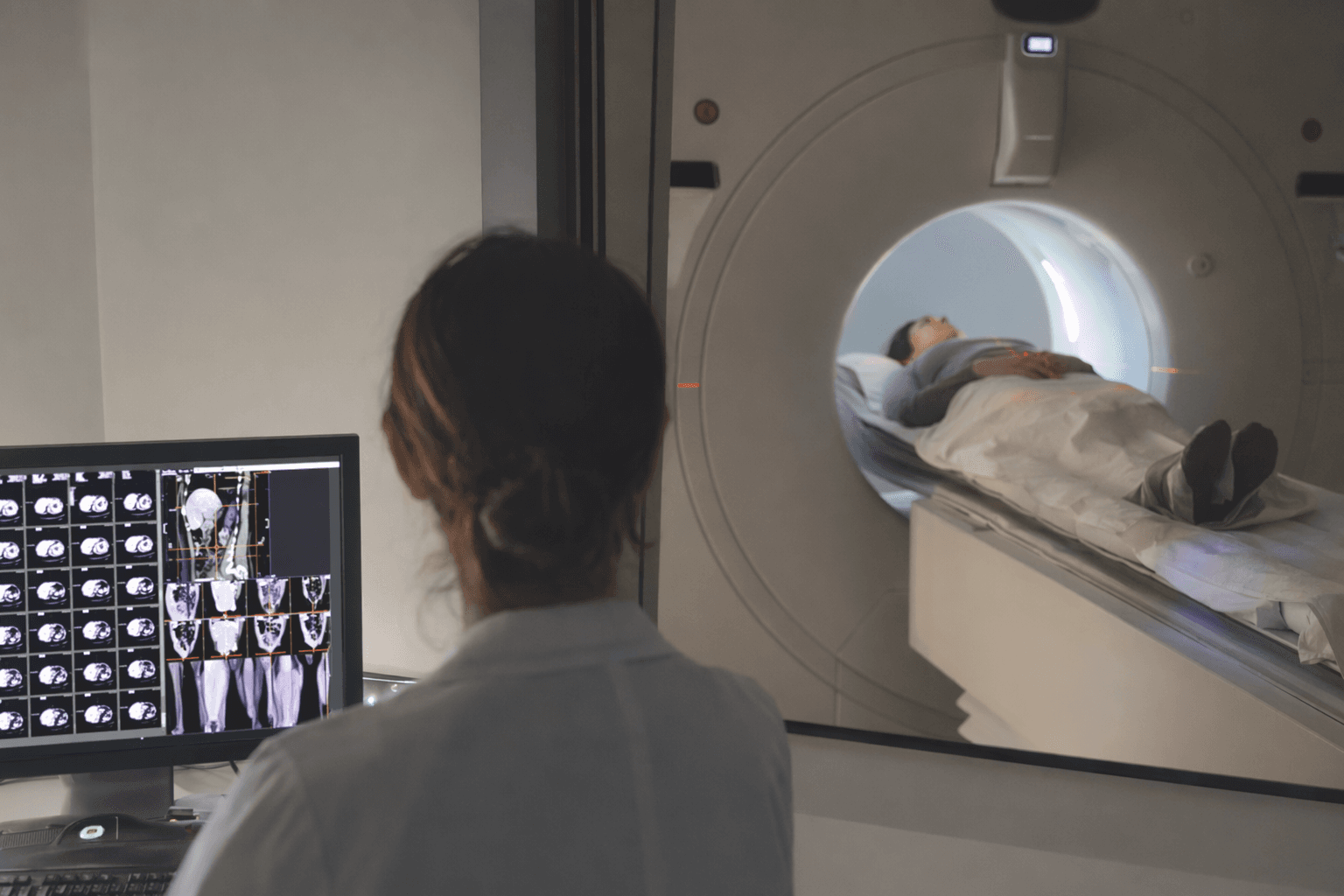
The DETECT study recruited 20 women. Nineteen completed the trial, and 17 went on to laparoscopy after the scan, which served as the surgical reference standard. Across the completed cases, the scan technique correctly identified the presence or absence of endometriosis in 16 of 19 women, an accuracy rate reported at 84%. The researchers said the method may be particularly useful for spotting superficial disease that tends to evade standard imaging.
The result is promising, but it sits at an early point in the evidence chain. Phase 2 data from a small, single-centre study can show whether a test is worth pursuing; it cannot yet establish how the scan would perform across broader, more diverse patient groups, or whether it would consistently replace surgery in routine care. Before patients see faster diagnoses in clinics, the method would need larger studies, external validation and a clear pathway into NHS practice, including decisions on access, cost and how it would fit alongside ultrasound, MRI and specialist assessment.
Pressure for better diagnostics has intensified as professional bodies push for earlier detection. The Royal College of Obstetricians and Gynaecologists said the rise in diagnosis time is unacceptable and called for sustained investment in research, faster tools such as ultrasound and biomarkers, and better treatment access. The American College of Obstetricians and Gynecologists also updated its guidance in March 2026 to include clinical, imaging and surgical evaluation, underscoring a wider shift toward earlier and less invasive diagnosis. For now, the Oxford scan offers a credible signal that some of the hidden disease behind years of pain may become easier to find.
This article was produced by Prism’s automated news system from verified source data, official records, and press releases, then run through automated quality and moderation checks before publishing. The system is built and supervised by the people who set the standards it runs under. Read our full AI policy.
Did this article answer your question?


