New solar telescope image reveals hidden plasma-mixing instability
A 416 nm image from the Inouye telescope exposed plasma whirlpools on the Sun’s surface. The detail could sharpen forecasts of solar storms that threaten satellites and grids.
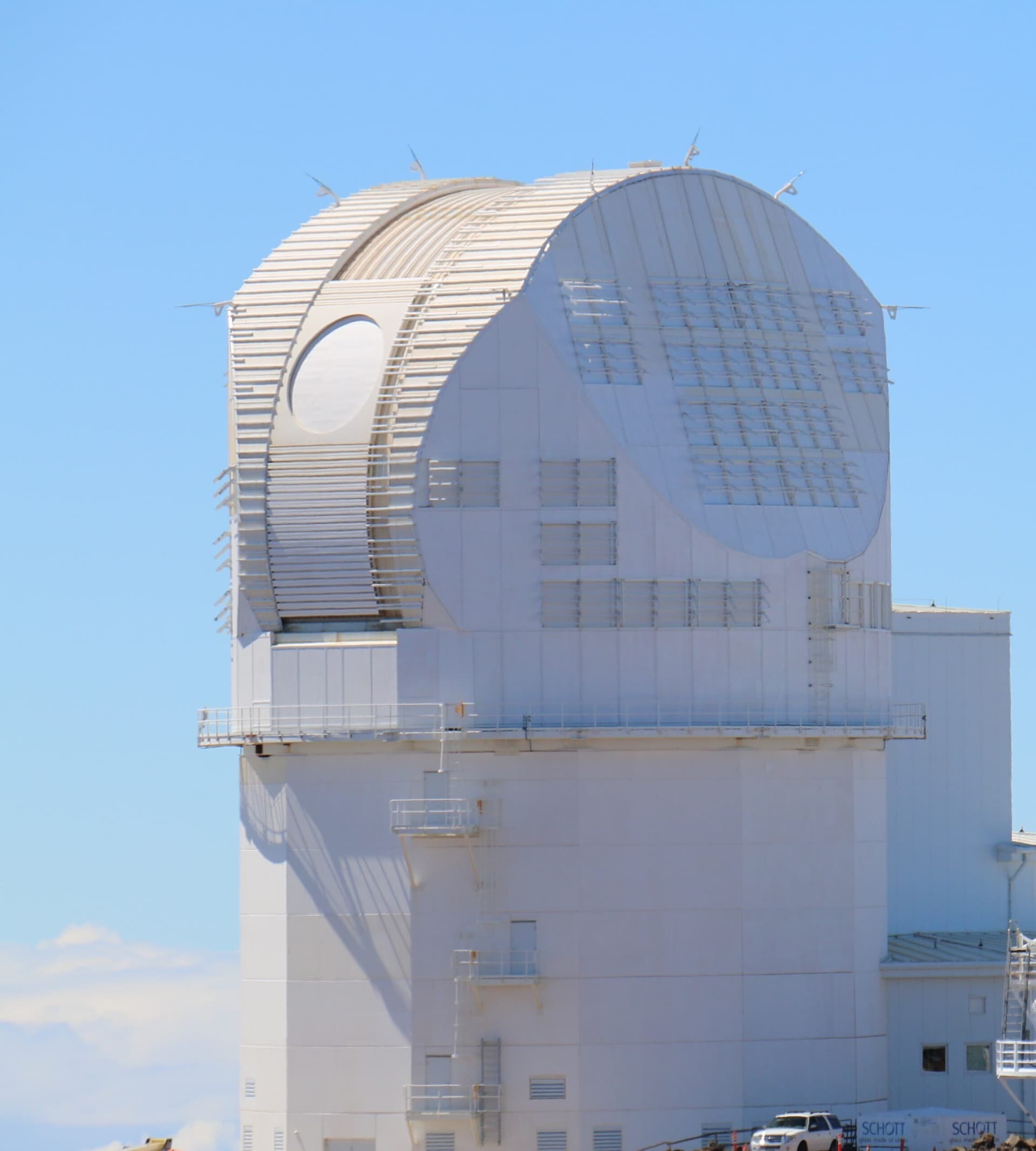
NASA’s Astronomy Picture of the Day featured the sharpest image ever obtained of the Sun on Aug. 6, and the frame, taken with the NSF Daniel K. Inouye Solar Telescope, exposed a hidden instability in the star’s visible surface. The image was made in visible light at 416 nm and shows Kelvin-Helmholtz turbulence, the kind of tiny whirlpool-like motion that can mix plasma and reshape magnetic fields.
The result landed a day after Nature published Ubiquitous Kelvin-Helmholtz instabilities driving plasma mixing on the Sun. That paper argues that these instabilities are widespread on the Sun, not rare anomalies, and the new observations point to deformed boundaries of magnetic elements and ultra-fine-scale stripes associated with the process. Those fine structures matter because they show how magnetic energy moves and concentrates across the photosphere, where eruptions begin to take shape.
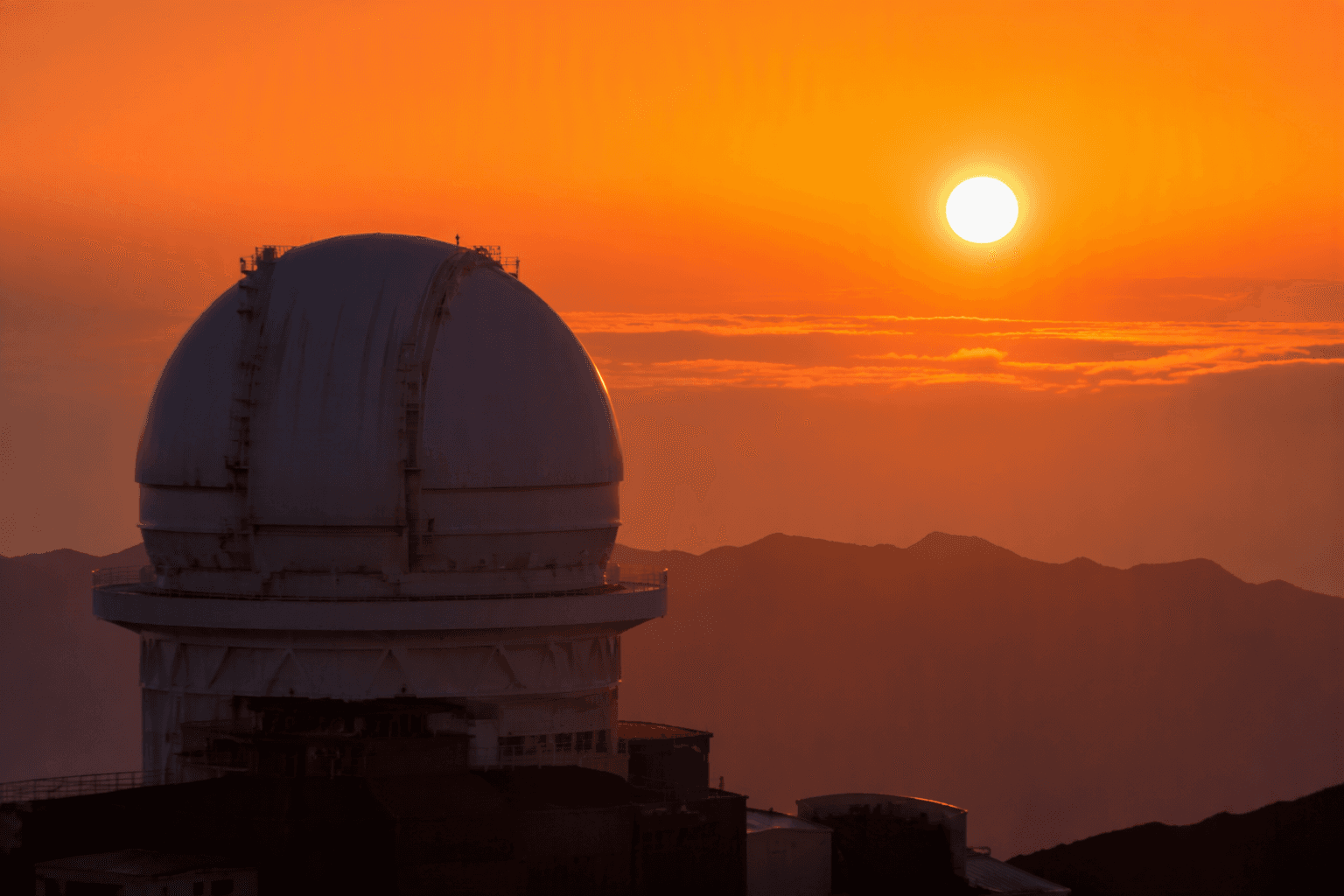
The National Solar Observatory and the National Science Foundation cast the finding as a major breakthrough in solar physics because it reaches a level of detail that had not been seen on the Sun’s surface before. The NSF Inouye Solar Telescope, a four-metre instrument on Maui, Hawaii, is described as the world’s most powerful solar telescope, and its high-resolution view is now giving researchers a clearer picture of how solar plasma mixes, twists and destabilizes. That is not only an image problem. Better measurements of surface instabilities feed directly into models of solar storms that can disrupt satellites, damage power grids, degrade GPS signals and complicate aviation routes.
The new photospheric observation also fits into a longer scientific record. NASA’s Solar Dynamics Observatory captured Kelvin-Helmholtz-like vortices in the solar corona during an eruption that began at about 2:30 UT on April 8, 2010, and a 2018 review in Space Science Reviews laid out open questions and future directions for the field. What changed now is scale and location: the instability has been pinned to the Sun’s visible surface at unprecedented resolution, giving forecasters a better way to track how magnetic disturbances grow before they reach Earth.
This article was produced by Prism’s automated news system from verified source data, official records, and press releases, then run through automated quality and moderation checks before publishing. The system is built and supervised by the people who set the standards it runs under. Read our full AI policy.
Did this article answer your question?