New student loan limits and repayment plan start July 1, 2026
Borrowers have until July 1 to lock in higher federal loan limits and review repayment options before new caps, RAP, and phasing-out plans reshape costs.
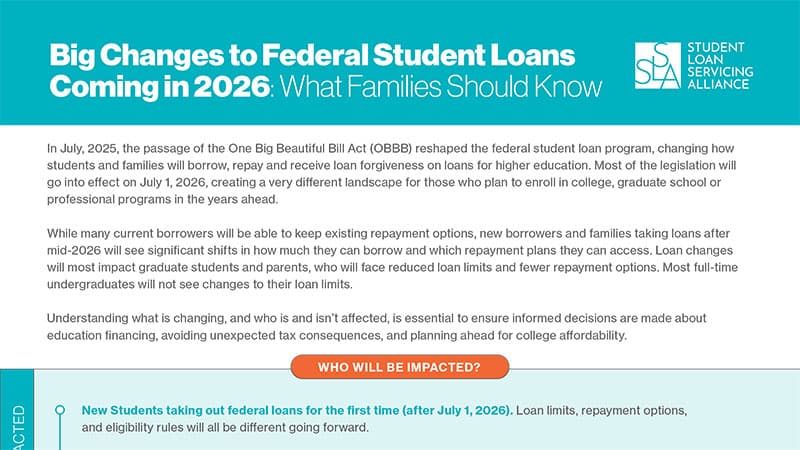
The next student-loan deadline is not abstract: after July 1, 2026, graduate borrowers will face a $20,500 annual cap and a $100,000 aggregate limit, professional borrowers will face a $50,000 annual cap and a $200,000 aggregate limit, and all borrowers taking new loans on or after that date will be subject to a $257,500 lifetime ceiling. The U.S. Department of Education says the changes are meant to simplify a repayment system that has become difficult to navigate and to curb borrowing before balances climb higher.
The first decision is whether to borrow before the cutoff. Waiting can mean losing access to the current borrowing structure, especially for graduate and professional students who have been able to borrow up to the cost of attendance. For anyone planning advanced study, the timing is now concrete: borrow before July 1 and existing rules may apply to that debt, wait until after and the new limits do. Parents using Parent PLUS loans also face new limits, adding another reason to compare costs before the month ends.

The second decision is whether you qualify for the interim exception the Education Department outlined for borrowers already in school. Under that guidance, eligibility depends on whether a student was enrolled in a program as of June 30, 2026 and received a Direct Loan for that program before July 1. Missing that window could mean losing the chance to be treated under the older borrowing terms for that program, a difference that matters most for students already deep into a degree path.

The third decision is whether to sort out repayment now or wait for the new Repayment Assistance Plan, which the department says will be available beginning July 1. Existing Income-Contingent Repayment plans are being phased out, and the department has said it is also simplifying the broader patchwork of repayment options. That transition is especially important for the 7.5 million borrowers the department directed to exit SAVE after the plan was declared unlawful. For borrowers already juggling monthly bills, a delayed move can mean getting caught between plans just as servicing systems shift.
The fourth decision is what to do if you are already in default. The department says involuntary collections are being delayed while the overhaul rolls out, giving defaulted borrowers more time to evaluate the new repayment options. That pause is a temporary cushion, not a reset. With federal student loan debt above $1.3 trillion and about one in seven borrowers defaulting within three years of entering repayment, the next few weeks will determine who enters July with a workable plan and who enters it at greater risk of falling behind.
This article was produced by Prism’s automated news system from verified source data, official records, and press releases, then run through automated quality and moderation checks before publishing. The system is built and supervised by the people who set the standards it runs under. Read our full AI policy.
Did this article answer your question?