New study says even one drink a day raises health risks
Even one drink a day raised risk in a new U.S. study, and researchers said the long-held idea that moderate drinking is harmless does not hold up.

One drink a day is enough to raise health risks, according to a new analysis that adds pressure to the familiar idea that moderate drinking is safe. The study found that moderate alcohol use increased the chance of early death and was tied to more than 200 diseases, including cancer and heart disease, sharpening a public-health message that is already moving toward “less is better.”
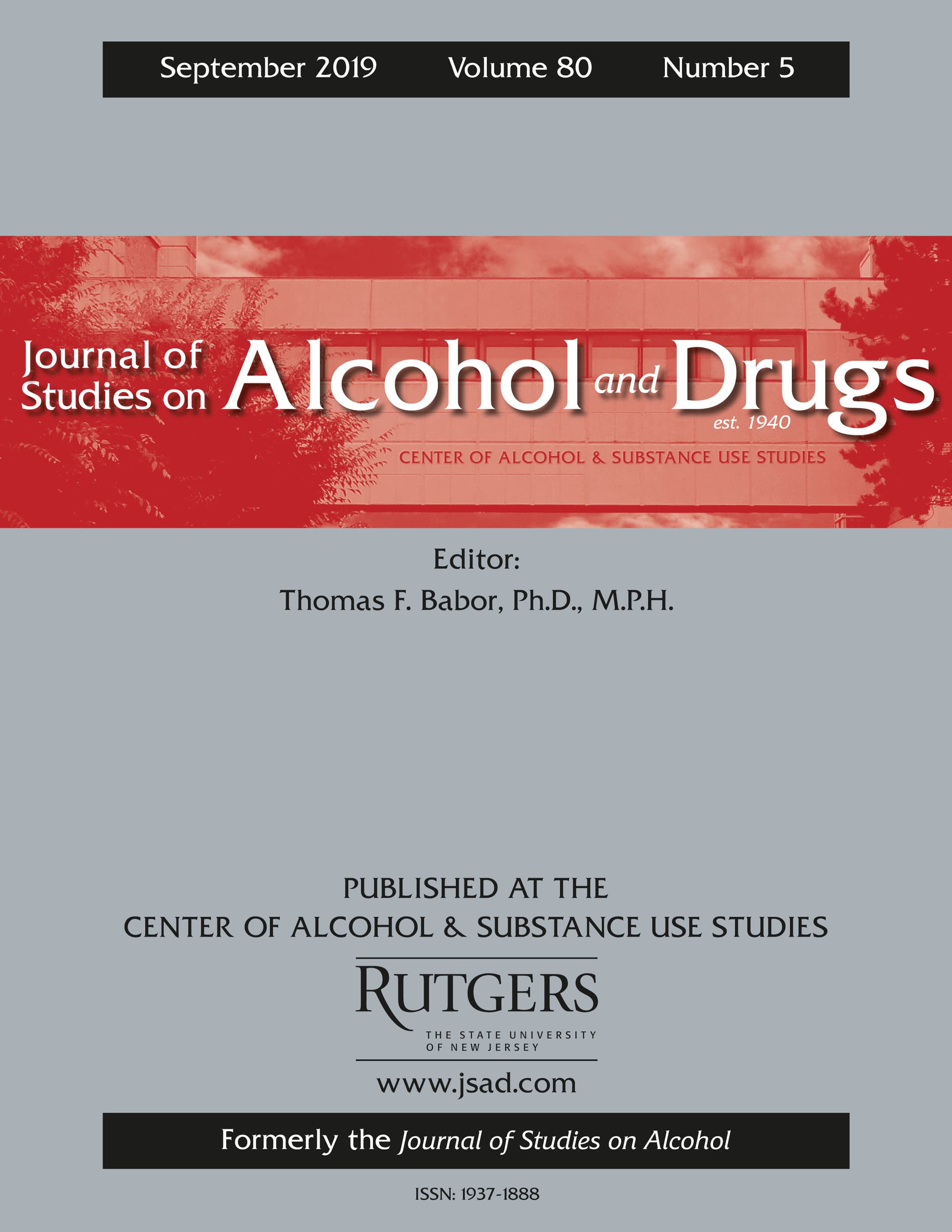
Published June 8 in the Journal of Studies on Alcohol and Drugs, the paper was described by Katherine Keyes of Columbia University as “the most comprehensive U.S. estimate to date of alcohol-attributable lifetime mortality and morbidity risks.” Timothy Naimi of the University of Victoria said the evidence supports the idea that “less is best,” while arguing that public guidance needs concrete quantities if it is going to be useful to consumers. That matters because alcohol risk is not abstract: in the study materials that circulated publicly, the estimated lifetime risk of an alcohol-attributable death rose above 1 in 1,000 at more than 7 drinks a week for men and more than 6.5 drinks a week for women, and above 1 in 100 at more than 8.5 drinks a week for both sexes.
The findings land in the middle of a political fight over how direct federal advice should be. The Biden administration commissioned the study to help inform dietary guidance, but the Trump administration did not include it in the final 2025-2030 Dietary Guidelines for Americans. Those guidelines, released Jan. 7, 2026, removed the old numeric alcohol limits for women and men and instead say to “consume less alcohol for better overall health” and to “limit beverages.” They also advise some groups to avoid alcohol completely, including pregnant women and people with alcohol use disorder or medical conditions that can interact with drinking.
Public-health agencies have been moving in the same direction. The Centers for Disease Control and Prevention says drinking less is better for your health than drinking more, and that even low levels of alcohol use, less than one drink per day, can raise the risk of certain cancers. The National Cancer Institute says a standard U.S. drink contains 14 grams of pure alcohol, which equals about 12 ounces of beer, 5 ounces of wine, or 1.5 ounces of 80-proof liquor. That standard matters because “one drink” is often looser in practice than in policy.

The cancer concern is not new. The World Health Organization says alcohol was classified as a Group 1 carcinogen by the International Agency for Research on Cancer in 1988 and causes at least seven cancers. A 2024 advisory from the U.S. Department of Health and Human Services said cancer risk for some sites, including breast, mouth and throat cancers, may begin to rise around one or fewer drinks per day. For doctors, patients and families weighing routine drinking against long-term harm, the newest data push the debate toward a simpler conclusion: even small amounts are not risk-free, and federal advice may keep tightening.
This article was produced by Prism’s automated news system from verified source data, official records, and press releases, then run through automated quality and moderation checks before publishing. The system is built and supervised by the people who set the standards it runs under. Read our full AI policy.
Did this article answer your question?