New York bill would force printers to block 3D-printed ghost guns
New York proposed rules would require printer makers to block printing of guns and criminalize sharing files that enable firearm fabrication. The move targets untraceable 3D-printed weapons and aims to cut easy access.
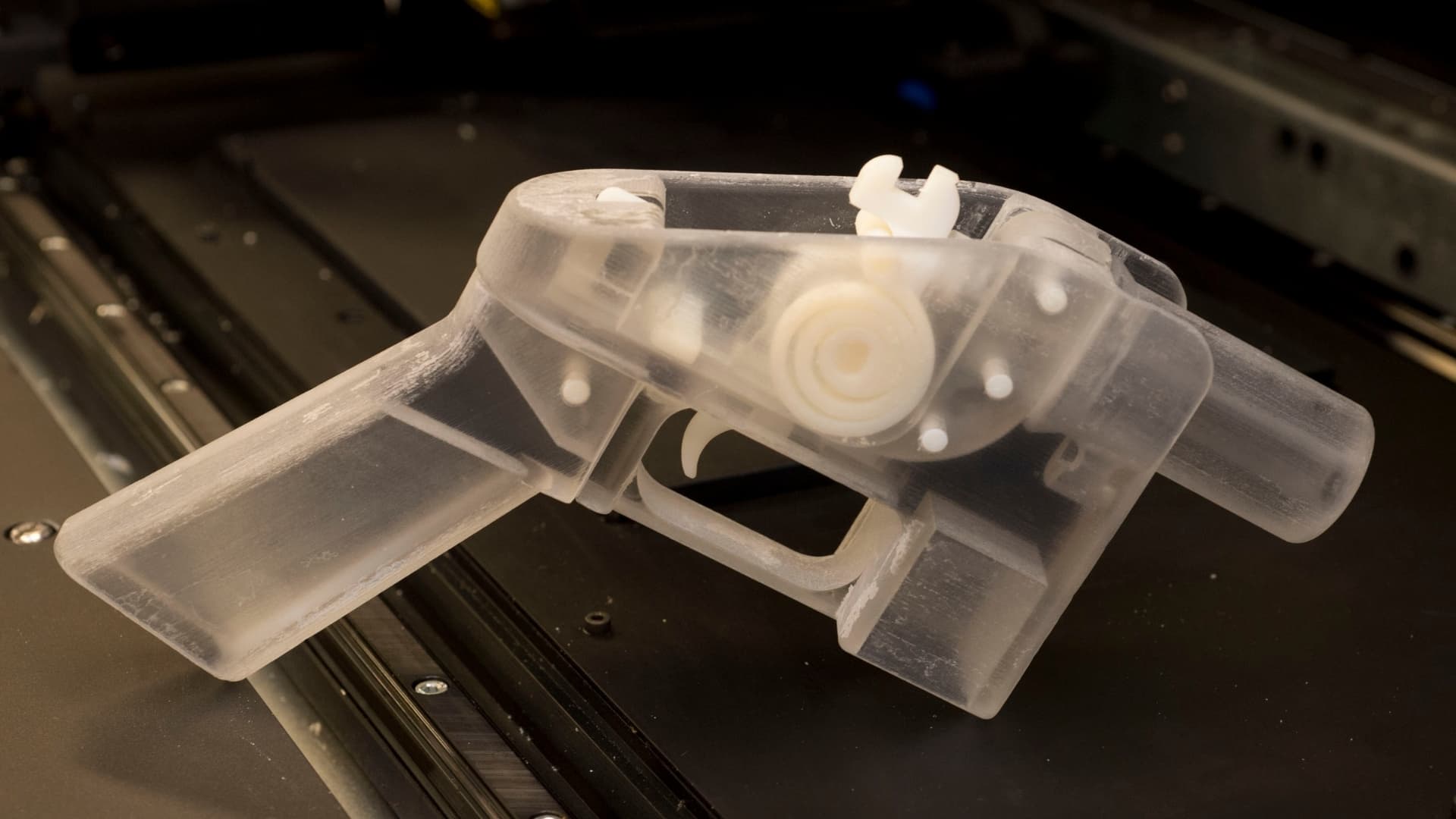
New York moved to reduce the spread of untraceable "ghost guns" produced on home 3D printers by publishing a legislative proposal that would compel printer manufacturers to build safeguards into hardware and software. The proposal, released January 15, 2026, would require measures to block printing of whole firearms or key gun parts, criminalize unauthorized sharing or possession of digital print files that enable firearms, and establish a statewide reporting requirement for recovered 3D-printed weapons.
The text calls for technical barriers at the device and software level, pushing manufacturers and platform operators to prevent slicers, firmware, or on-board controls from executing files identified as weapon components. It also targets the downstream ecosystem: distribution of STL or other machine-ready files for firearms would be a criminal offense in many cases, and recovered 3D-printed firearms would be logged into a state database to track designs and parts seen in the field. Another provision aims to force commercial gunmakers to design products so they are harder to convert to full-auto using 3D-printed components.
For the maker community, the proposal has immediate practical implications. Expect pressure on OEMs to ship locked or restricted firmware updates and for major slicer and file-hosting services to adopt stricter content controls. Local print shops and makerspaces will likely need new policies around file handling and client projects. Individuals who share or host STL files for functional parts should review their practices now, as possession or distribution of firearm-enabling files could carry criminal penalties under the proposed language.
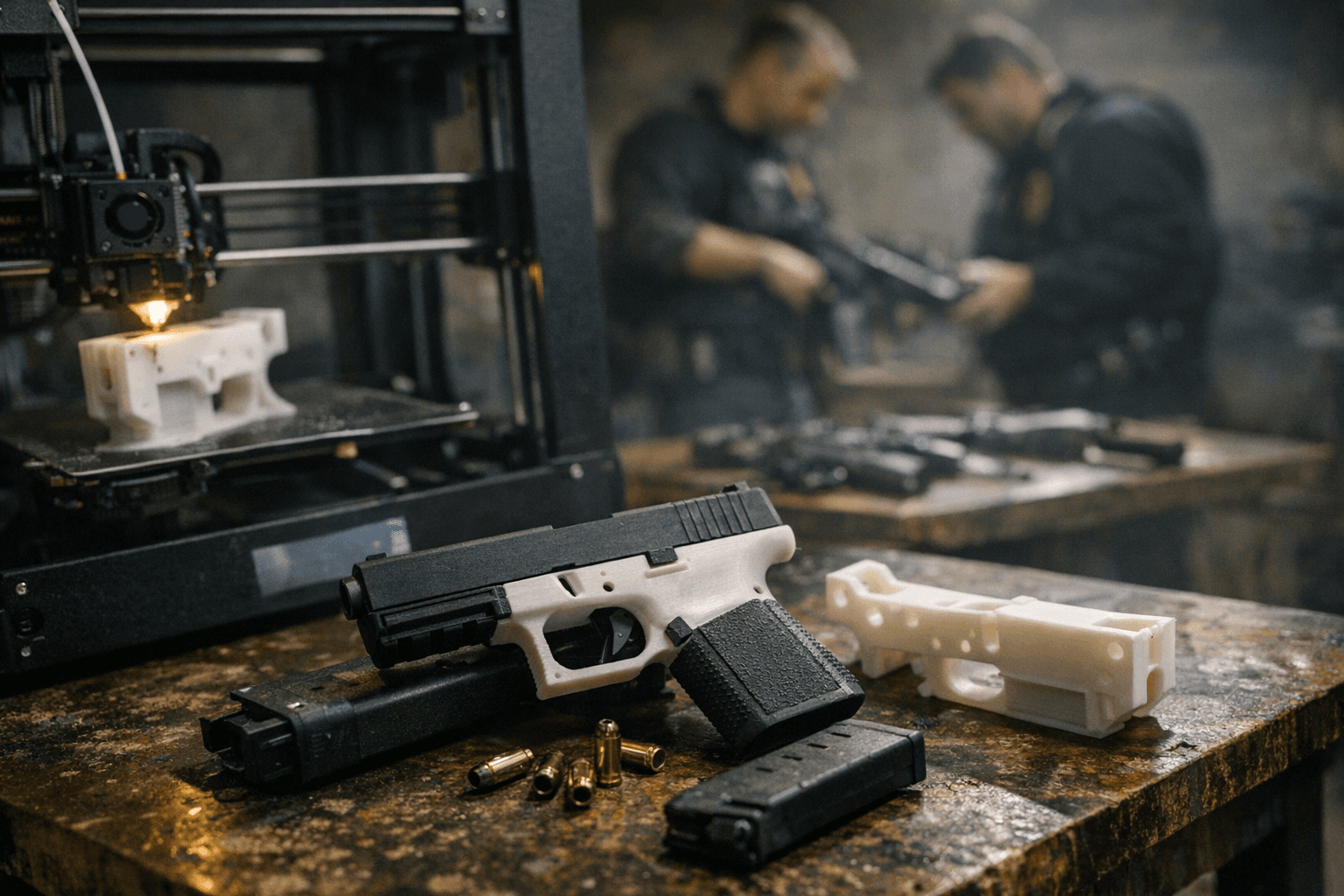
Supporters say the measures respond to a string of high-profile incidents involving 3D-printed weapons and close an avenue for anonymous, untraceable firearms. Critics warn enforcement will be technically and legally difficult: open-source firmware, DIY controller boards, peer-to-peer file sharing, and cross-jurisdictional hosting complicate any attempt to fully block access. The proposal’s effectiveness will hinge on whether manufacturers, open-source communities, and courts accept technical mandates that touch firmware and design openness.
What comes next for the community is a fast-moving policy and technical debate. Watch firmware and slicer changelogs, update procedures from printer manufacturers, and local rules at makerspaces. If enacted, the law will reshape how the community manages design files and device security, so stay informed and factor legal risk into how you store, share, and print potentially regulated parts.
Know something we missed? Have a correction or additional information?
Submit a Tip