Helio Additive Boosts PCTG Print Speed and Strength With Physics-Based Optimization
Helio Additive's physics-based thermal engine unlocked faster, stronger prints from 3D-Fuel's Pro PCTG by overriding the conservative default profiles holding the material back.
If you've been sleeping on PCTG, Helio Additive just gave you a reason to pay attention. The startup published a Pro PCTG case study showing that its thermal simulation engine could squeeze significantly better performance out of 3D-Fuel's Pro PCTG filament, a material that's been flying under the radar despite genuine advantages over PETG.
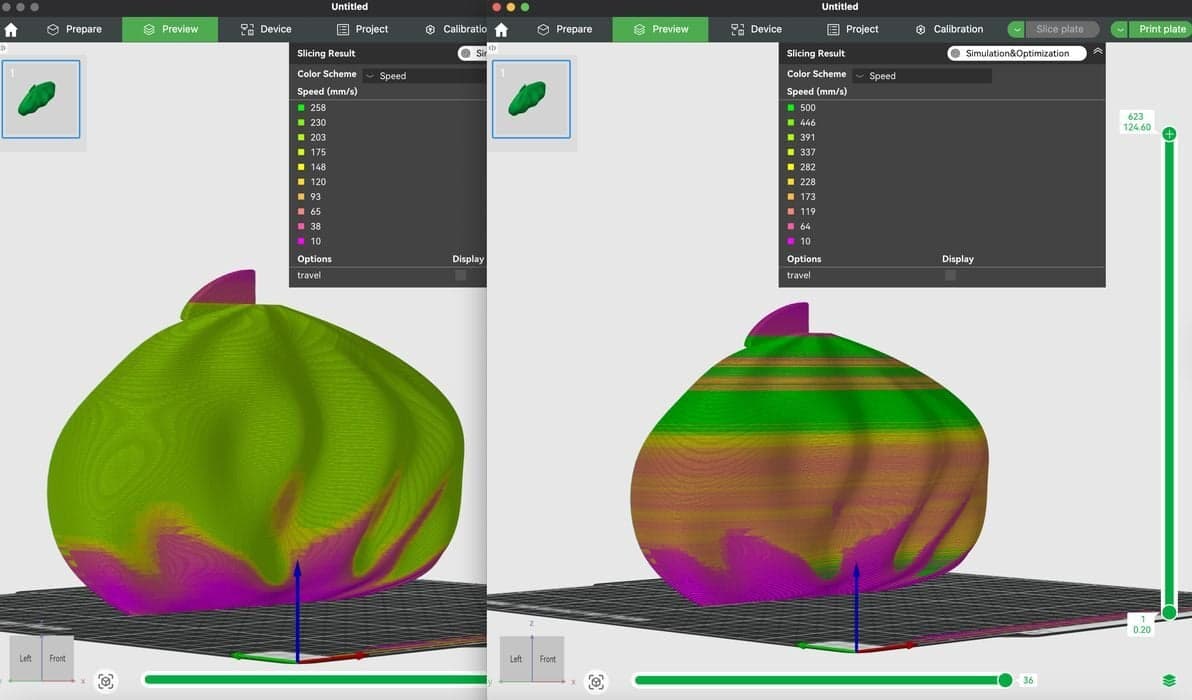
The core finding is blunt: "Conservative default profiles were limiting both speed and strength. Helio tightened thermal control so Pro PCTG runs hotter and more consistently, delivering stronger parts at faster speeds." The case study visuals show Bambu Studio views of Sub250 drone parts and photos of a printed drone body alongside test specimens, which gives you a sense of the application space Helio is targeting.
For anyone unfamiliar with PCTG, Kerry Stevenson at Fabbaloo laid out the case plainly in a February 9, 2026 piece covering the partnership: "It's chemically similar to PETG, but is a much superior material that warps less, has more strength, chemical and thermal resistance, and prints more easily." The supply picture is still thin, with Fiberlogy covering Europe and 3D-Fuel handling North America, which makes 3D-Fuel's integration here more significant. The company claims to be the first US filament supplier integrated with both Helio Additive and Bambu Studio.
That integration is the mechanism behind the whole thing. Helio's approach involves calibrating its simulation engine to specific machine-material pairs, then running thermal analysis voxel by voxel through the entire print job. Stevenson described the underlying method: "They have developed a powerful simulation algorithm that analyzes 3D print builds voxel by voxel, simulating thermal flow as the print proceeds. By doing so, they are able to accurately predict many problems in the resulting parts." The collaboration with 3D-Fuel adds validated Pro PCTG material data to that engine, enabling it to predict and mitigate heat-related issues for parts printed in Bambu Studio specifically.
Helio splits its offering into two services. Assess runs the simulation and delivers what the company calls engineering-grade diagnosis of potential defects; it's available to everyone at no charge. Enhance takes that assessment and automatically adjusts print parameters for optimized results, available through a paid subscription with a free trial option. The 3D-Fuel integration builds on Helio's prior work getting its simulation tools embedded directly into Bambu Studio, so the workflow stays inside the slicer rather than requiring a separate platform.
One caveat worth flagging: the case study language is qualitative. Helio describes "stronger parts at faster speeds" without publishing the underlying tensile data, baseline temperatures, or time comparisons. Hands-on coverage from Fabbaloo took place during the March 10-15 timeframe, which should eventually produce independent numbers to put behind those claims. Until that data surfaces publicly, the Pro PCTG case study reads as a compelling proof-of-concept that still needs hard metrics to fully back it up.
This article was produced by Prism’s automated news system from verified source data, official records, and press releases, then run through automated quality and moderation checks before publishing. The system is built and supervised by the people who set the standards it runs under. Read our full AI policy.
Did this article answer your question?