New York expands drone shark patrols ahead of beach season
New York added 16 drones to its shark patrol fleet, bringing Long Island’s peak-season total to 46 as 47 operators are certified and 20 more train by July 4.
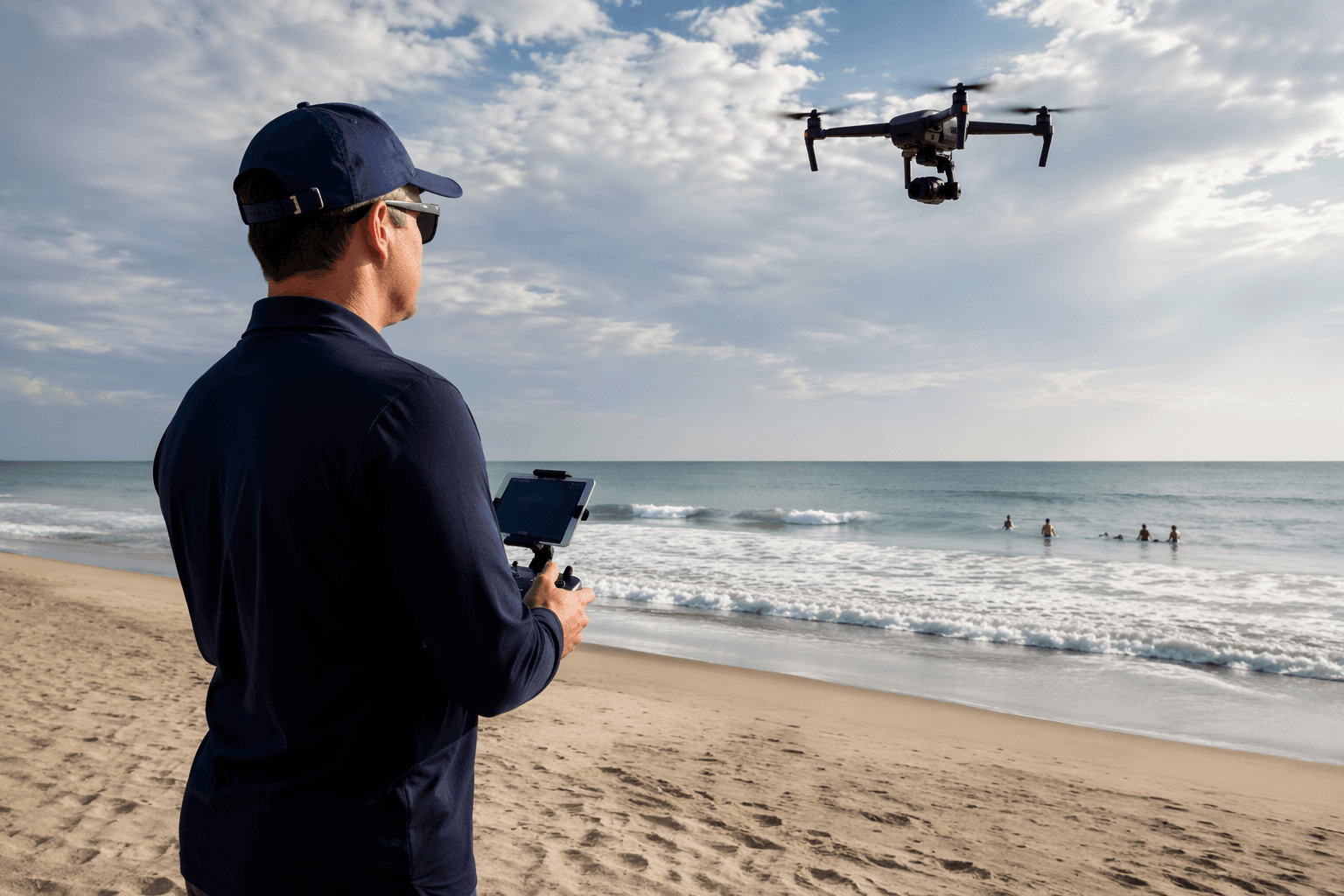
New York is putting 16 more drones into service along Long Island State Park beaches, expanding the state’s shark-monitoring fleet to 46 drones for peak season. Gov. Kathy Hochul announced the expansion on May 21. Forty-seven drone operators were already certified and another 20 were expected to finish certification by July 4.
The drones are used by lifeguards, park police and other staff to scan for sharks and for large schools of fish that can draw them closer to swimmers. When a shark sighting or interaction is reported at a state beach, swimming is immediately suspended and all swimmers are cleared from the water. The alert also reaches the Long Island Coastal Awareness Group, a network of more than 200 people from municipalities, agencies and private beach operators from Queens through Long Island.
A 20-year-old woman was likely bitten by a juvenile sand tiger shark at Jones Beach State Park in late June, prompting a temporary closure. In New York City, drone patrols repeatedly spotted sharks off Rockaway Beach in early July, leading to several temporary shutdowns; nine sightings and 12 hours of closures followed over that stretch.
Aerial cameras can cover more water than a single lifeguard stand, detect activity farther offshore and give managers a faster read on whether a dark shape in the surf is a shark, a bait ball or something else. Drones add another layer of observation when beaches are crowded.
The New York State Department of Environmental Conservation expects shark activity in nearshore waters to increase during June through September, the annual summer migration period along the coast.
This article was produced by Prism’s automated news system from verified source data, official records, and press releases, then run through automated quality and moderation checks before publishing. The system is built and supervised by the people who set the standards it runs under. Read our full AI policy.
Did this article answer your question?