New York Eyes Luxury Second-Home Tax as London Warns of Fallout
New York moved to tax $5 million-plus second homes, betting on $500 million a year while London’s warning still lingered over the luxury market.
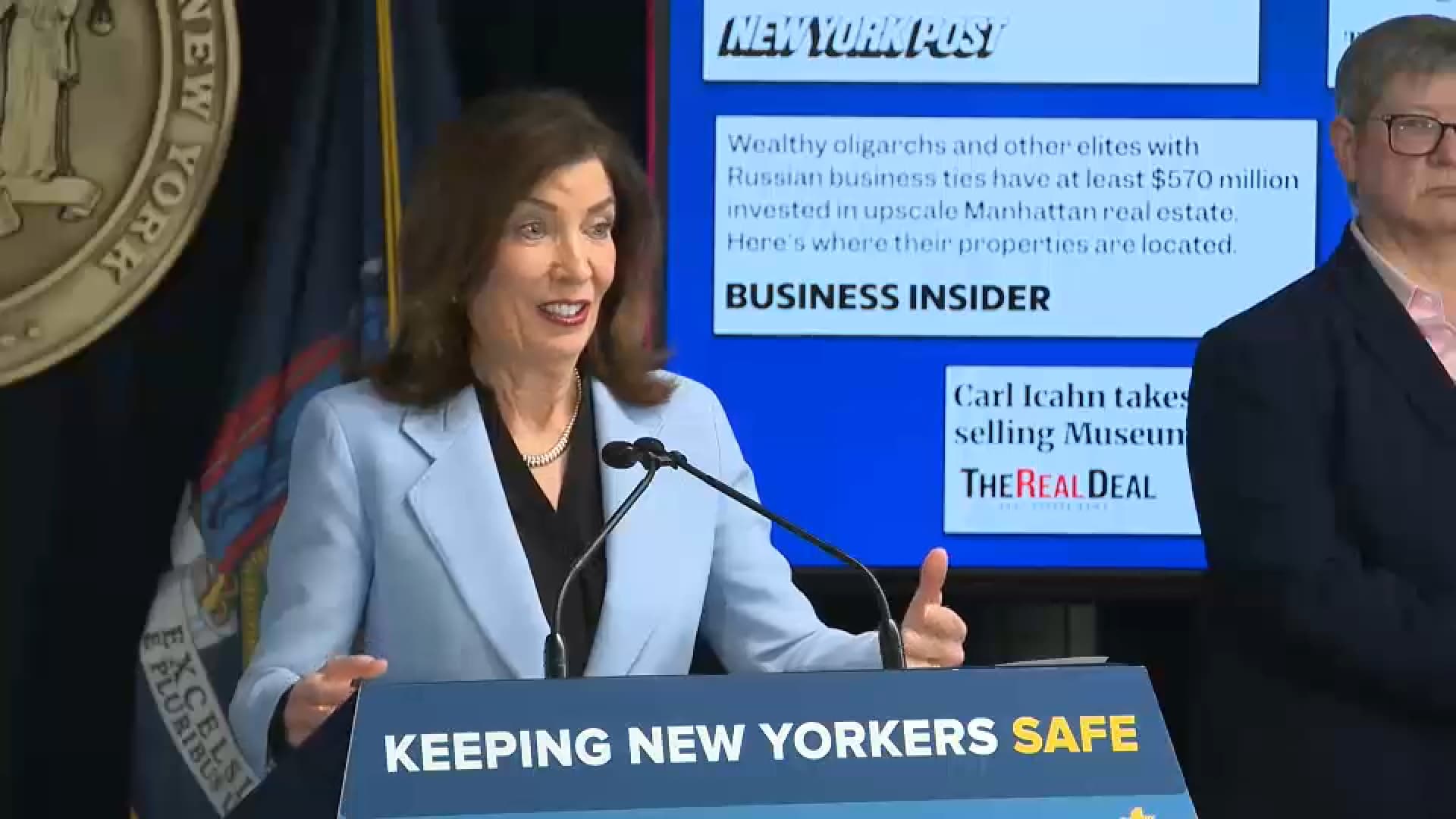
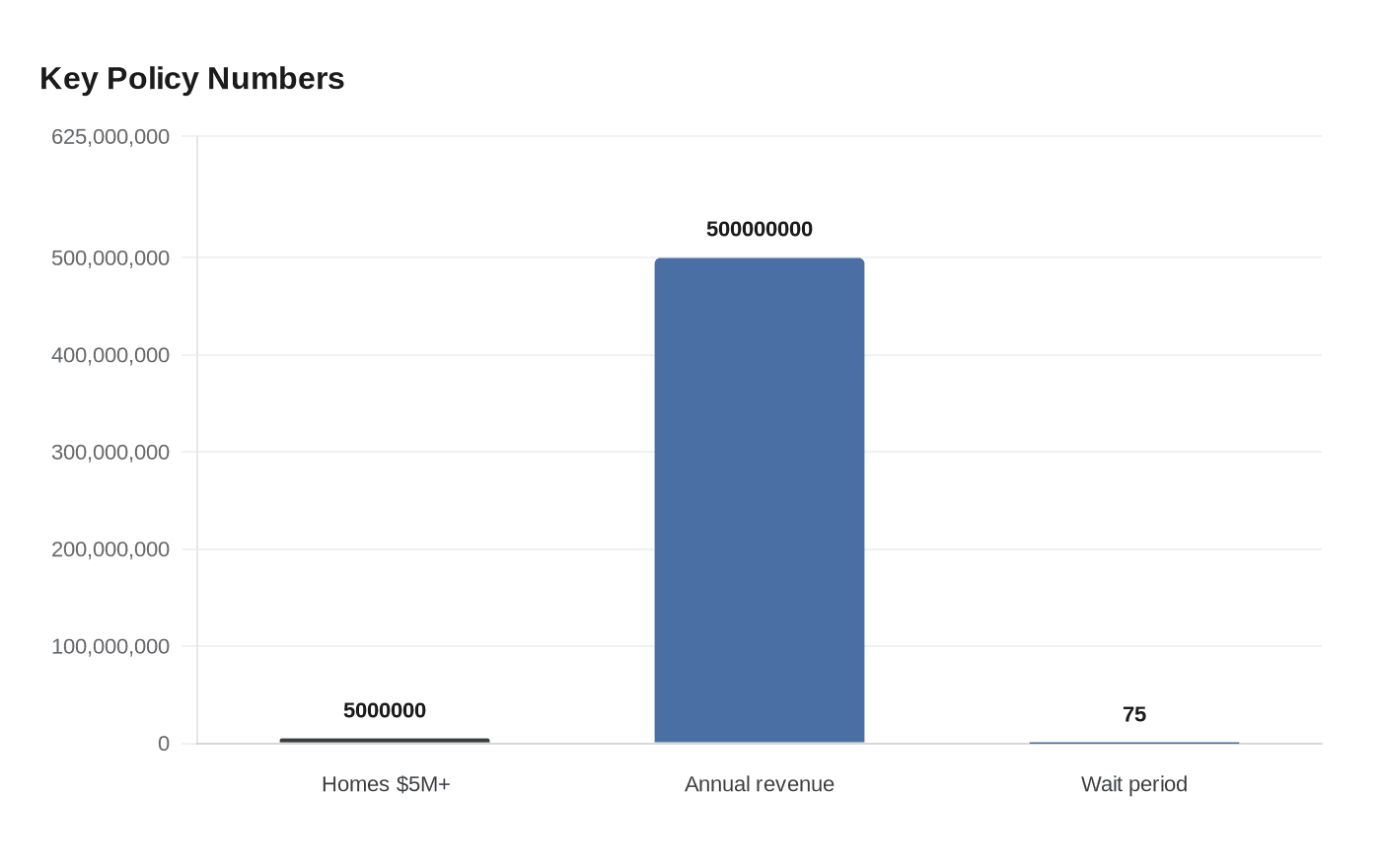
London had become the warning sign as New York moved to test whether taxing wealthy second homes would cool a top-end market or simply change who pays to hold it. On April 15, Gov. Kathy Hochul announced a pied-à-terre tax for New York City homes valued at $5 million or more, giving the city authority to levy a yearly surcharge on non-primary residences and projecting at least $500 million in recurring annual revenue to help close the city’s budget gap.
Hochul cast the proposal as a narrow measure aimed at ultrawealthy non-New York City residents, not everyday New Yorkers. The tax would apply only to residential properties that are not the owner’s primary residence, making it a targeted charge on luxury owners who keep a second home in New York City while living elsewhere.

The proposal landed inside a broader housing debate that has already stretched through 2025. Hochul’s State of the State agenda also backed a separate push to make homebuying easier for families by discouraging institutional investors from buying one- and two-family homes across New York State. State housing officials later said covered investors would face a 75-day waiting period before they could make offers on or buy those homes.
Taken together, the policies show Albany drawing a sharper line between speculative capital and owner-occupied housing. The second-home surcharge would hit a very different slice of the market than the investor restrictions on one- and two-family houses, but both reflect the same political goal: pushing housing policy toward residents who live in the homes they buy, rather than investors who treat property as a financial asset.
That is why London looms so large in the debate. Economists and real estate agents have treated its taxation of wealthy property owners as a cautionary tale, a reminder that a tax aimed at the luxury end can do more than raise revenue. It can alter who buys, who holds, and how much appetite remains for high-end property. In New York, the test will be whether a surcharge on pied-à-terres actually cools prices, shifts ownership patterns, or mainly adds another carrying cost for ultrawealthy buyers who can absorb it. If the city collects the projected $500 million, the tax will quickly become a major budget tool. If it fails to change behavior, it will still redraw the political map of who is expected to pay for New York’s housing shortfall.
This article was produced by Prism’s automated news system from verified source data, official records, and press releases, then run through automated quality and moderation checks before publishing. The system is built and supervised by the people who set the standards it runs under. Read our full AI policy.
Did this article answer your question?