Canada braces for tough USMCA talks amid tariff standoff
Canada enters USMCA talks under tariff pressure, with steel, aluminum and autos at risk as Ottawa resists U.S. demands for concessions.
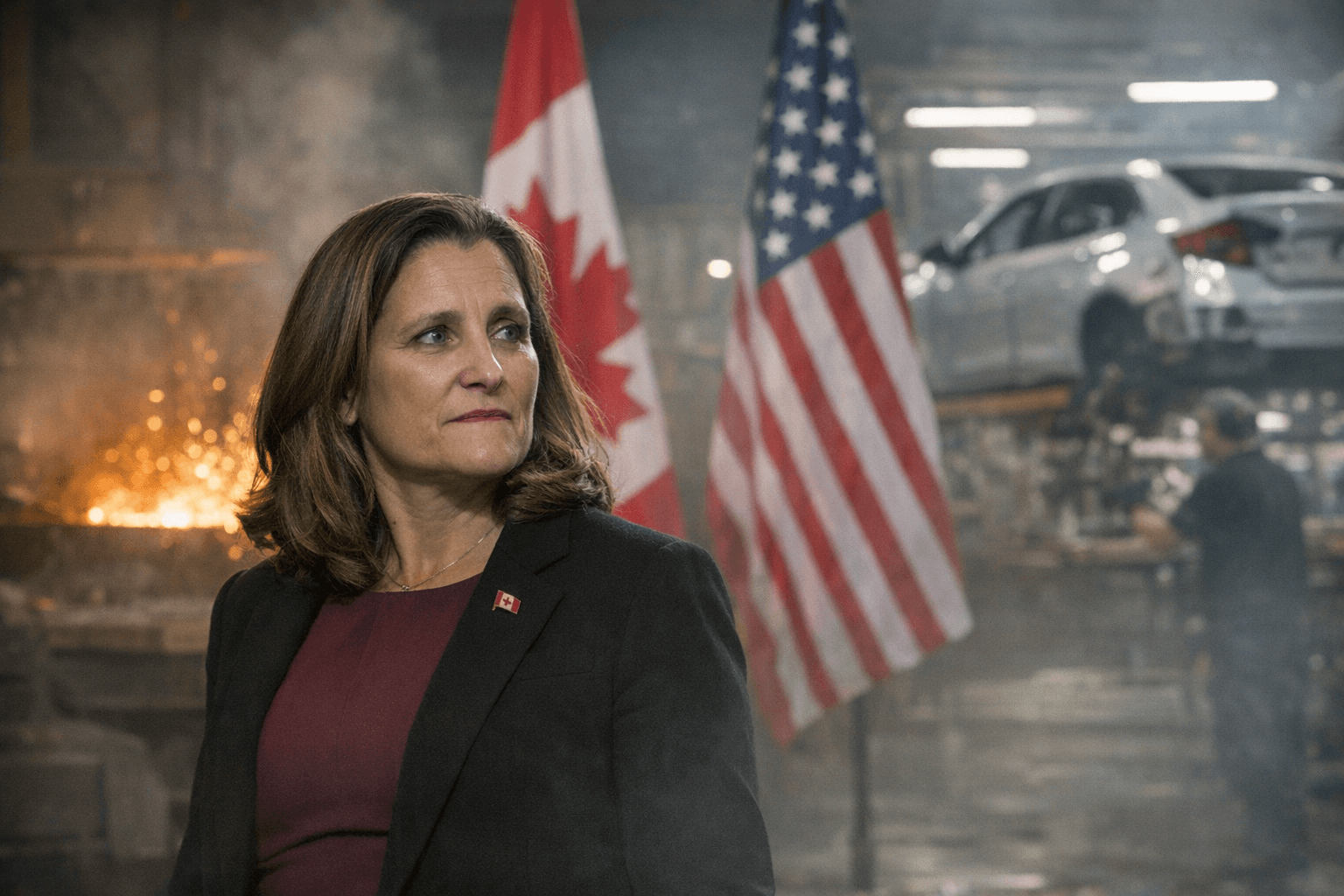
North American supply chains and U.S. consumers have the most at stake as Canada heads into a bruising USMCA review from a weaker position, with tariffs on steel, aluminum and autos already straining the cross-border flow of goods.
The three countries must decide by July 1 whether to keep the 2020 trade pact unchanged, reopen it, or move to annual reviews that would last until its 2036 expiry. Mark Carney, who won a majority government last week, has made the coming fight his central economic test and said Canada is “not a supplicant” that will let Washington dictate the terms. He has also said Canada must reduce its heavy reliance on the U.S. market.
The negotiations are unfolding after President Donald Trump imposed tariffs on key Canadian imports in 2025, a move that has made the review more volatile than a routine treaty checkup. Carney has singled out U.S. tariffs on Canadian steel, aluminum and autos as the main trade irritants, and he has said the United States has fundamentally changed its approach to trade, raising tariffs to levels not seen since the Great Depression. An international trade economist in Washington warned the talks would take place in an “incredibly difficult” environment.
Canada is also starting behind Mexico in the sequence of talks. Mexico has already held two rounds of discussions with the United States and is set to begin its first formal round of negotiations next month. No date has been announced for Canada’s talks, a gap that underscores Ottawa’s weaker position as the review clock ticks toward the July deadline.
The U.S. side has signaled it wants concessions before negotiations begin, with Canadian officials describing an American “entry fee” for talks. That demand raises the stakes for industries tied tightly to continental production, especially steel, aluminum and autos, where tariffs can quickly ripple through assembly lines, supplier contracts and prices paid by U.S. buyers. Any breakdown in the review would leave businesses facing the prospect of continued annual uncertainty rather than a stable agreement.
For Carney, the trade fight is now the defining challenge of his new government. Canada enters the talks determined to resist pressure, but the combination of tariffs, a compressed timetable and Washington’s hard line leaves Ottawa with limited room to maneuver as the future of North American trade comes into focus.
This article was produced by Prism’s automated news system from verified source data, official records, and press releases, then run through automated quality and moderation checks before publishing. The system is built and supervised by the people who set the standards it runs under. Read our full AI policy.
Did this article answer your question?