New York moves to ban potassium bromate in pizza and bagels
A bromate ban is poised to remake New York pizza and bagels, forcing bakers to choose between a classic chew and cleaner ingredients.
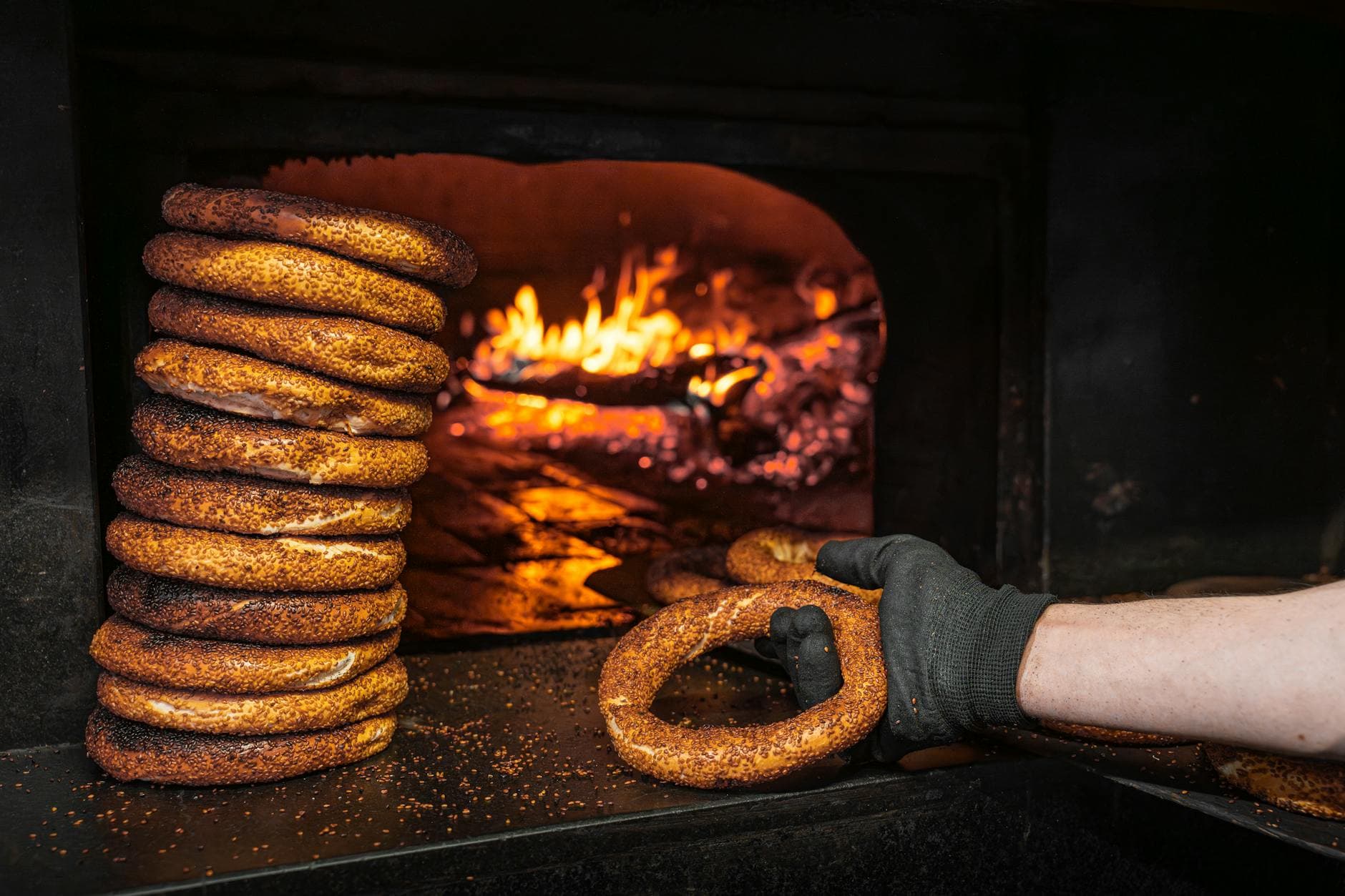
The fight over potassium bromate reaches directly into New York’s most recognizable foods: thin-crust pizza and bagels. Lawmakers have moved to ban the flour additive, setting up a clash between tradition and a public-health measure that could force long-overdue recipe changes across the state.
The Food Safety and Chemical Disclosure Act, sponsored by Sen. Brian Kavanagh and Assemblymember Dr. Anna Kelles, cleared the New York State Senate unanimously 60-0 on March 23, 2026, and later passed the Assembly 106-32 on April 21, 2026. It now awaits Gov. Kathy Hochul’s signature. The bill would bar foods manufactured, distributed or sold in New York if they contain red dye 3, potassium bromate or propylparaben, and it would also require companies to disclose certain GRAS, or generally recognized as safe, ingredients to state officials and a public database.
For bakers, the issue is not abstract. Salvatore Lo Duca, who runs Lo Duca Pizza in Brooklyn with his brothers, said he discovered that a key ingredient in the family’s thin-crust pies contained a suspected carcinogen already banned in much of the world. After more than a decade using the recipe handed down by his parents, he began testing a different flour and said the results changed his mind: “When we started playing around with a different flour, I actually took a liking to it,” he said, adding that the change was “a little more expensive, but the quality is there.”
That reaction captures the central uncertainty in New York’s food culture. Supporters of the bill argue the state is catching up with other jurisdictions that have already banned potassium bromate, including the European Union, China, India, Canada and, beginning next year, California. New York legislative materials also show the current version is narrower than the original 2024 seven-additive package, with the state now targeting a smaller set of substances.

Opponents in the baking world warn that the practical effects could be substantial. Industry critics say roughly 80% of New York pizza and bagel shops rely on bromated flour, and they argue that removing it could alter texture, raise costs and disrupt workflow. Pizza historian Scott Wiener called it “an earth-shaking event for New York pizza,” arguing that the ingredient is part of the city slice’s identity. Bagel shop owner Jesse Spellman said matching the same texture without the chemical shortcut would mean more labor, more testing and higher costs.
The regulatory backdrop is already shifting. Federal rules still allow potassium bromate in a narrow use for malting barley used in fermented malt beverages or distilled spirits, showing the compound remains on the U.S. Food and Drug Administration’s books even as New York prepares to restrict it in baked goods. The FDA says it assesses food-chemical safety and can review substances after products reach the market when outside petitions or new information warrant action. In New York, the decision now rests with Hochul, and the result could reshape what many diners think of as the classic New York bite.
This article was produced by Prism’s automated news system from verified source data, official records, and press releases, then run through automated quality and moderation checks before publishing. The system is built and supervised by the people who set the standards it runs under. Read our full AI policy.
Did this article answer your question?