New York wealth gap exposed by tax plan, strike threat and Mamdani snub
A $5 million second-home tax, a 34,000-worker strike threat and Mamdani’s Met Gala skip put New York’s inequality fight in plain sight.
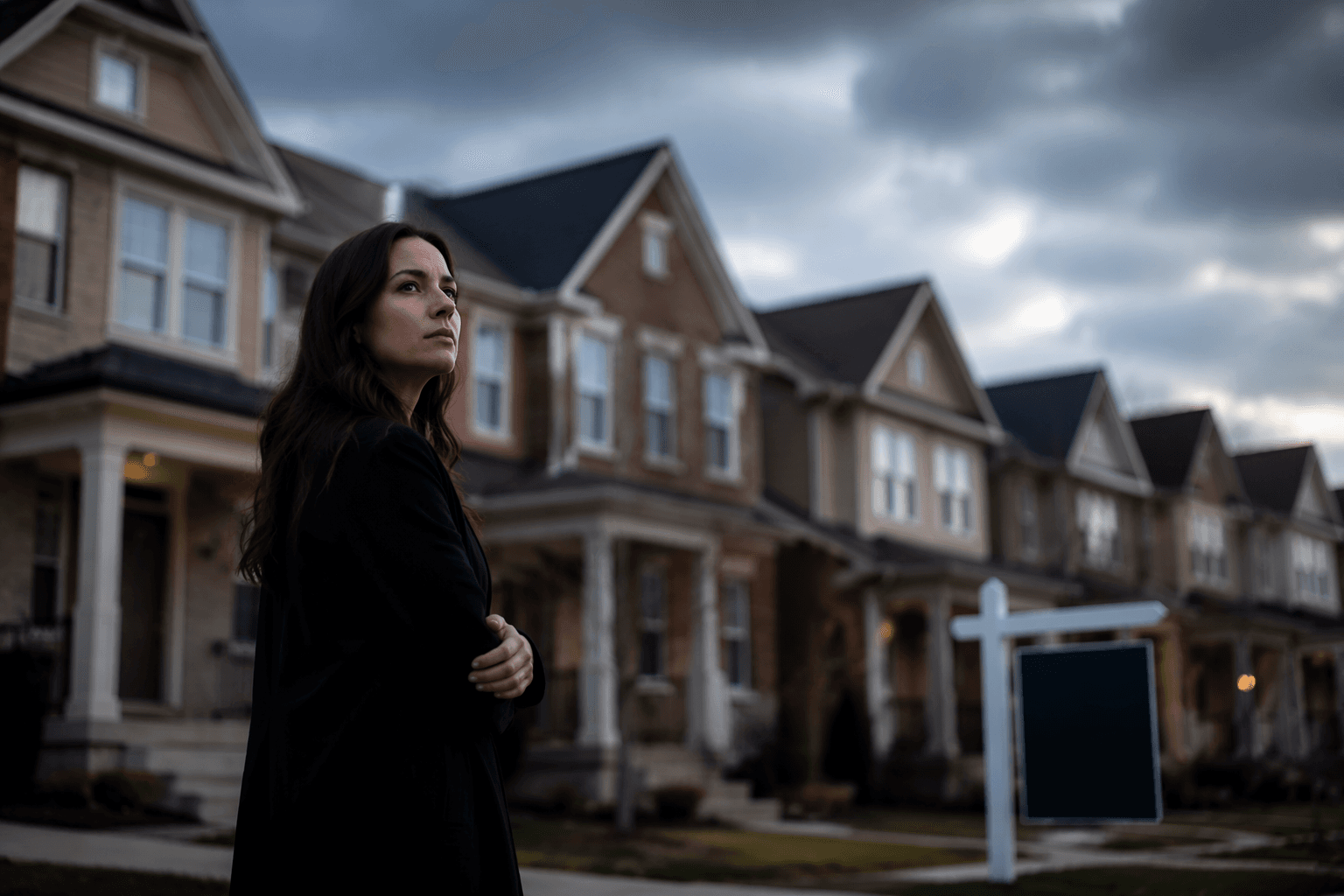
New York’s wealth gap surfaced in three separate arenas at once: Albany, the city’s apartment buildings and the Metropolitan Museum of Art’s red carpet. Gov. Kathy Hochul proposed a pied-à-terre tax on luxury second homes in New York City valued at $5 million or more, a levy aimed at ultrawealthy nonresidents that she said would generate at least $500 million a year in recurring revenue without raising taxes on everyday New Yorkers. Zohran Mamdani, who said the city faced a projected $5.4 billion two-year budget gap, backed the idea as part of a broader push to tax wealthy people who store wealth in New York real estate rather than live in the city. The plan still needed approval from the New York State Legislature and other political leaders, but it quickly became a test of whether the city’s fiscal debate was moving toward serious revenue-raising or a sharper populist turn.
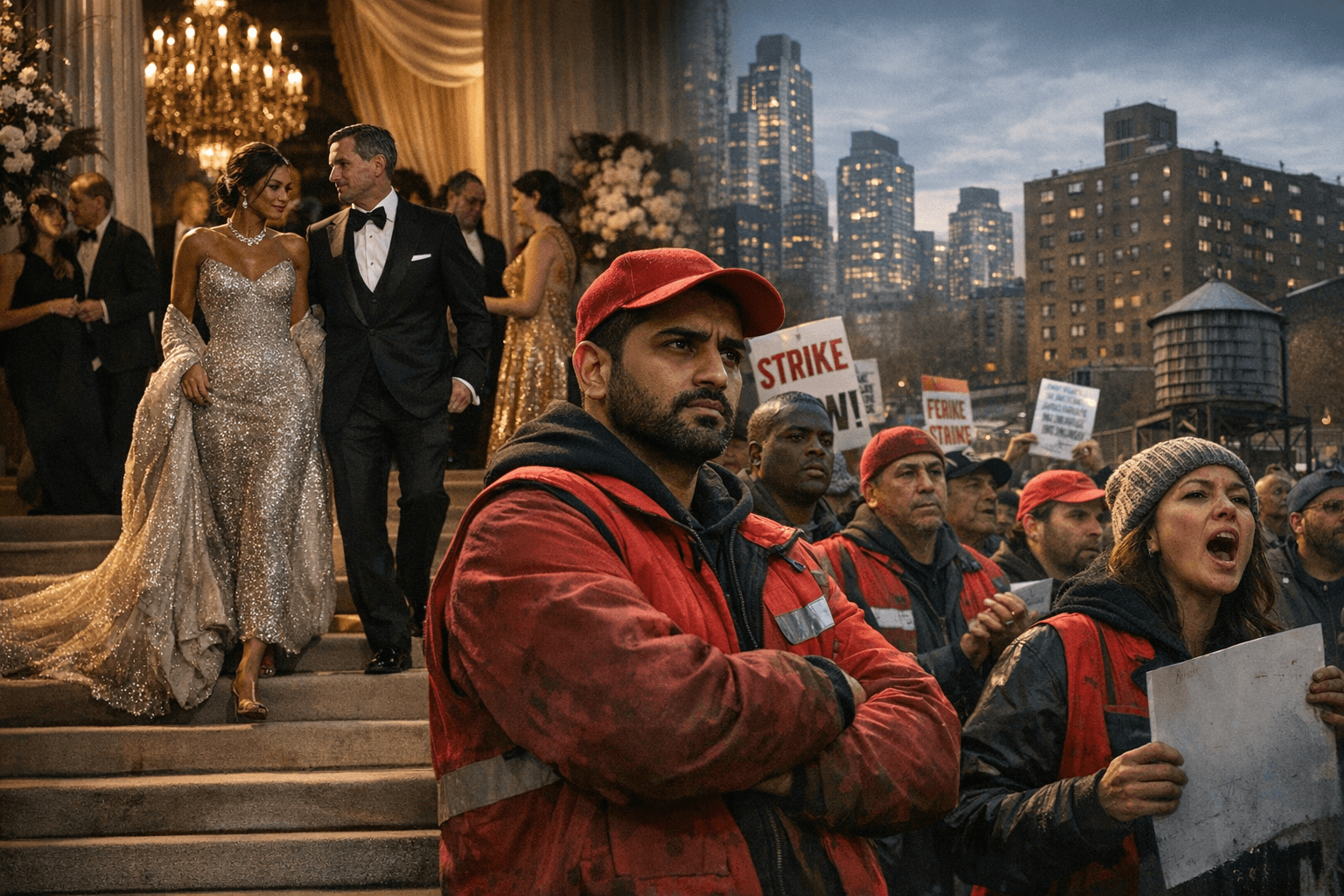
The labor front was no less charged. More than 34,000 apartment-house doorpersons, superintendents and other building workers had been poised to authorize a strike as their contract neared expiration at midnight on April 20. A walkout could have affected about 1.5 million residents across roughly 3,500 co-ops, condos and apartment buildings, putting pressure on tenants, owners and the broader housing market at the same time the tax fight was playing out in Albany. The workers, represented by 32BJ SEIU, were seeking wage increases, stronger pensions and no premium-sharing for family health care. The last 32BJ residential-building strike was in 1991 and lasted 12 days, a reminder that the threat was not symbolic.
Mamdani’s decision to skip the 2026 Met Gala added a cultural flashpoint to the political and fiscal fight. The event has long been a fixture of New York’s elite social calendar and, for mayors, a chance to signal the city’s confidence on a global stage. Mamdani framed his absence as part of a focus on affordability, reinforcing the image of a city where luxury, labor and housing costs were colliding in public view.
Taken together, the tax proposal, the strike threat and the Met Gala snub pointed to the same underlying question: whether New York is prepared to ask its wealthiest residents to pay more, or whether the politics of inequality will keep spilling into the city’s most visible institutions first.
This article was produced by Prism’s automated news system from verified source data, official records, and press releases, then run through automated quality and moderation checks before publishing. The system is built and supervised by the people who set the standards it runs under. Read our full AI policy.
Know something we missed? Have a correction or additional information?
Submit a Tip