New Zealand crush England to level series ahead of Trent Bridge decider
New Zealand routed England by 253 runs at The Oval, bowling them out for 209 and setting up a Trent Bridge decider after a bruising, unstable fortnight.
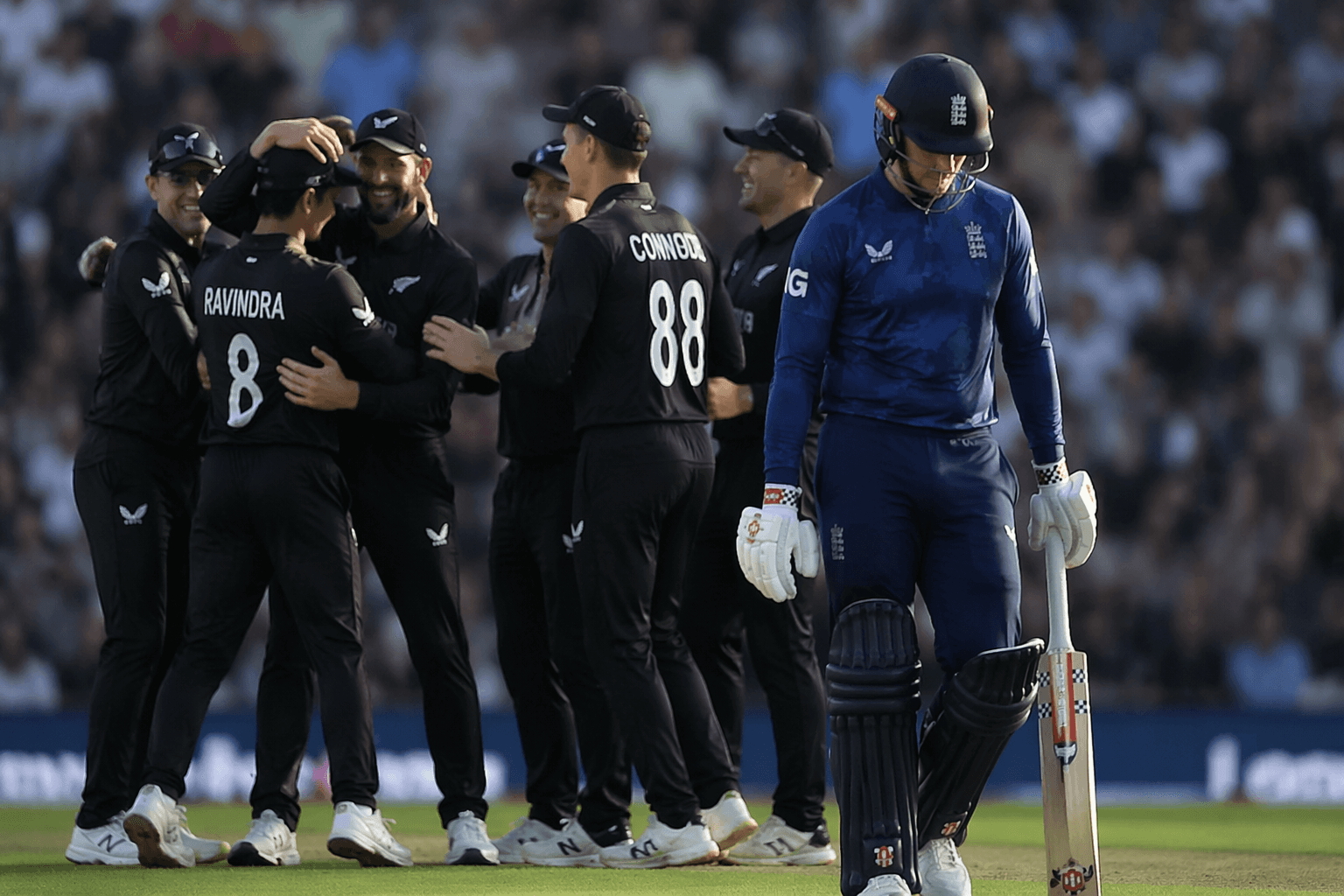
New Zealand turned England’s unsettled fortnight into a rout at The Oval, sealing a 253-run victory to level the three-Test series at 1-1. England were bowled out for 209 in 58.1 overs chasing 463, falling 48 minutes into the fifth day and leaving the contest to swing to a decisive final Test at Trent Bridge.
Matt Henry set the tone for the collapse and the series. The New Zealand fast bowler finished with 11 wickets in the match, including 6 for 29 in England’s second innings, and returned match figures of 11 for 109, the best by a New Zealander against England. He was named player of the match after repeatedly exposing England’s top order and dismantling any chance of a late rescue.
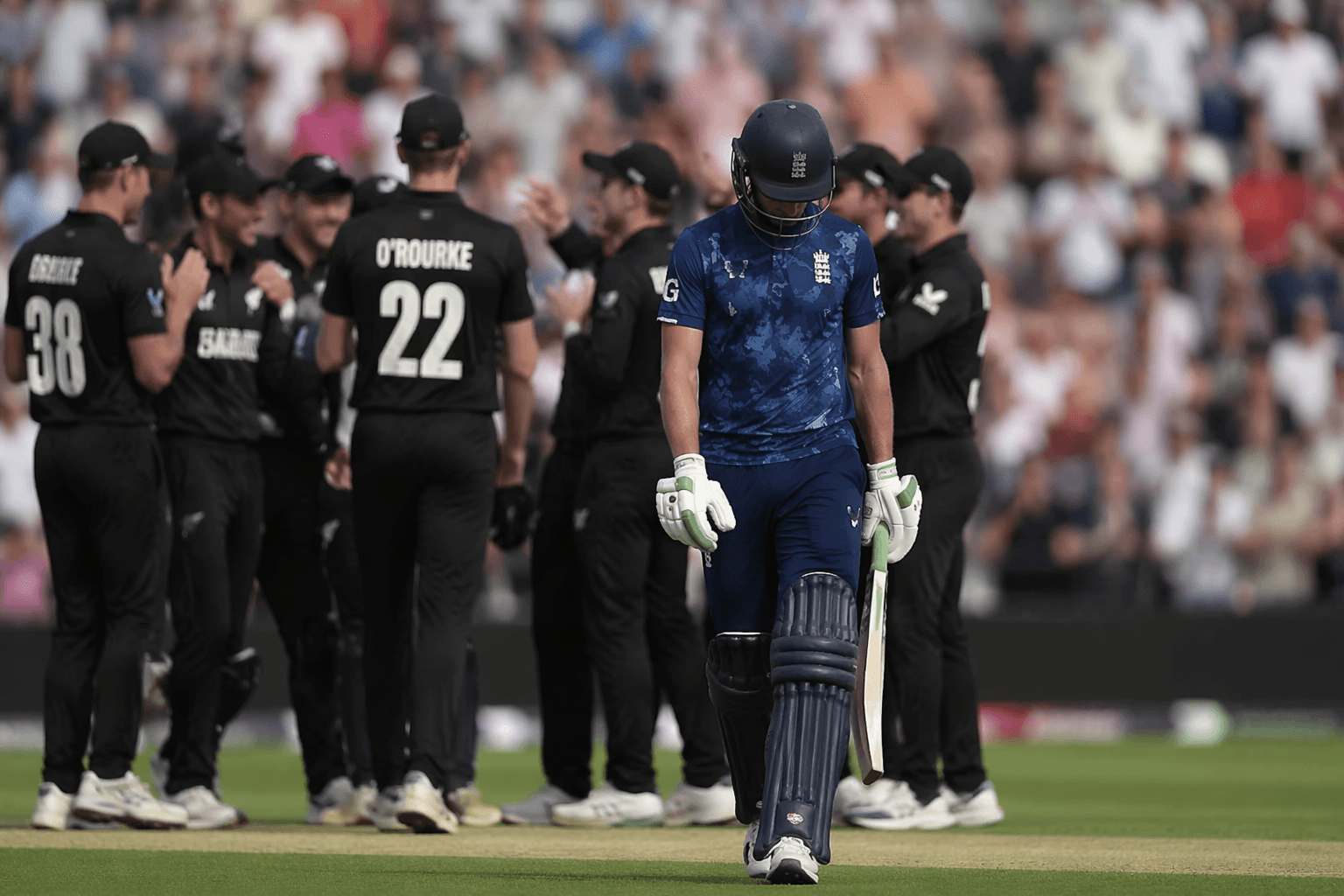
New Zealand’s victory was built long before the final morning. Glenn Phillips struck his maiden Test century with 101 in the first innings as New Zealand posted 391, then Henry Nicholls carried the advantage further with 121 in the second innings. Rachin Ravindra made 76 and Daryl Mitchell 68 as New Zealand reached 362, leaving England with a target that always looked beyond reach. England’s innings offered resistance only in patches, with Joe Root top-scoring with 75 not out and Harry Brook adding 54.
The defeat sharpened the scrutiny around England’s leadership and selection. With Ben Stokes and Gus Atkinson absent after a nightclub incident following the first Test, England handed debuts to Sonny Baker, James Rew and Jordan Cox at The Oval, but the changes did not arrest the slide. The first Test at Lord’s had already shown how extreme the series could become, with England winning by 115 runs in a match where a wicket fell every 24.9 balls, the quickest rate in a Test in England since 1907.
Now the series turns to Trent Bridge, Nottingham, from June 25 to 29, 2026, with both sides carrying sharply different momentum into a match that will decide the contest and shape their 2026 World Test Championship campaign. For England, the question is no longer just selection. It is whether a side that has spent two Tests fighting disorder can recover control when the series is on the line.
This article was produced by Prism’s automated news system from verified source data, official records, and press releases, then run through automated quality and moderation checks before publishing. The system is built and supervised by the people who set the standards it runs under. Read our full AI policy.
Know something we missed? Have a correction or additional information?
Submit a Tip