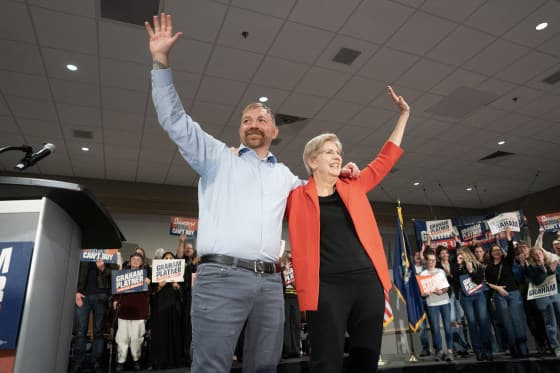
Newark eases Delaney Hall protest curfew amid detention fight
Ras Baraka pulled Newark police back from Delaney Hall, turning a protest curfew fight into a test of who pays to protect a private ICE jail.
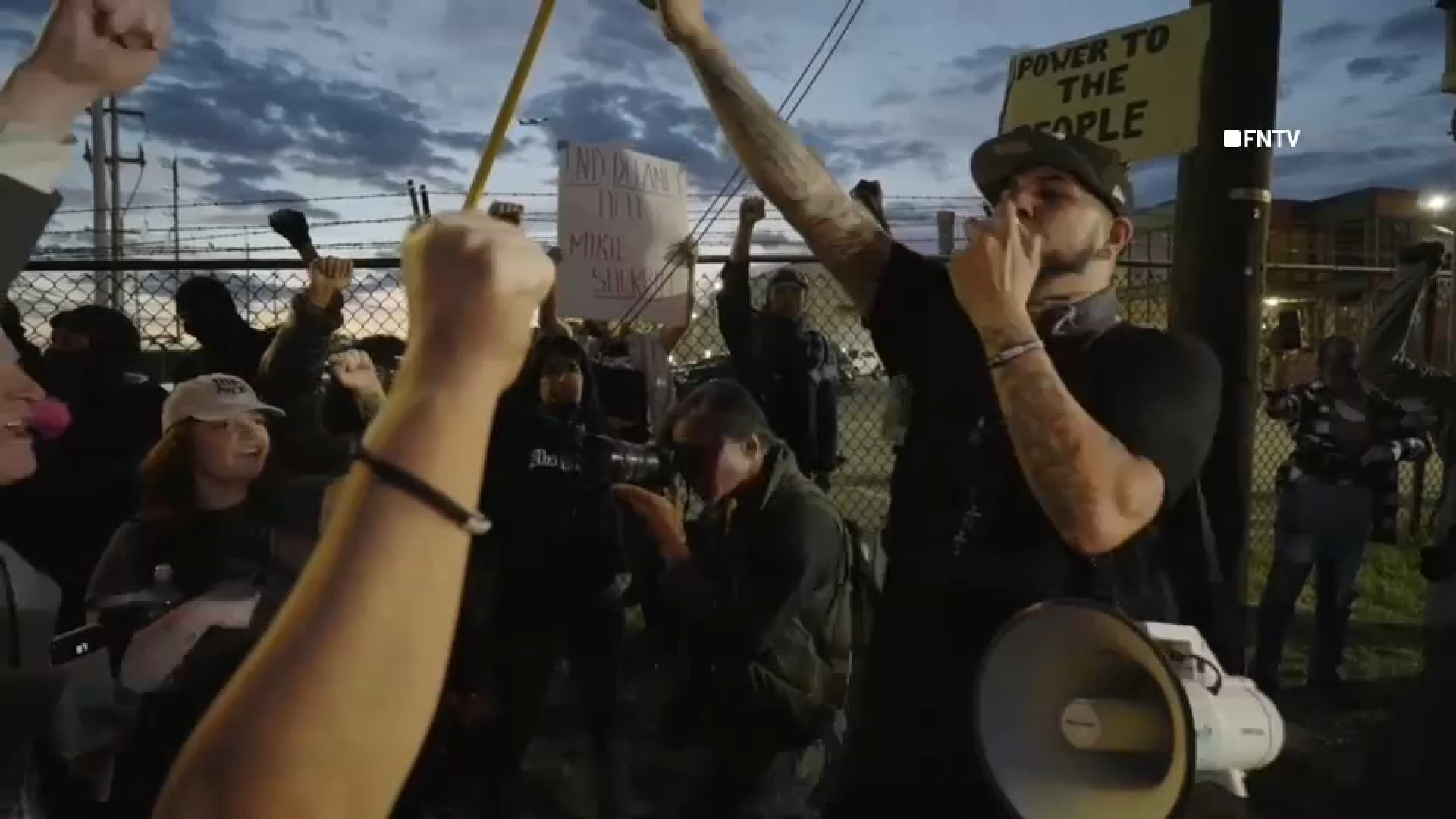
Newark began scaling back its police presence at Delaney Hall after nearly two weeks of protests, with Mayor Ras Baraka saying the city would not spend taxpayers’ money to safeguard the private immigration detention center. The city had imposed a protest zone and curfew around the Newark facility during the unrest, but Baraka said the curfew would be lifted as tensions eased after the arrests of two protesters on Wednesday night.
The retreat came as Delaney Hall remained at the center of a broader legal and political fight over immigration detention in New Jersey. The state attorney general’s office filed suit against The GEO Group on June 2, seeking full access for state health inspectors after officials said the company had blocked them from entering the site. Newark separately filed suit in April 2025 over alleged unauthorized modifications to the facility, which reopened in 2025 after previously operating as an ICE detention center from 2011 to 2017.
Delaney Hall has also become a flashpoint over conditions inside the building and the role of private contractors in federal detention. Detainees reportedly carried out a hunger strike over alleged living conditions, including concerns about food, medical care and family visitation, while federal officials disputed those claims. New Jersey officials and members of Congress visited the site over Memorial Day weekend as pressure mounted around the 1,196-bed facility, which U.S. Immigration and Customs Enforcement awarded The GEO Group a 15-year, $1 billion contract to operate.
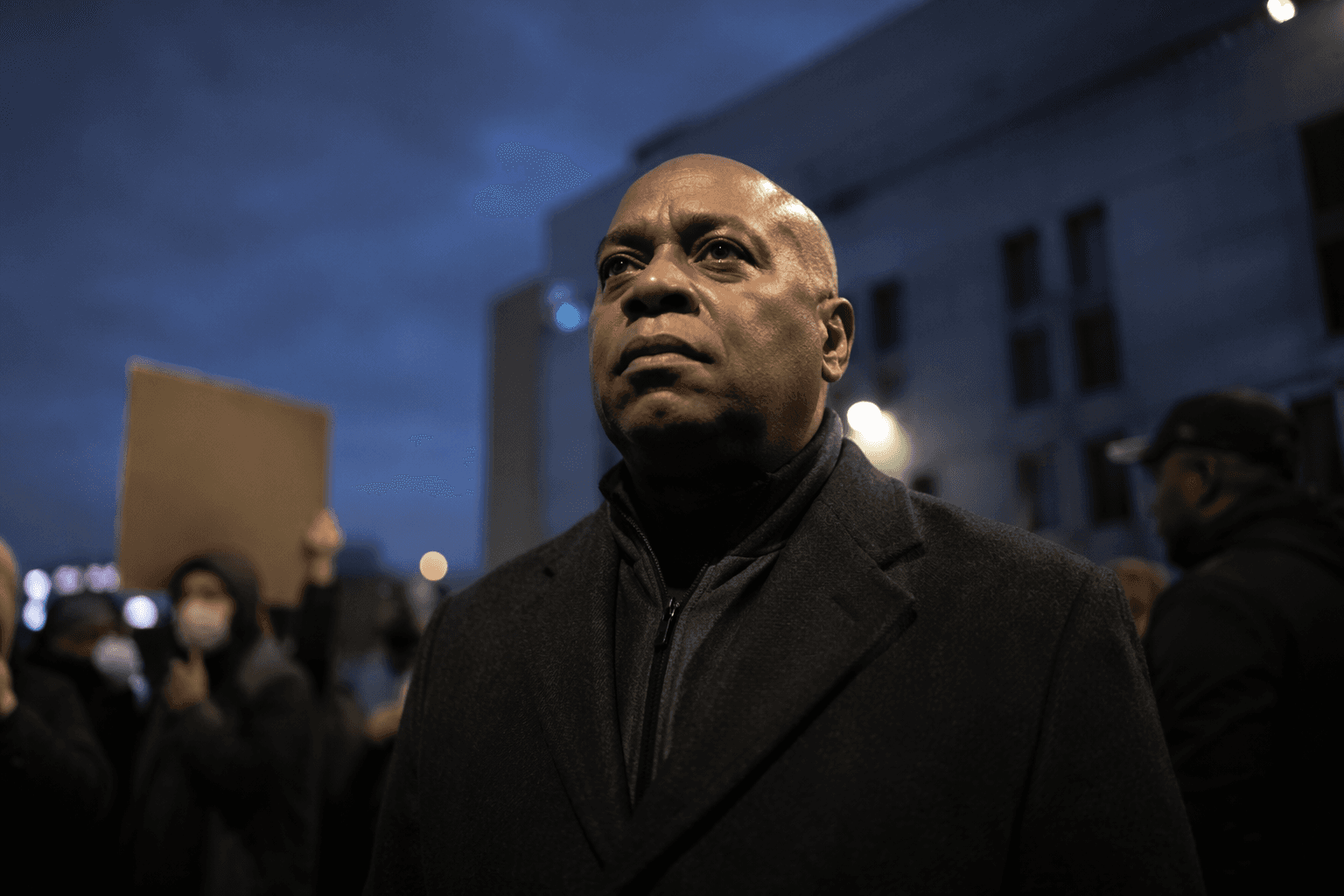
The fight has widened beyond one Newark block and now sits at the center of a national sanctuary-city debate. Baraka’s decision to pull back police resources raises the question of whether a city can refuse to devote public money and manpower to a detention center it politically opposes, even as federal immigration enforcement depends on private operators and local support around the perimeter. For Newark, the dispute has become about public health access, policing priorities and who bears the cost when a detention facility on Doremus Avenue turns into a political and civil rights battleground.
This article was produced by Prism’s automated news system from verified source data, official records, and press releases, then run through automated quality and moderation checks before publishing. The system is built and supervised by the people who set the standards it runs under. Read our full AI policy.
Know something we missed? Have a correction or additional information?
Submit a Tip