Newcastle Marine Rescue Crew Awarded Citations for Brave 2019 Catamaran Rescue
Four Newcastle Marine Rescue volunteers received citations for a brave 2019 offshore catamaran rescue, underscoring the importance of EPIRBs, crew training, and volunteer rescue services.
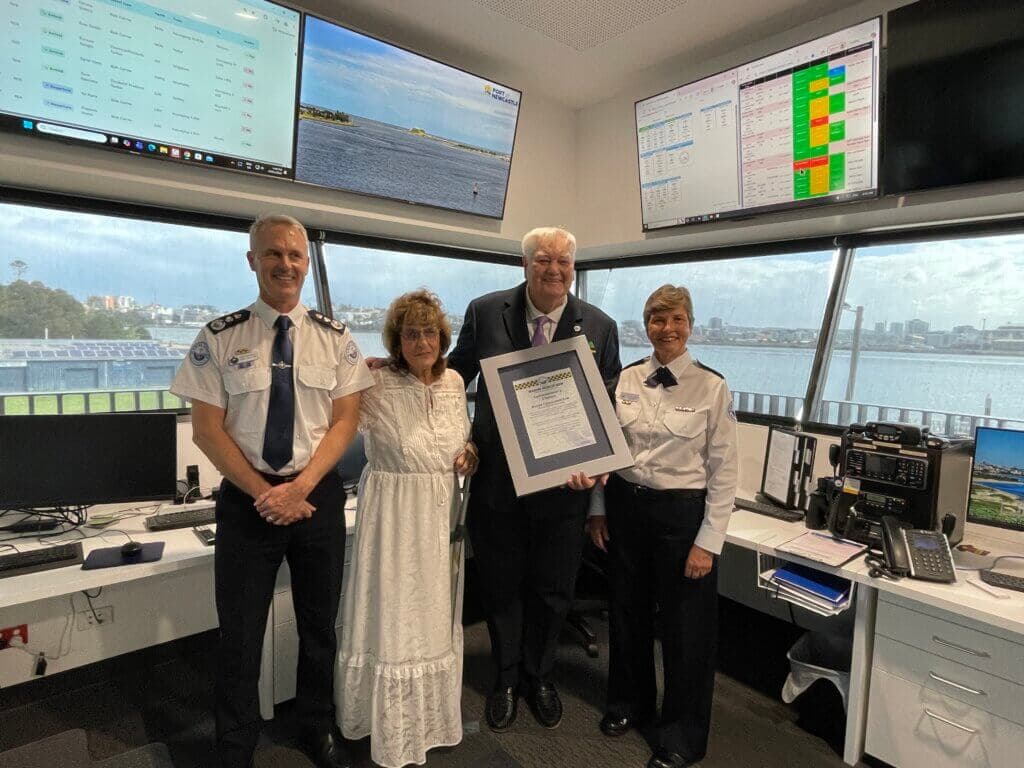
Four Newcastle Marine Rescue volunteers were presented with Commissioner’s Citations at the unit’s Stockton base for their roles in a difficult offshore rescue of a capsized sailing catamaran in 2019. Acting Commissioner Todd Andrews made the presentations on Monday 19 January 2026, recognising a multi-agency operation that tested seamanship, communications, and resolve.
The alarm began when an EPIRB - an emergency position-indication radio beacon - was activated from a sailing catamaran about 10 nautical miles east of Newcastle, triggering a coordinated search and rescue response shortly after 10am on 11 July 2019. Rescue vessel Newcastle 30, crewed by Master Ronald Calman and Leading Crew Richard Nevile, threaded through rough offshore conditions to become the first rescue unit on scene. Winds reached 50-90 km/h and swells were two to three metres, making approach and recovery operations hazardous.
Radio operator Geraldine Allen and support crew maintained communications and coordination under pressure, enabling the broader rescue effort. The operation ultimately included recovery of deceased victims and support to grieving families, and the citation for Warren Bramble was presented posthumously and accepted by his wife. The awards recognise courage and professionalism in confronting difficult conditions and traumatic outcomes.
For catamaran owners and coastal sailors, the episode is a stark reminder that even stable, beamy platforms can be overwhelmed in heavy seas and that time-critical systems save lives. An activated EPIRB brought multiple agencies into play and provided a position that narrowed the search window at a critical moment. Reliable VHF communications, current EPIRB registration and batteries, clear float plans, and crew training for man-overboard and capsize scenarios all reduce response time and increase survival chances.
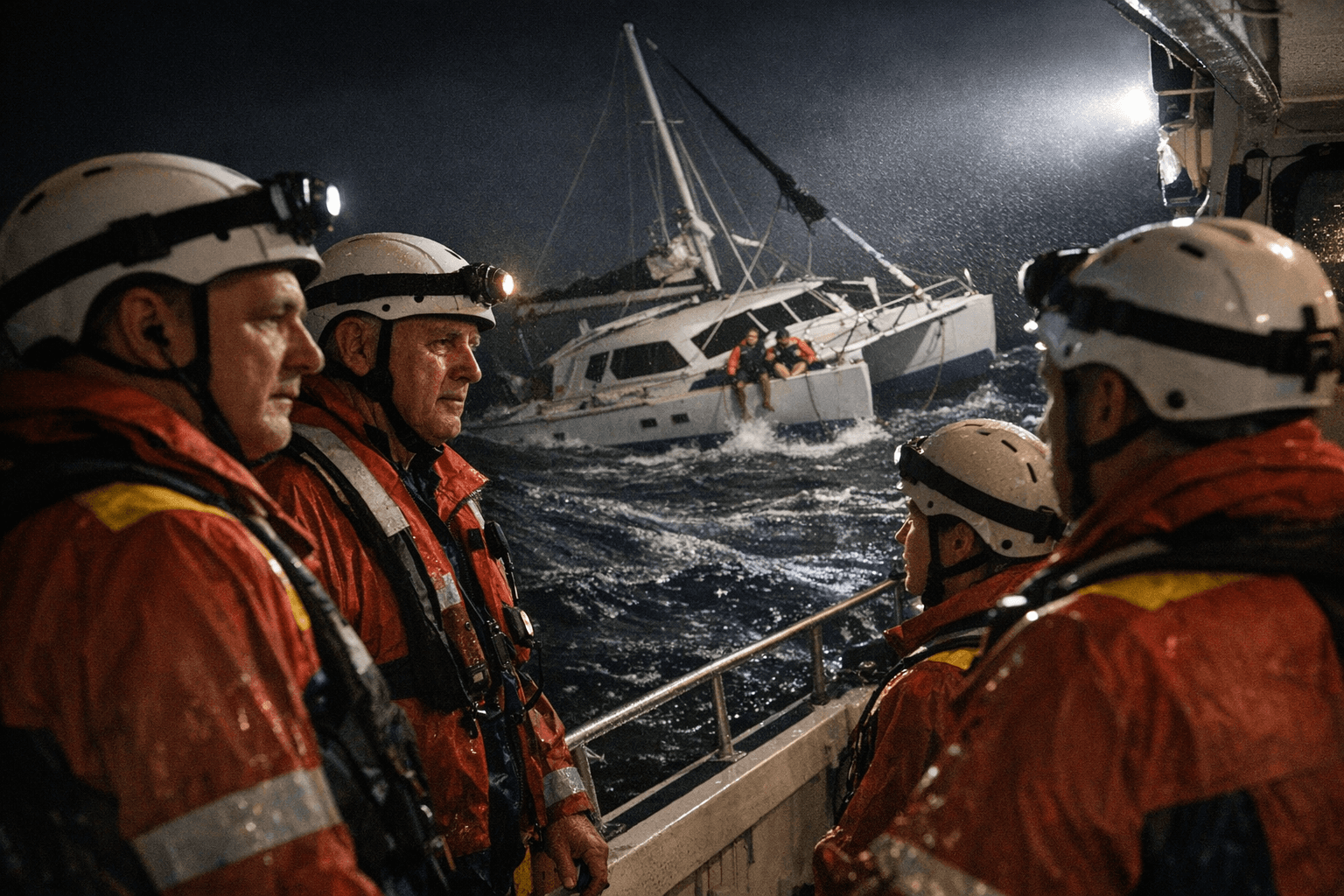
The presentation also highlights the backbone role of volunteer crews in coastal safety. Marine Rescue Newcastle volunteers routinely operate in trying conditions while coordinating with NSW Police, the Australian Maritime Safety Authority assets, and other agencies during offshore incidents. Recognition of individual crews puts a spotlight on the skills required for offshore rescue - boat handling in large seas, clear radio discipline, and the emotional labour of supporting casualties and families after recovery operations.
For local skippers, the practical takeaways are direct: verify EPIRB registration and battery life before heading offshore, maintain a working VHF and hand-held backup, brief a clear float plan with a responsible shore contact, and drill capsize and recovery procedures with your crew. Beyond gear and drills, supporting your local Marine Rescue unit through training days, donations, or volunteer time strengthens the safety net that responders rely on when alarms go off.
The citations honour bravery and competency, and they serve as a sober reminder to all who sail from Newcastle that preparation and disciplined response are the best defences against the unpredictable sea.
Sources:
Know something we missed? Have a correction or additional information?
Submit a Tip