Newly found papers show Franklin’s secret peace bid in 1775
New papers show Benjamin Franklin quietly sought a 1775 peace deal with Chatham, even as Congress split between reconciliation and war.
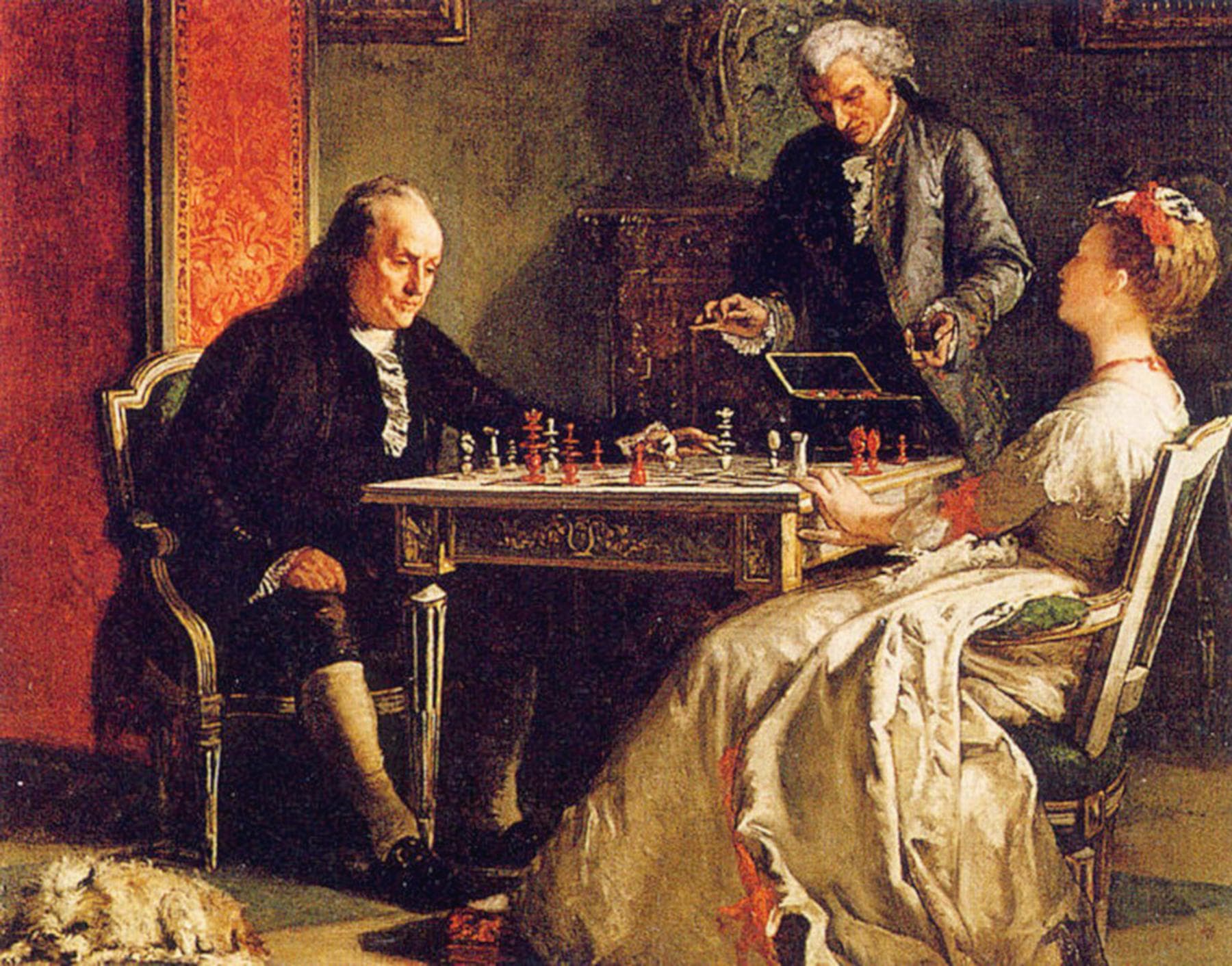
Newly surfaced papers show Benjamin Franklin was still probing for a settlement with Great Britain in early 1775, even as fighting had already broken out at Lexington and Concord. On January 27, 1775, Franklin met William Pitt, Earl of Chatham, at Hayes, where Chatham laid out a reconciliation plan and swore Franklin to secrecy, a constraint that appears to have limited support for the proposal.
That private channel unfolded against a rapidly hardening public crisis. The Battles of Lexington and Concord had taken place on April 19, and the Second Continental Congress reconvened in Philadelphia on May 10 after the First Continental Congress had adjourned the previous October with an agreement to return. In those opening months, many delegates still favored a negotiated settlement rather than a break with the empire, even as the war had begun.
The main public peace effort was the Olive Branch Petition, adopted on July 5 and signed on July 8. It affirmed colonial loyalty to King George III and asked him to stop further conflict. Congress paired that appeal with the Declaration of the Causes and Necessity of Taking Up Arms on July 6, a sign that compromise and confrontation were advancing at the same time. The petition failed, and on August 23, 1775, George III issued a proclamation suppressing rebellion and sedition that declared the colonies to be in “open and avowed Rebellion.”
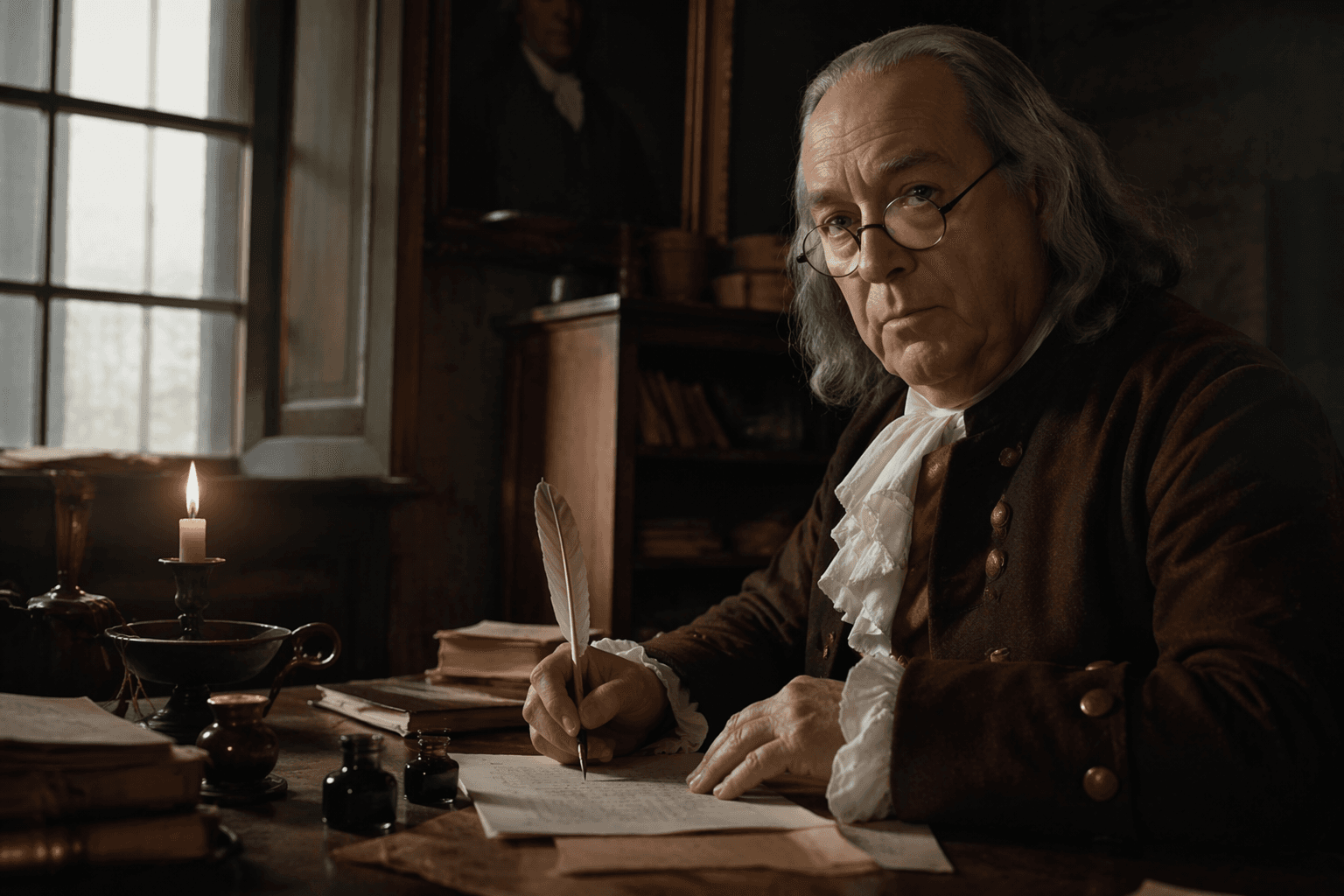
Franklin’s own role in that summer shows how close the Congress still was to the language of union, not independence. He returned from London in May 1775 and quickly took his seat as a Pennsylvania delegate. The Library of Congress notes that Franklin’s plan for a government for a united colonial confederation was read in Congress on July 21, 1775, though it was not acted on then.
The same Congress was also behaving like a sovereign body. Its journals show it appointed commissioners to negotiate peace treaties with Native nations and began organizing a navy in 1775. Those moves, along with the failed olive branch and Franklin’s sealed channel to Chatham, show a Revolution still unsettled, with diplomacy and rupture competing inside the same chamber.
This article was produced by Prism’s automated news system from verified source data, official records, and press releases, then run through automated quality and moderation checks before publishing. The system is built and supervised by the people who set the standards it runs under. Read our full AI policy.
Did this article answer your question?