Trump orders push for scientific quantum computer by 2028
Trump put federal weight behind a 2028 quantum computer target, even as no machine has yet proven a useful real-world task.
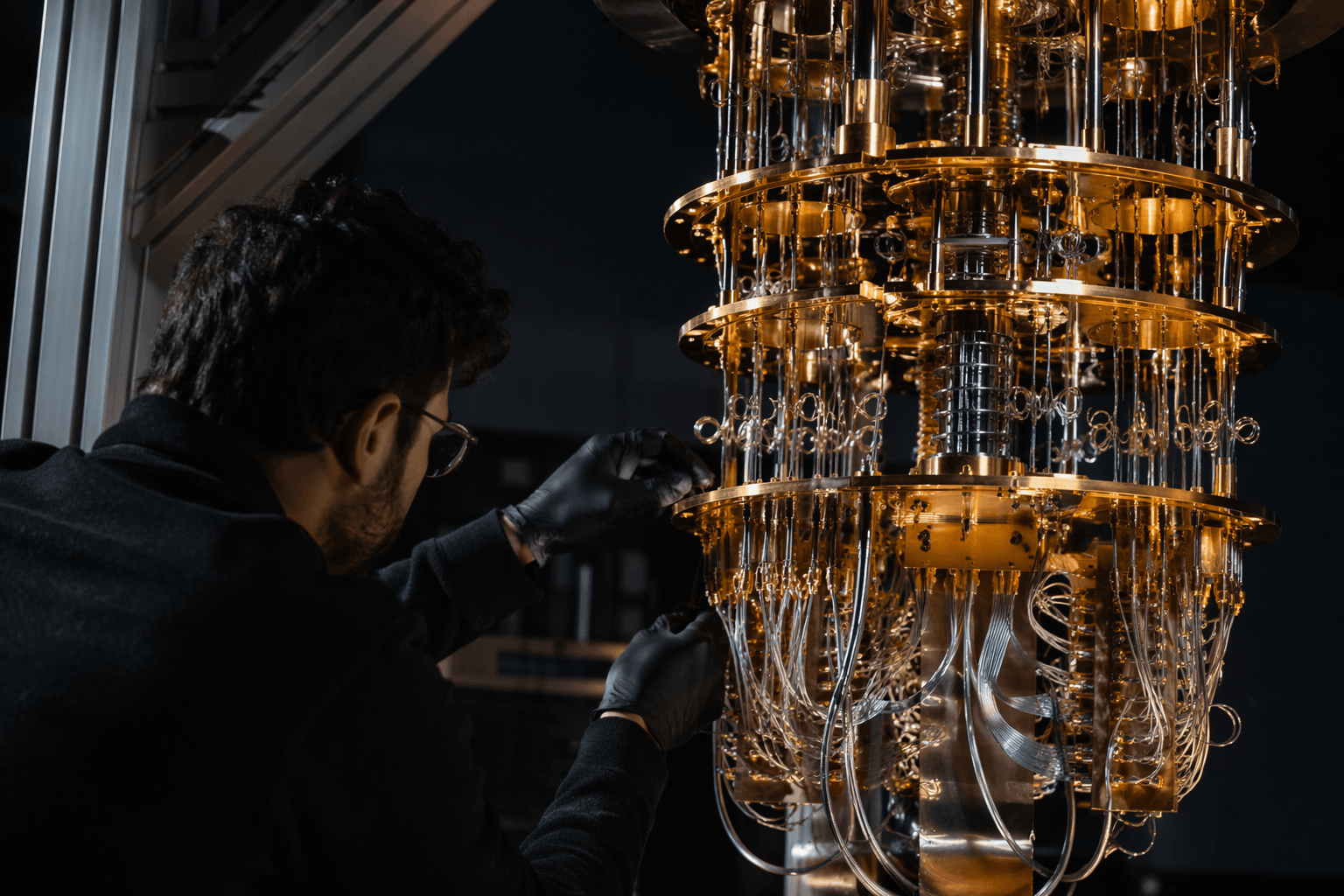
Donald Trump signed two executive orders on quantum computing on June 22, putting the White House behind a drive for a scientifically useful machine by 2028 even though no quantum computer has yet conclusively completed a useful real-world task. One order aims to accelerate development of a quantum computer at a scale meant to begin quantum-enabled scientific discovery and, where possible, make one available to the scientific community.
The administration cast the effort as a national race. Michael Kratsios, Trump’s science adviser, has described the goal as a “quantum computer powerful enough for scientific discovery by 2028,” and the White House said the plan is meant to create the first machine capable of initiating that era. The second executive order focuses on post-quantum cryptography, a separate push to harden government systems against future quantum attacks.
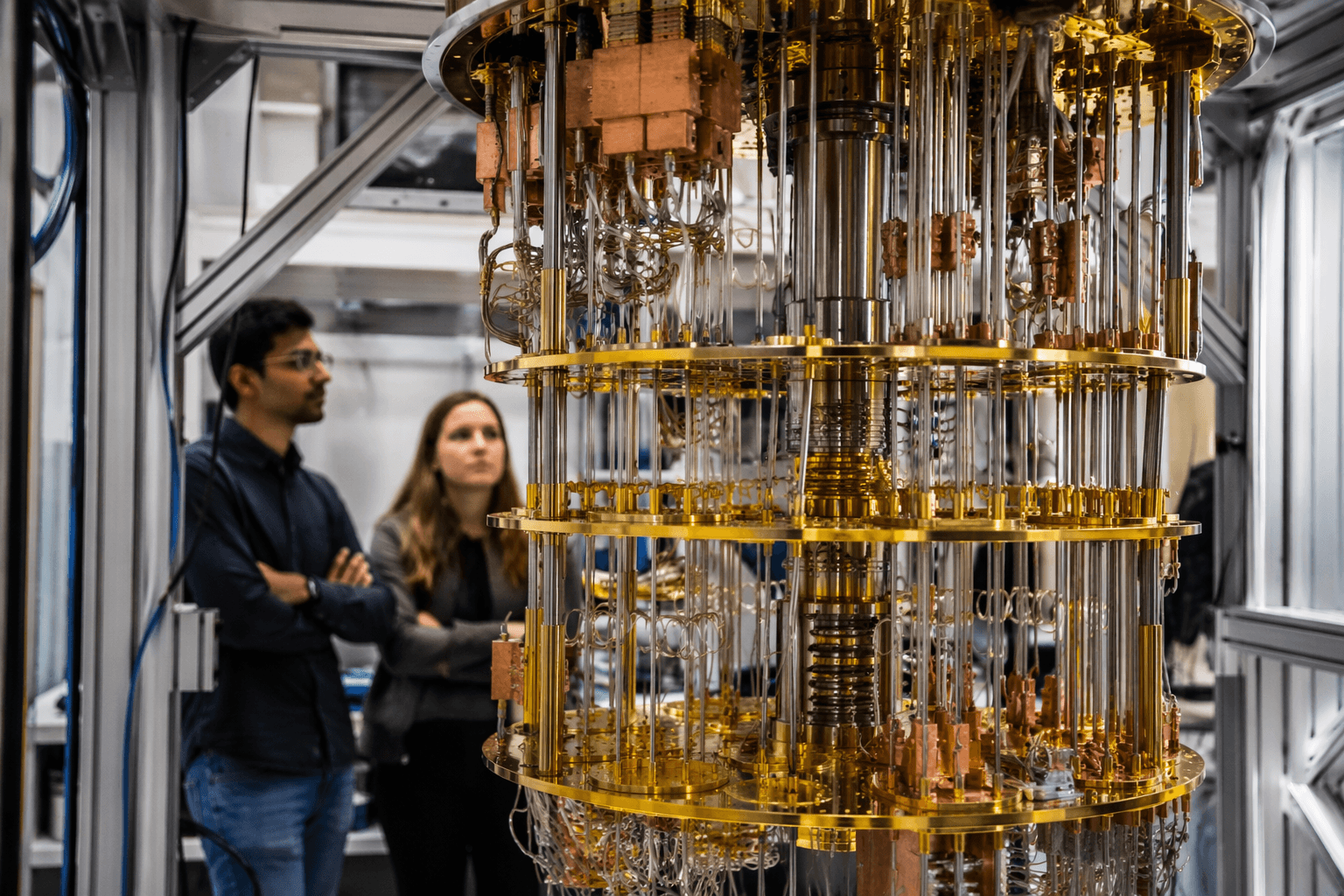
The Department of Energy followed on June 23 with Quantum Genesis, a program targeting the world’s first fault-tolerant, scientifically relevant quantum computing capability for research and development by 2028. The orders also reconstituted the National Quantum Initiative Advisory Committee and expanded the Quantum Counterintelligence Protection Team, underscoring how far the federal government is moving from coordination to direct intervention.
The spending is not small. The Government Accountability Office has said the federal government already spends about $200 million a year on quantum computing activities, and it has warned that the national strategy needs better coordination. Trump’s move builds on the National Quantum Initiative Act, which he signed in 2018 and which set the framework for a broader whole-of-government quantum policy.
The pitch has been matched by industry promises. Microsoft said on June 2 that it now expects commercially useful quantum machines by 2029, while IBM said in late 2025 that its Loon chip points toward useful quantum computers by 2029. Google Quantum AI has also said useful applications could arrive within five years. But researchers remain cautious, saying the field still lacks a verified, broadly useful application on current hardware and that the most visible claims are still ahead of what peer-reviewed evidence supports.
There has been real technical progress. Nature published peer-reviewed Microsoft and Quantinuum results on June 10 showing major gains in quantum error correction, and Google has claimed speedups in physics simulation. Even so, those demonstrations have not shown a general-purpose machine that can reliably outperform classical computers on a commercially relevant task.
For now, the clearest promise remains quantum simulation, especially for molecules, materials and particle physics. That is the benchmark taxpayers, investors and policymakers will have to watch: not headlines about scale or road maps, but whether a machine can prove, under repeatable conditions, that it can do something useful better than the best classical systems already in service.
This article was produced by Prism’s automated news system from verified source data, official records, and press releases, then run through automated quality and moderation checks before publishing. The system is built and supervised by the people who set the standards it runs under. Read our full AI policy.
Did this article answer your question?