Next raises overseas prices, lifts profit forecast after strong sales
War-linked freight costs are pushing Next to raise prices abroad by up to 8% while UK shoppers stay sheltered for now.
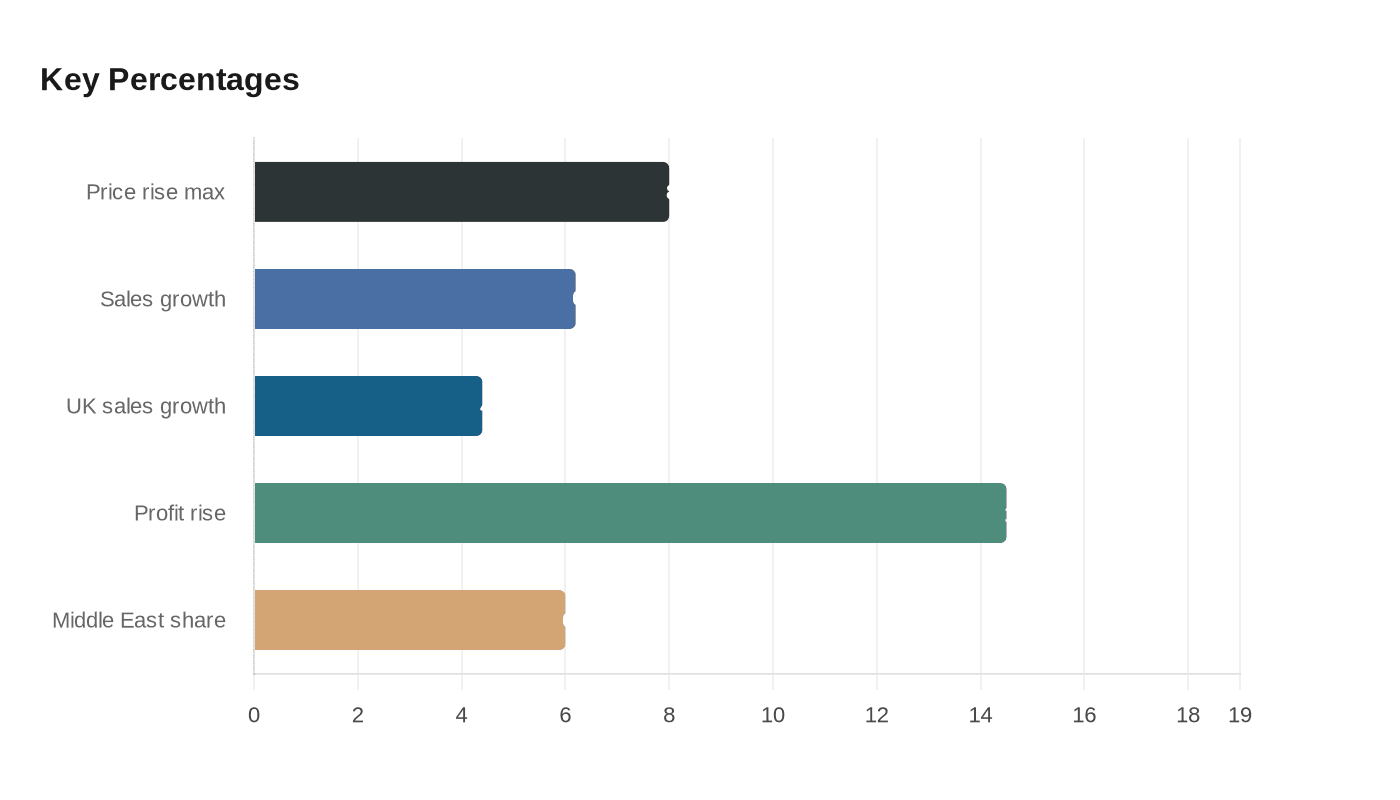
War-linked freight and supply-chain costs are now moving from shipping lanes to store shelves, and Next is choosing to absorb them in Britain while passing part of the pain to shoppers abroad. The retailer said it would raise prices by up to 8% in some countries outside Europe from May 2026 as it faces an extra £47 million in costs this year from higher fuel prices and disruption tied to the conflict in Iran.
That forecast is far above the £15 million in extra war-related costs Next had initially expected, but that earlier estimate covered only the first three months after the fighting began. Next said UK cost increases should be offset by cost savings and margin gains from better factory-gate prices, while currency gains mean no price rises are needed in Europe. Outside Europe, the size of the increase will vary by country, but no market will see rises above 8%.
The move comes after a stronger-than-expected quarter. First-quarter full-price sales rose 6.2%, with UK sales up 4.4%, and Next lifted its full-year profit forecast to £1.22 billion from £1.21 billion. The company also reported a 14.5% rise in pre-tax profit to £1.158 billion for the year to January 31, 2026. In March, Next warned that if war-related costs persisted beyond three months, it would start passing them through in higher pricing instead of treating them as a temporary hit.
Next has said the Middle East accounts for about 6% of its turnover, and sales there fell sharply in the early weeks of the war and remain suppressed. Simon Wolfson said UK trading had held up well over the eight weeks that included the war period, but warned the conflict could restrain growth in the Middle East and weigh on consumer demand more broadly.
The pattern is becoming familiar in global retail. Geopolitical shocks do not hit every market equally. Where demand is firmer, exchange rates are favorable and margins can absorb the blow, prices can stay put. Where those cushions are thinner, retailers are beginning to push the inflationary impact of war-related shipping and input costs onto consumers, country by country.
This article was produced by Prism’s automated news system from verified source data, official records, and press releases, then run through automated quality and moderation checks before publishing. The system is built and supervised by the people who set the standards it runs under. Read our full AI policy.
Did this article answer your question?
%3Amax_bytes(150000)%3Astrip_icc()%2FCertificate-of-deposit-2301f2164ceb4e91b100cb92aa6f868a.jpg&w=1920&q=75)