NHS outlines mindfulness benefits and practical steps, recommends apps and courses
The NHS has published clear, evidence‑informed guidance on mindfulness, with practical exercises, app recommendations, and details on formal MBSR/MBCT courses for wellbeing and depression care.
The NHS has set out a concise primer on mindfulness that explains what it is, how it helps, and where to practise it, from one‑minute breathing exercises to full eight‑week courses. The guidance emphasises accessibility and clinical value: mindfulness can boost focus, ease stress and anxiety, support sleep, and is recommended by NICE for treating less severe depression.
Mindfulness is described as a technique that brings attention to the present moment and to the senses. Practical cues include isolating what you can see, hear and feel, and using simple anchors such as the breath or footsteps. For immediate practice the RUH NHS guidance offers a straightforward exercise: "When you have negative thoughts, try to sit down, take a deep breath and close your eyes. Focus on your breath as it moves in and out of your body. Sitting and breathing for even just a minute can help." Public Health Scotland and NHS inform encourage short, regular practice during everyday moments such as a lunchtime walk or a commute.
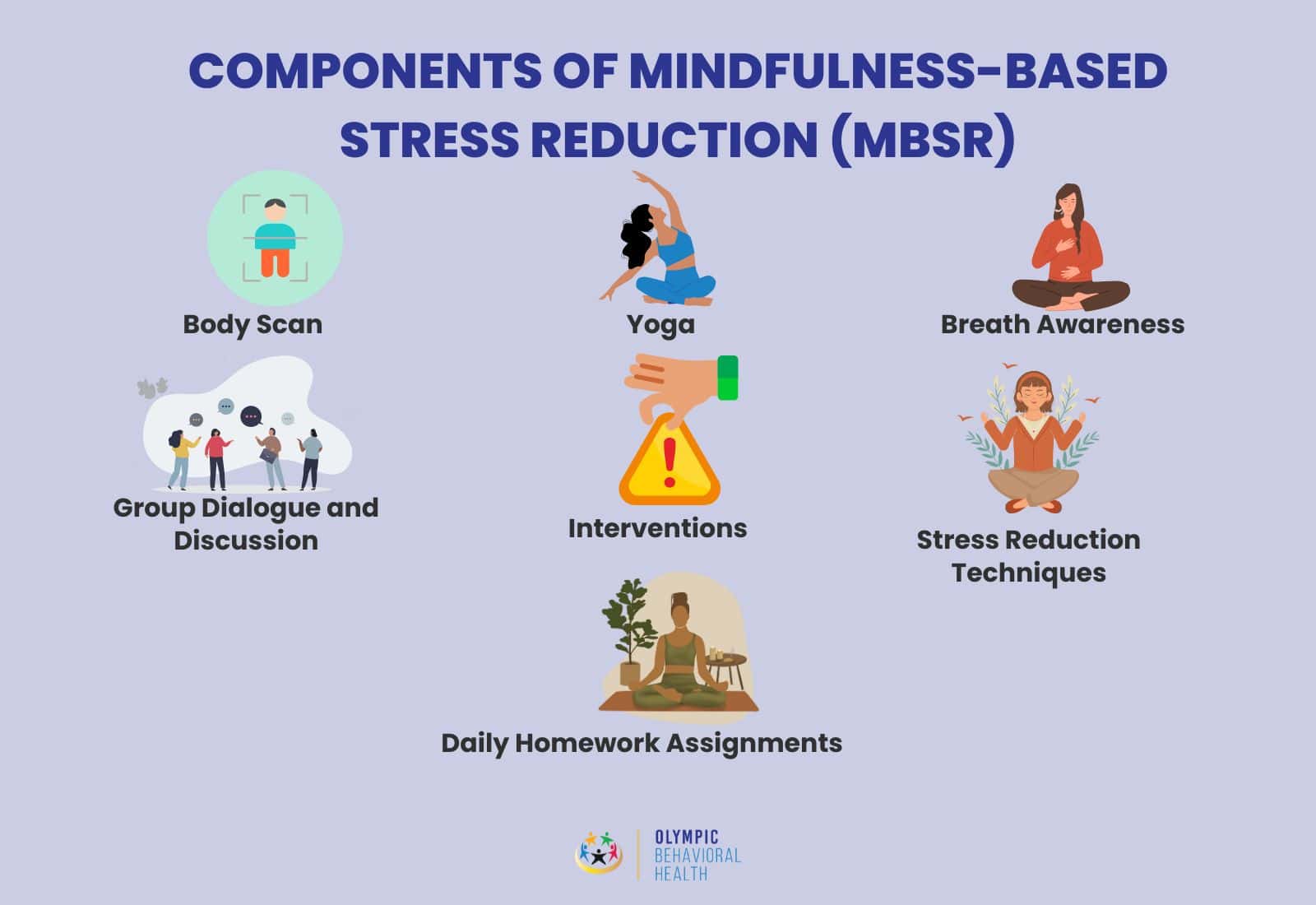
Beyond brief exercises, the NHS materials explain formal mindfulness programmes that are widely used in clinical and community settings. Mindfulness‑Based Stress Reduction (MBSR) is aimed at stress and long‑term conditions, while Mindfulness‑Based Cognitive Therapy (MBCT) is cited for depressive symptoms. Typical courses are delivered by qualified practitioners and usually involve a two‑hour session every week for eight weeks, with group work, daily home practice and guided exercises. Mind points out the course experience can feel uncertain at first but is valuable over time: "As the course starts, it isn't always clear exactly how it will help. The encouragement to just do something, to put one foot in front of the other without thinking about it and questioning it too much can be really helpful."
Access and cost vary. NHS provision is available in some areas and NICE also recommends employers make mindfulness accessible for staff, but availability on the NHS varies and waiting lists can be long. Private sector courses and some apps charge fees; the guidance therefore highlights a mix of free and paid options.

For self‑guided practice, the NHS and partner pages point to a selection of apps and resources. Free options named include Smiling Mind, Insight Timer, MyLife Meditation and Mind Shift for young people; Headspace is described as a subscription app with a free basic version. The NHS Digital Apps Library is listed as a place to explore more apps, while local charities such as Penny Brohn UK and Dorothy House may offer recordings and sessions. Teen resources are highlighted in a Cavuhb NHS Wales self‑help guide: "This self‑help guide is designed to give you some ideas of how to practice mindfulness, which may help in reducing worries and managing other difficult emotions." NHS inform underscores that practice is flexible: "You can practice mindfulness for just a few minutes, or longer depending on how much time you have. You could try to do it at a regular time so that it becomes routine. For example, at lunchtime or on your commute to work."
What this means for readers is practical and immediate: start small, pick an anchor such as breath or footsteps, try a free app or NHS audio guide, and consider an eight‑week course if you need structured support. For clinical treatment options or local courses arrange to talk to your GP or search NHS service listings, bearing in mind local availability and potential costs for private provision.
Know something we missed? Have a correction or additional information?
Submit a Tip