NHS Waited Two Days to Raise Meningitis Alarm After Two Student Deaths
Two students died of MenB meningitis before the NHS raised a national alarm — a delay experts called indefensible. Over 10,500 antibiotic doses were given after cases were traced to a Canterbury nightclub.
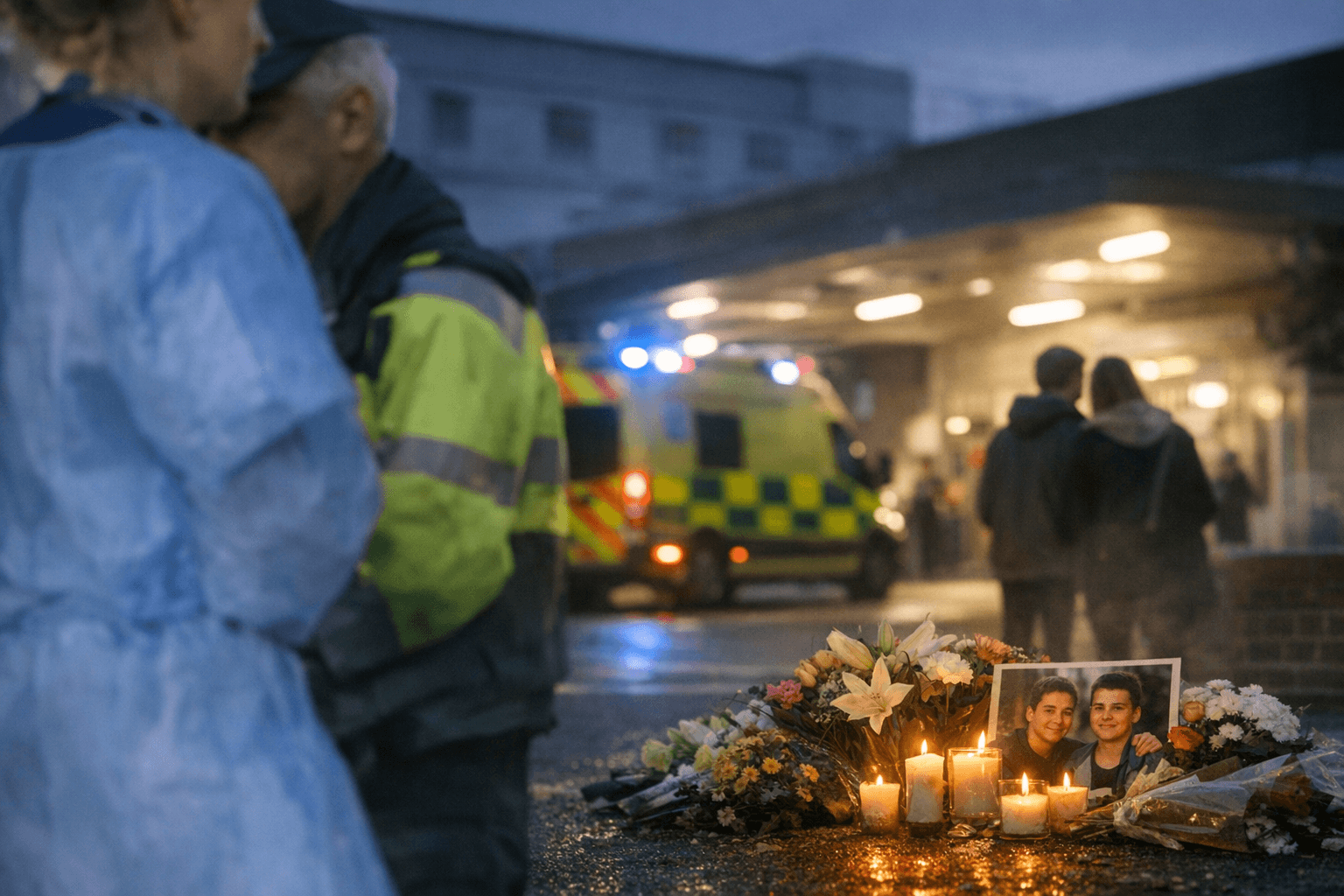
The family of Juliette Kenny, the 21-year-old University of Kent student who died from the infection, has called for greater protection for young people from meningitis. Her death, and that of a sixth-form pupil at Queen Elizabeth's Grammar School in Faversham, came before the government raised a national alarm — a gap that experts and critics say cost precious time.
The government waited two days after being notified of the first cases before alerting the public on March 15, including after being notified by French health authorities of a case linked to Kent. Experts called the delay indefensible and said it may have slowed identification of the outbreak.
Between 13 and 15 March 2026, 13 cases of invasive meningococcal disease were notified to the UK Health Security Agency (UKHSA). Several cases share exposure at Club Chemistry, a Canterbury nightclub, on 5–7 March. Health Secretary Wes Streeting described the outbreak as "unprecedented" during a statement to the House of Commons. UKHSA head Susan Hopkins commented: "I can say that in my 35 years working in medicine, in healthcare and hospitals, this is the most cases I've seen in a single weekend with this type of infection."
By 16 March, UKHSA had identified 15 cases of invasive meningococcal disease in the South East, with four confirmed as meningococcal group B. As of 21 March, 20 laboratory cases were confirmed with a further nine notifications under investigation, bringing the total to 29. By 20 March, 4,500 vaccinations had been given and over 10,500 doses of antibiotics had been administered.
The NHS England alert warned doctors to be vigilant for signs and symptoms of meningitis. Critically, the alert noted the illness "has been severe with rapid deterioration" and urged doctors to have a "high index of suspicion where a young person aged 16 to 30 attends with consistent signs or symptoms" of the disease. The UKHSA issued the alert for the NHS across England on the Wednesday, though it did not signal the outbreak would spread nationwide.
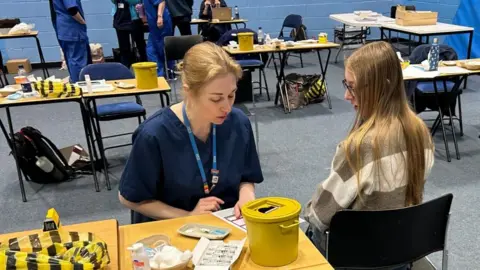
Vaccination began with students living in Canterbury campus halls of residence at the University of Kent, and as of 20 March, vaccination was extended to everyone who had been offered preventative antibiotic treatment as part of the outbreak. 11,000 doses were deployed across four antibiotic distribution sites in Canterbury and the surrounding area, with UKHSA working with the University of Kent to reach all 16,000 students and over 30,000 people contacted for precautionary action.
Since 2015, only infants have been vaccinated against MenB under the NHS schedule, making it one of the most common causes of meningitis among teenagers and young adults. All victims were born before 2015 and therefore had no public MenB coverage under the NHS schedule. The gap has reignited a longstanding debate: Meningitis Now's chief executive Tom Nutt stated that all teenagers and young adults should be protected by the vaccine, a point pressed directly by Health select committee chair Layla Moran, who noted the committee had used the word "complacent" in a recent letter to the Department of Health on vaccination and immunisation.
The outbreak also prompted fresh scrutiny of the NHS's overall resilience. Dr Ian Higgison, president of the Royal College of Emergency Medicine, said: "Our hospitals are in a much more perilous state than they were before the last pandemic. From our perspective, our departments are much more overcrowded, and our hospitals are under even more pressure than they were before." A Department of Health spokesman said the government was making progress, with waiting lists at their lowest level for almost three years.
Club Chemistry, the Canterbury nightclub at the centre of the outbreak, said it was informed of the incident by UKHSA via Instagram direct messages. After being informed, the club announced it would close until the outbreak ended. The sequence of events — from a crowded nightclub on a March weekend to a national emergency consuming tens of thousands of antibiotic doses — has left public health authorities under mounting pressure to explain why two days passed before the country was told.
This article was produced by Prism’s automated news system from verified source data, official records, and press releases, then run through automated quality and moderation checks before publishing. The system is built and supervised by the people who set the standards it runs under. Read our full AI policy.
Did this article answer your question?