NHTSA probes 597,571 GM vehicles over L87 engine failures
NHTSA opened a recall query into roughly 597,571 GM vehicles with the L87 6.2L V8 to examine whether April 2025 remedies prevented further engine damage. The inquiry could prompt an expanded recall.
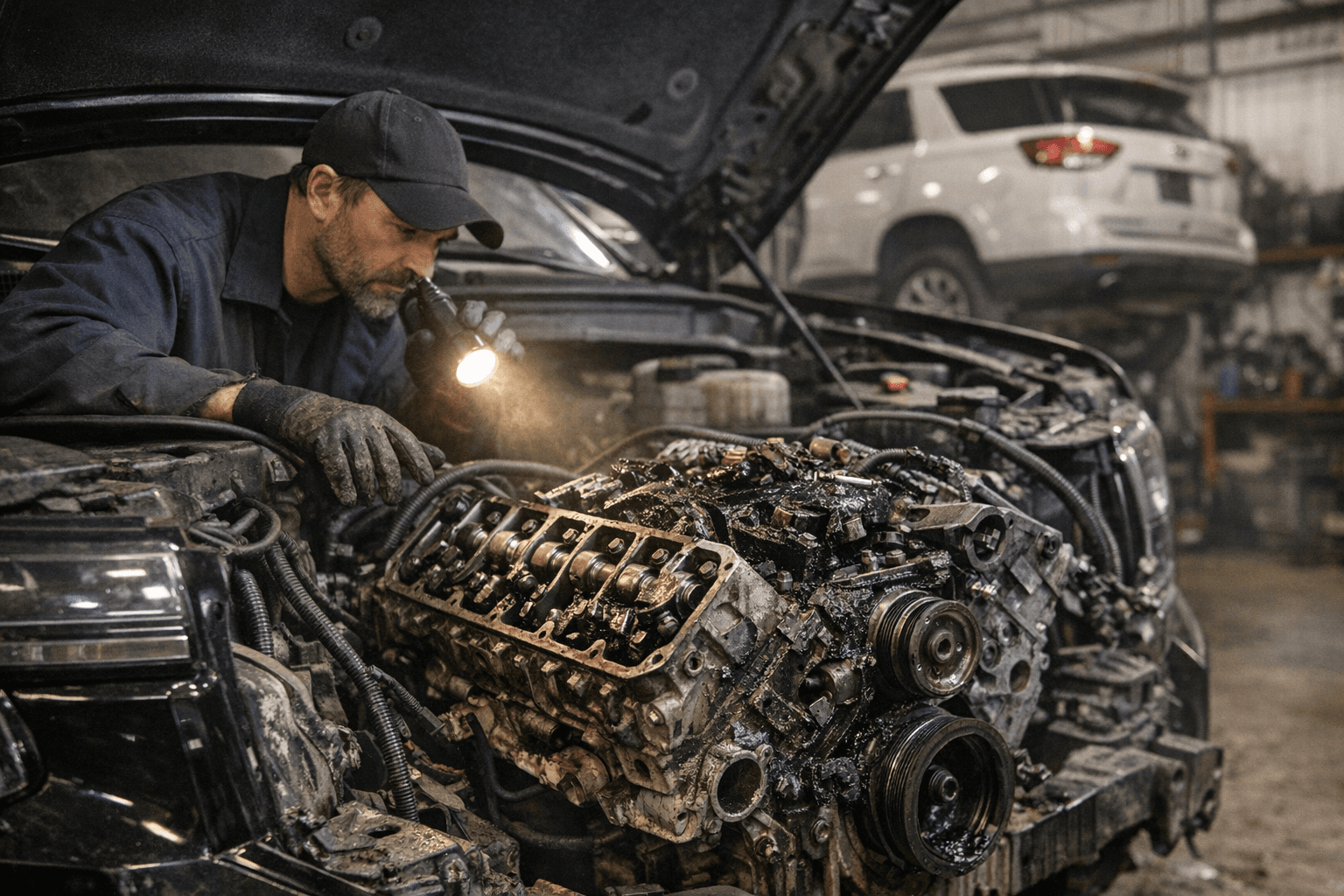
Federal safety regulators opened a formal recall query into about 597,571 General Motors vehicles after receiving owner complaints that engines covered by an earlier recall subsequently experienced damage or failure. The National Highway Traffic Safety Administration on Jan. 19, 2026 designated the action RQ26001 to examine whether the remedies GM deployed in April 2025 were adequate to prevent further incidents with the L87 6.2‑liter V8 small‑block gasoline engine.
The L87 is a direct‑injection 6.2‑liter V8 commonly rated at roughly 420 horsepower and 460 lb‑ft of torque on 87‑octane fuel. The April 2025 recall, identified as 25V‑274, involved about 721,000 vehicles worldwide, with nearly 600,000 of those in the United States. Affected model years include 2021 through 2024 examples such as Chevrolet Silverado 1500, GMC Sierra 1500, Chevrolet Tahoe and Suburban, GMC Yukon and Yukon XL, and Cadillac Escalade where equipped with the L87.
NHTSA’s Office of Defects Investigation said it received 36 Vehicle Owner Questionnaires alleging engine failure in vehicles covered by the 2025 recall and that those complaints include failures of the remedies applied under the earlier action. The April 2025 remedy program instructed dealers to test for diagnostic trouble code P0016; vehicles with that code were to receive engine replacement. If that code was not present, the alternative service procedure required draining the engine oil and refilling with GM dexos R 0W‑40 oil, replacing the oil filter, and installing a new 0W‑40 oil fill cap.
Technical teardown work cited by NHTSA identified two primary root causes tied to supplier manufacturing and quality control: rod‑bearing damage attributed to sediment contamination on connecting rods and within crankshaft oil galleries, and crankshafts with out‑of‑specification dimensions and surface finish. Some suppliers reportedly implemented manufacturing process improvements before June 2024 to address contamination and dimensional issues.
The safety risk centers on the potential for engine damage to cause a sudden loss of propulsion, a condition that can materially increase the risk of a crash if it occurs without warning. NHTSA’s recall query focuses on whether the chosen remedies eliminate that risk across the population covered by the 2025 recall; depending on its findings, the agency could require GM to expand repairs or take other enforcement actions.
The recall query arrives amid parallel regulatory and legal activity. NHTSA is conducting an Engineering Analysis into other L87 failures outside the original recall population, and a class‑action lawsuit is pending that contends the recall has caused widespread confusion and that the manufacturer’s remedy may not prevent failures. The cases and federal scrutiny have drawn investor attention, and GM’s stock has shown short‑term volatility as markets weigh potential liability and warranty costs tied to engine repairs or replacements.
For GM, the inquiry underscores broader industry challenges: modern high‑performance, direct‑injection engines operate with tighter tolerances and more complex supplier chains, increasing sensitivity to contamination and manufacturing variation. As NHTSA’s ODI evaluates RQ26001, automakers and suppliers will be watching for outcomes that could reshape recall remedy standards and supplier oversight. NHTSA has not announced further enforcement or remedy expansion as of the Jan. 19 query notice.
This article was produced by Prism’s automated news system from verified source data, official records, and press releases, then run through automated quality and moderation checks before publishing. The system is built and supervised by the people who set the standards it runs under. Read our full AI policy.
Did this article answer your question?

