NHTSA warns after Jilin-made replacement inflators tied to deaths
NHTSA alerts used-car buyers after investigators link at least 10 crashes to ruptured aftermarket inflators from Jilin, China; eight drivers died in otherwise survivable crashes.
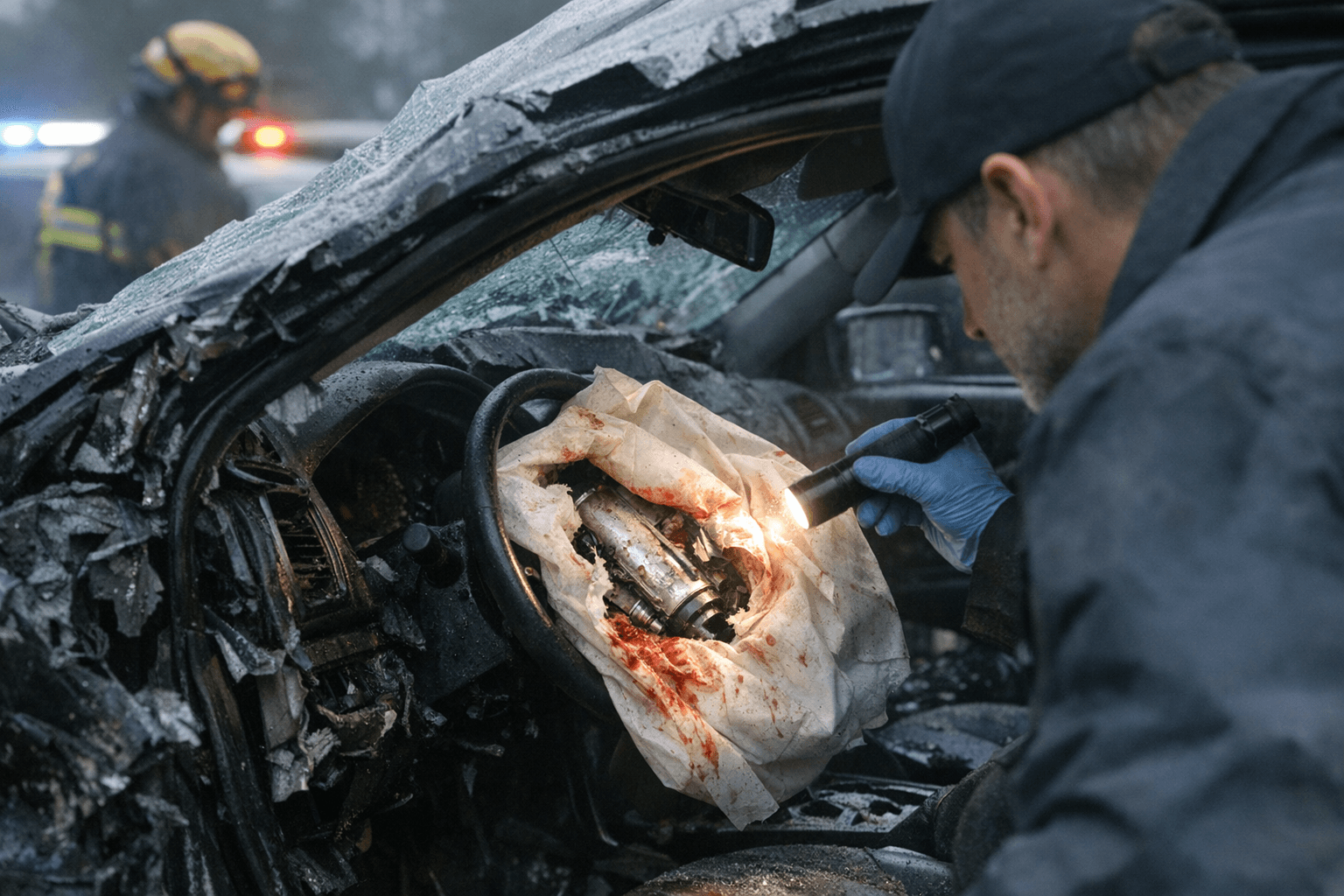
An urgent consumer safety warning from the National Highway Traffic Safety Administration has linked at least 10 crashes to ruptured aftermarket replacement air bag inflators manufactured in Jilin province, China. Investigators associated the failures with components made by Jilin Province Detiannuo Automobile Safety System Co. Ltd., known as DTN, and said the parts were “likely illegally imported” into the United States.
NHTSA said the inflators at issue are aftermarket replacement units intended to take the place of factory-installed inflators after a prior crash or repair. The agency linked ruptures of those inflators to eight driver deaths in collisions the agency described as otherwise survivable, and to two other drivers who suffered severe injuries. Investigators also reported additional recent fatalities under review, indicating the problem is ongoing and widespread enough to prompt immediate consumer outreach.
The warning was targeted at used-car buyers and vehicle owners, a cohort most likely to encounter cars that have undergone post-crash repairs. NHTSA emphasized that in some cases the original manufacturer-supplied air bag modules had been substituted with substandard aftermarket inflators and that the components apparently failed when they deployed, rupturing instead of containing explosive propellant as designed.
Key technical and investigative details remain undisclosed publicly. NHTSA has not identified specific vehicle makes, models, model years, or the states where the crashes occurred. The agency also has not announced whether DTN, any intermediary importer, or any repair shop or parts distributor has been notified, fined, or subjected to a recall or enforcement action. Nor has the agency provided detailed forensic findings on the rupture mechanism or the manufacturing defects investigators believe caused the failures.
The incidents expose multiple policy and regulatory challenges at the intersection of vehicle safety, aftermarket parts markets, and import enforcement. Air bag inflators are safety-critical components subject to federal standards when sold as original equipment, but the aftermarket remains a porous channel where uncertified parts can enter repair networks. If inflators were brought into the country in violation of import rules, that would implicate Customs and Border Protection as well as regulatory gaps in tracking and approving replacement safety components.
The human toll sharpens the urgency for clearer oversight. Eight fatalities in otherwise survivable crashes suggest that defective inflators can convert moderate collisions into fatal ones. For regulators, the immediate imperative is twofold: provide affected vehicle owners and repair facilities with sufficient identifying information to determine exposure, and pursue enforcement against importers and sellers of noncompliant parts.
Absent vehicle-specific disclosures, consumers and state regulators face difficulty in identifying at-risk vehicles. NHTSA’s public statement acknowledged the link to DTN-made components but left open critical questions about distribution pathways and the scope of exposure. Federal agencies charged with border control, product enforcement, and consumer safety should coordinate rapidly to trace importers, compel production of sales and shipment records, and, if necessary, order remedies or recalls.
For now, the warning places the burden on used-car buyers, owners, and independent repairers to be vigilant about post-crash air bag replacements. The incidents also signal a need for Congress and regulators to examine whether current oversight of replacement safety parts and their entry into the U.S. market is adequate to prevent avoidable deaths.
This article was produced by Prism’s automated news system from verified source data, official records, and press releases, then run through automated quality and moderation checks before publishing. The system is built and supervised by the people who set the standards it runs under. Read our full AI policy.
Did this article answer your question?