Nick Kennedy Builds Fishtown Dining Empire Around Historic Spaces
Nick Kennedy is turning Fishtown into a multi-venue dining district, not just a restaurant row. The bet is that historic spaces and clustered concepts can create a destination, and maybe a repeatable urban playbook.
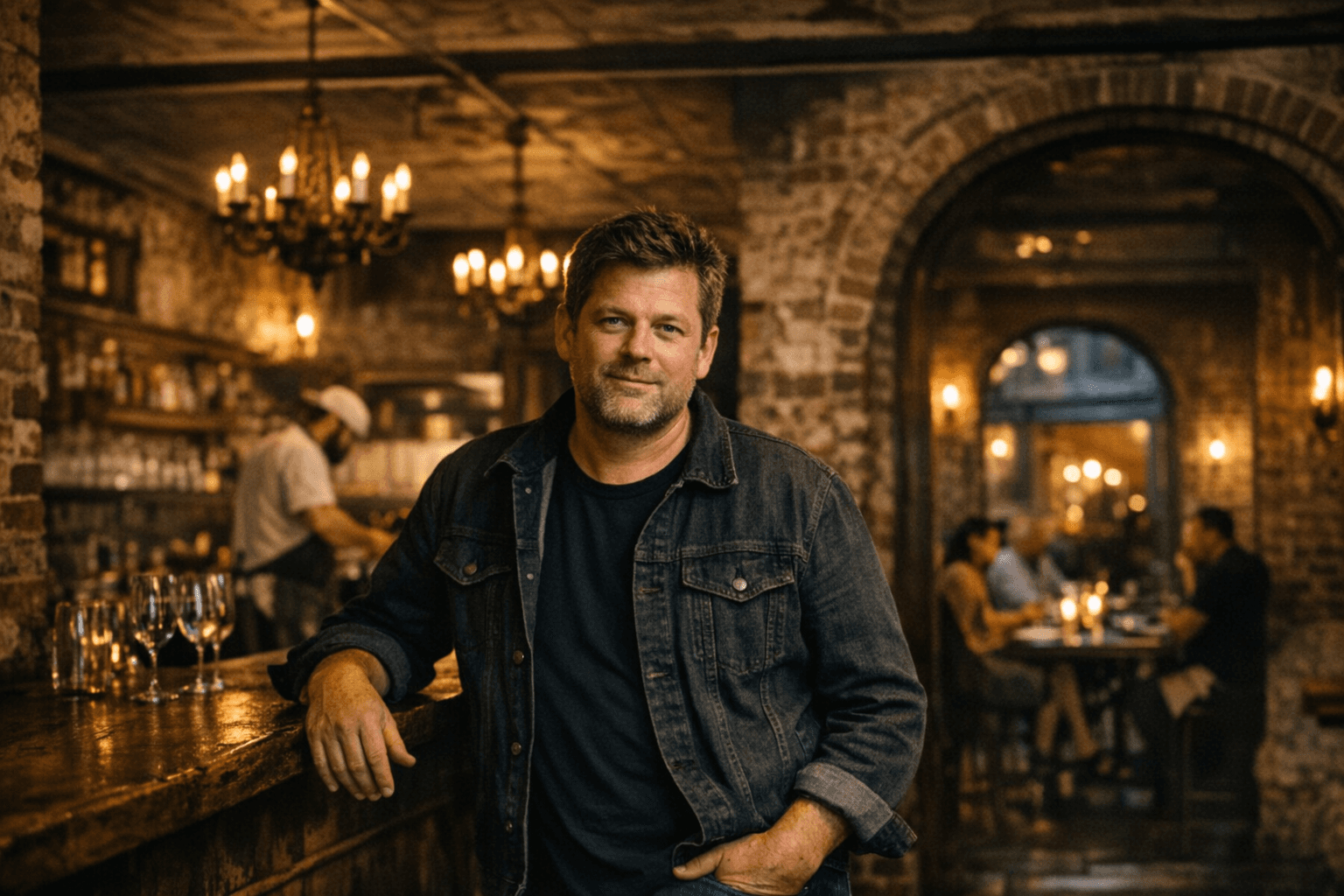
Fishtown’s restaurant map is being redrawn around a single strategy: build enough gravity in one neighborhood that diners come for the district, not just one table. At the center is Defined Hospitality, the Philadelphia group led by chef Nick Kennedy, which says it is a collection of award-winning restaurants and a cocktail bar with locations in Fishtown and Center City Philadelphia. In Fishtown alone, its footprint now includes Suraya, Pizzeria Beddia, Condesa, R&D Cocktail Bar, Picnic, Kalaya, and El Techo.
The Kennedy model is bigger than a single hit concept. Kennedy, a Culinary Institute of America graduate, spent 14 years in fine-dining restaurants in New York City before building his Philadelphia base, including stints at Jean-Georges, Del Posto, and Scarpetta. That background matters because it shaped a hospitality group that thinks in terms of precision, pacing, and atmosphere, not just food. The result is a cluster of venues that can reinforce one another, helping shape foot traffic across a neighborhood rather than drawing all demand into one storefront.
That clustering strategy is the core of the business story. Defined Hospitality describes its restaurants as built around design, food, beverage, and hospitality, which gives the group a broader mandate than a traditional chef-led operation. Instead of chasing a single breakout room, the company is assembling a set of destinations that can work together: an all-day café, a bakery-leaning pizza room, a cocktail bar, a modern Thai restaurant, and additional concepts that expand the group’s reach across different dayparts and occasions. In a post-pandemic city, where diners often make decisions by neighborhood and vibe as much as by cuisine, that kind of density can be an advantage.
Suraya helped establish the pattern. The Lebanese all-day café and restaurant concept in Fishtown became one of the neighborhood’s defining dining addresses, showing how a polished hospitality room could anchor a block and help define the area’s identity. Pizzeria Beddia, Condesa, R&D Cocktail Bar, Kalaya, Picnic, and El Techo extend that same logic across a wider patch of the neighborhood and into nearby East Kensington. The effect is cumulative: each place adds its own audience, but the portfolio also encourages diners to stay in the area longer, return more often, and see the neighborhood as a dining destination rather than a one-off stop.
Picnic is the clearest example of how the group is using historic real estate as part of the product. It opened on July 3, 2024, in a restored 19th-century brewery building at 2421 Martha Street in East Kensington, and it was described as the seventh restaurant project from Defined Hospitality. The building choice is not incidental. Historic structures bring character, but they also signal permanence, giving a restaurant story depth before the first plate leaves the pass. In this case, the architecture becomes part of the appeal, strengthening the sense that the group is not just leasing space, but helping define a neighborhood narrative.
Kalaya fits the same template from a different angle. Its website lists it as powered by Defined Hospitality and located at 4 West Palmer Street in Philadelphia, placing another high-profile room within the group’s orbit. That geographic concentration allows Defined Hospitality to build recognition across multiple venues while keeping them close enough to support one another. For a guest, the decision to visit one restaurant can become a reason to explore the next block, the next concept, or the next occasion.
Fishtown itself is part of why the model works. The neighborhood’s name comes from its shad-fishing economy along the Delaware River in the 18th and 19th centuries, and historical sources describe it as a former industrial hub before it reinvented itself as one of Philadelphia’s busiest dining areas. That past matters because the neighborhood’s brand is already built around transformation. Defined Hospitality is leaning into that identity by placing contemporary restaurants inside spaces that still carry the imprint of the city’s older economic life.
This is the larger lesson for other U.S. cities looking for a post-pandemic recovery playbook. The strongest version of the model does not depend on one blockbuster opening. It depends on a hospitality group creating a small ecosystem, where design, real estate, street life, and multiple concepts work together to keep a neighborhood active across lunch, dinner, drinks, and weekends. If that sounds difficult to replicate, it is. But the ingredients are recognizable: a distinct district with identity, a group willing to invest in more than one door, and spaces with enough history to make the experience feel rooted rather than imported.
Defined Hospitality’s network also shows the limits and discipline required by this approach. The group’s success is tied to recognizable names, experienced operators, and a clear neighborhood focus. Philadelphia Magazine identified Greg Root, Al Lucas, Nick Kennedy, David Reuter, and Roland Kassis as partners at Defined Hospitality during development of what would become the group’s seventh restaurant project, underscoring that this is a collaborative enterprise rather than a solo chef vanity project. That structure matters because a neighborhood strategy only works if the operators can sustain multiple venues without diluting the standards that made the first one matter.
For Fishtown, the payoff is visible in the way the district now functions. Diners do not just arrive for one reservation and leave; they circulate through a network of rooms that reinforce the neighborhood’s draw. For Kennedy and Defined Hospitality, that is the point. The goal is not simply to open restaurants in Fishtown. It is to make Fishtown itself feel like the destination, with historic spaces, layered concepts, and a hospitality portfolio strong enough to keep the neighborhood on the city’s dining map.
This article was produced by Prism’s automated news system from verified source data, official records, and press releases, then run through automated quality and moderation checks before publishing. The system is built and supervised by the people who set the standards it runs under. Read our full AI policy.
Did this article answer your question?