Nigeria begins repatriating citizens from South Africa after xenophobic attacks
Nigeria started flying citizens home from South Africa as xenophobic attacks spread, with the first repatriation flight carrying about 262 returnees to Lagos.
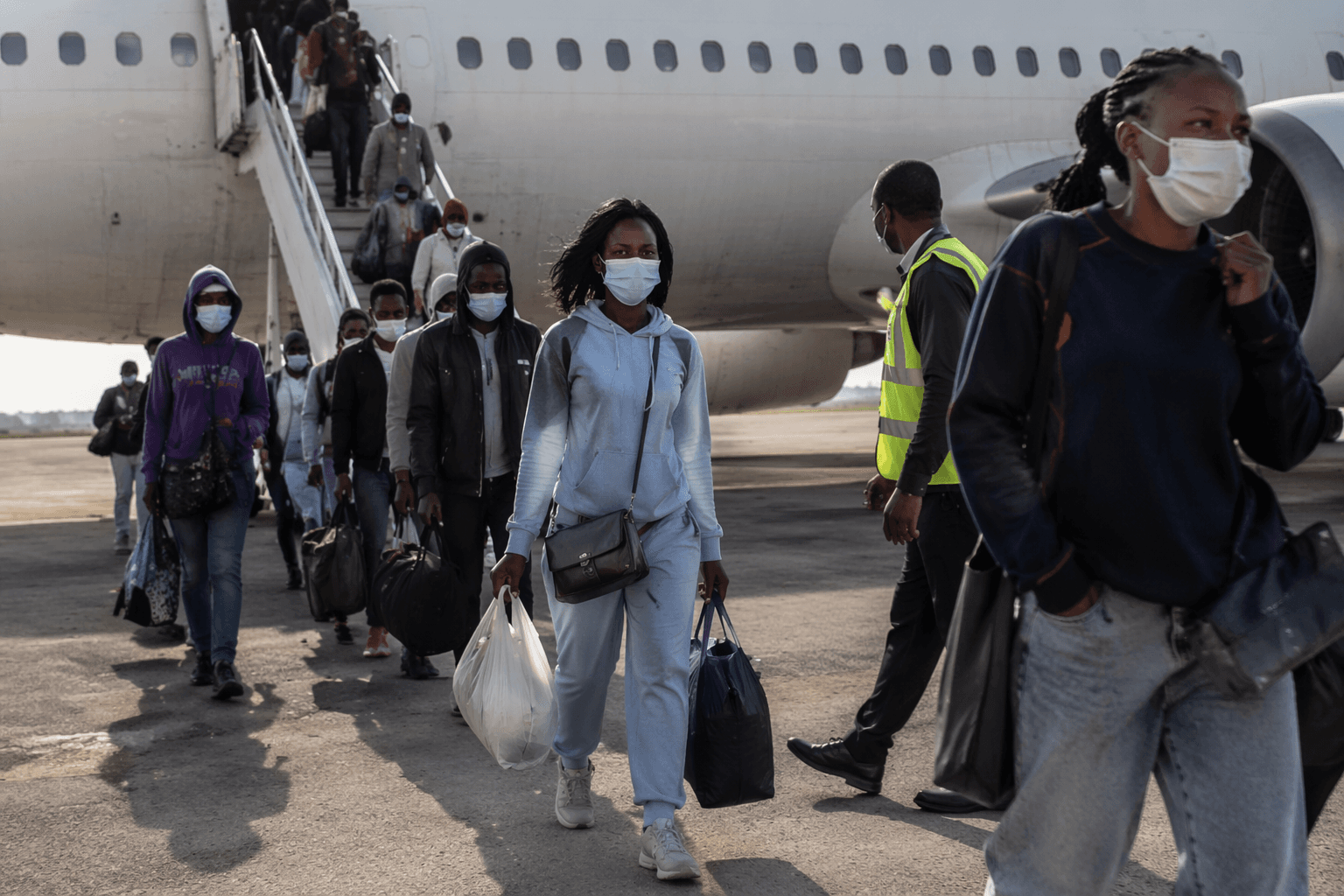
Nigeria’s decision to bring home citizens from South Africa has turned a surge of anti-migrant violence into a diplomatic problem for Africa’s most populous states. The first evacuation flight carried about 262 Nigerians from Johannesburg to Lagos, while Abuja said it was preparing to repatriate more than 1,000 people as tensions over foreign nationals again flared in South Africa.
The move came after renewed xenophobic and anti-immigrant protests that have left many migrants fearful and forced several governments to act. Nigeria’s Ministry of Foreign Affairs, through spokesperson Kimiebi Ebienfa, confirmed the repatriation plan, and the Nigerians in Diaspora Commission announced the first departures. Screening for a voluntary repatriation programme began on Thursday, June 5, with at least 130 Nigerians initially signing up to return.
The size of the operation has shifted across official and media accounts, reflecting the speed of the crisis and the pressure on consular officials. Some reports put the first wave at about 500 people, while other accounts said Nigeria could eventually fly between 2,000 and 4,000 citizens home. The first flight was delayed from an earlier Monday departure date before leaving on Thursday, June 11, underscoring how tense the situation had become on the ground in Johannesburg and Gauteng.
The evacuations also deepened friction between Abuja and Pretoria. South Africa reportedly objected to Nigeria’s initial evacuation plan, and Nigeria summoned South Africa’s envoy as the dispute escalated. That dispute matters because it shows how quickly attacks on foreign nationals can spill beyond street violence into questions of state responsibility, border politics and regional diplomacy.
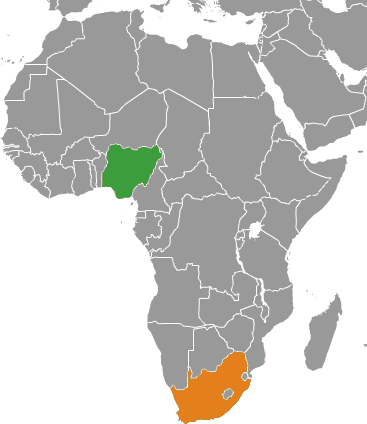
Nigeria is not alone. Mozambique and Ghana have also organized returns for their citizens from South Africa during the unrest, a sign that anti-foreigner violence in one country is now reshaping movement across the continent. For African governments, the episode is a sharp reminder that pan-African language carries little weight when migrants are threatened in places where economic stress, resentment over jobs and housing, and hardening nationalist politics collide.
This article was produced by Prism’s automated news system from verified source data, official records, and press releases, then run through automated quality and moderation checks before publishing. The system is built and supervised by the people who set the standards it runs under. Read our full AI policy.
Know something we missed? Have a correction or additional information?
Submit a Tip