Nigeria hits militants in northeast as kidnappings surge in southwest
Airstrikes in the northeast killed more than 20 militants, but kidnappers seized dozens of schoolchildren and teachers in Oyo State, exposing Nigeria’s split security crisis.

Nigeria’s security crisis widened on two fronts at once: while joint airstrikes hit Islamic State-linked militants in the northeast, gunmen in the southwest abducted schoolchildren and teachers, underscoring how military pressure in one region has done little to calm daily fear in another.
U.S. Africa Command said it carried out additional kinetic strikes on May 17 in northeastern Nigeria in coordination with the government in Abuja. Nigerian Defence Headquarters said the raids killed more than 20 Islamic State West Africa Province fighters. AFRICOM said intelligence confirmed the targets were ISIS militants and that no U.S. or Nigerian forces were harmed. The strikes followed a separate operation on May 16 that killed Abu-Bilal al-Minuki, whom U.S. and Nigerian officials described as a senior Islamic State figure in the region.
The northeast campaign has remained focused on dismantling ISWAP networks in a conflict that has endured for years around Borno State and the Lake Chad Basin. Officials said the latest strikes hit convergence points for fighters, part of a sustained effort to disrupt militant movement and leadership structures. But the gains on the battlefield have not translated into a broader sense of safety across Nigeria.
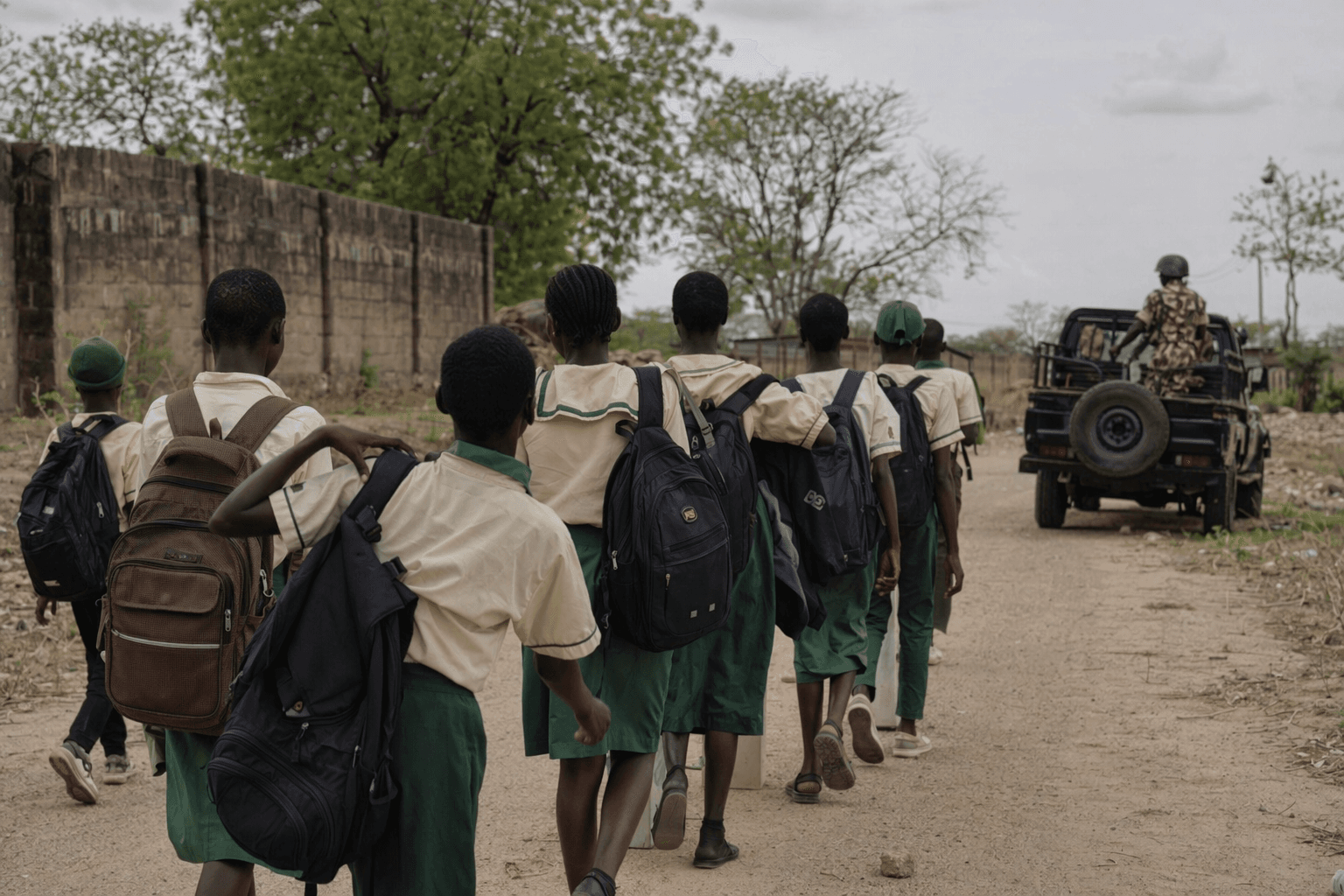
In Oyo State, armed men mounted coordinated raids on three schools, abducting at least 39 schoolchildren and seven teachers, according to Reuters reporting. The Christian Association of Nigeria in Oyo said 46 people were taken, most of them children between 2 and 16, and local accounts said a two-year-old girl was among the victims. One teacher was killed in captivity, and security operatives were wounded by explosive devices during a rescue attempt. Governor Seyi Makinde said the state would not give in to terror and confirmed that seven teachers were abducted.
Oyo State authorities later ordered schools in Oriire Local Government Area and nearby districts to reopen after deploying additional security personnel, a sign of how quickly officials were trying to restore normal life even as parents and teachers remained on edge. The attacks fit a pattern that has become painfully familiar across Nigeria: militants, bandits and kidnappers exploiting gaps in state protection, with schools and rural communities often the easiest targets.
Save the Children said there had been at least 10 school kidnappings in Nigeria since January 2024, affecting more than 670 children. The mass abduction of 276 schoolgirls in Chibok in 2014 still looms over every new attack, and the latest raids revived the same question that has shadowed Nigerian security policy for years: whether operations against armed groups are making civilians safer, or merely pushing violence into new territory.
This article was produced by Prism’s automated news system from verified source data, official records, and press releases, then run through automated quality and moderation checks before publishing. The system is built and supervised by the people who set the standards it runs under. Read our full AI policy.
Did this article answer your question?