Nigeria Summons South African Envoy Over Attacks on Nationals
Nigeria called in South Africa’s envoy after attacks on Nigerians and their businesses, sharpening fears that xenophobic unrest could spill into broader African diplomacy.
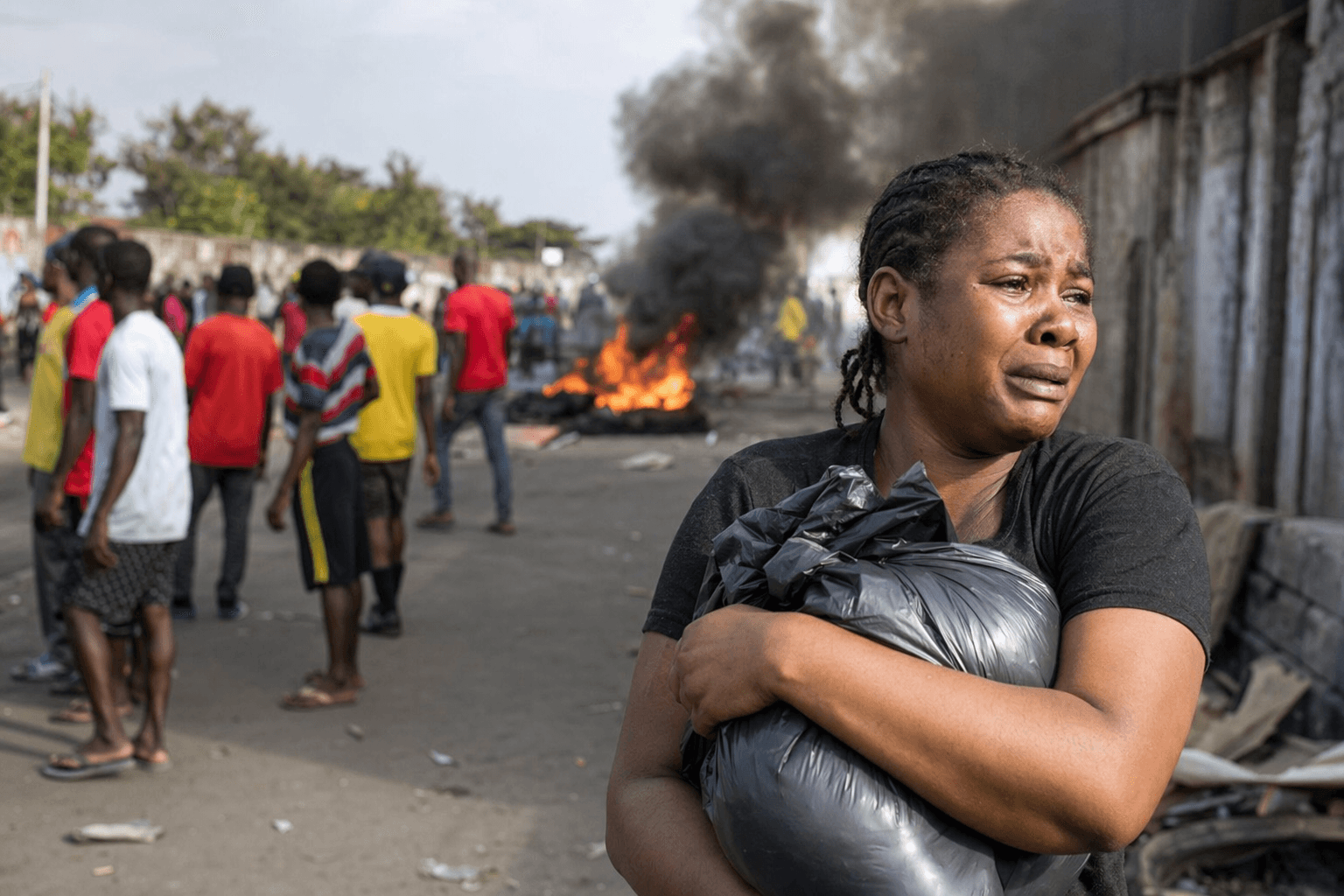
Nigeria summoned South Africa’s Acting High Commissioner to Abuja after a wave of anti-foreigner protests in South Africa was linked to harassment, violence, looting and the destruction of property targeting Nigerians and other foreign nationals.
The meeting was set for Monday, May 4, 2026, at the Ministry of Foreign Affairs headquarters in Abuja, with Nigerian officials expected to press Pretoria for stronger protection of Nigerian citizens and the businesses they run across South Africa. The move came as reports mounted of attacks on foreigners during late-April demonstrations in Johannesburg and Pretoria, where anti-immigration groups marched for tighter enforcement of immigration laws and mass deportations.
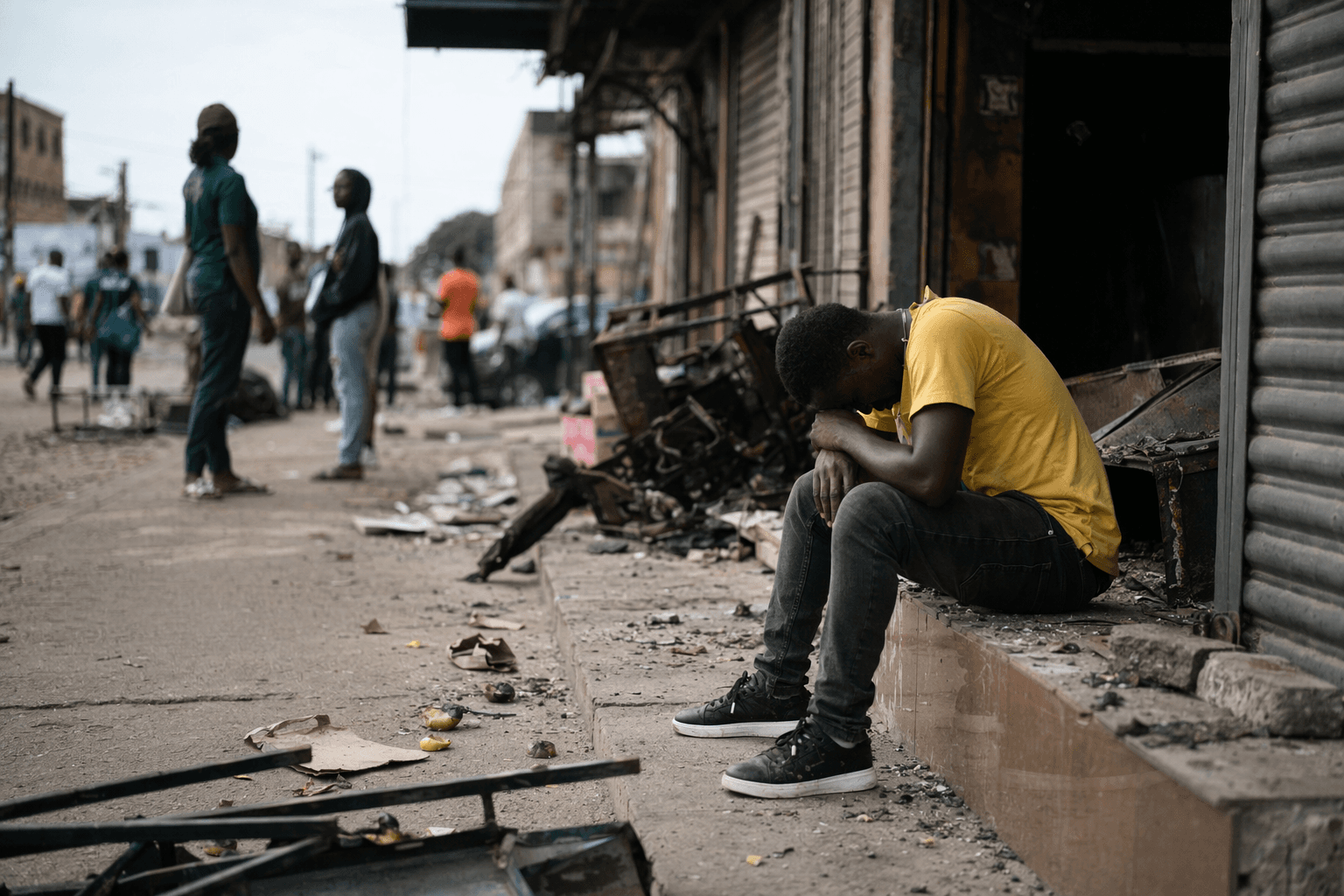
South African authorities have said attacks on foreign nationals are unlawful and will not be tolerated. Police have been instructed to arrest anyone involved in xenophobic violence or intimidation, a response aimed at containing unrest that has repeatedly flared in the country’s major cities. Protesters have denied being xenophobic, even as their marches have centered on illegal immigration and the pressure it puts on jobs, housing and public services.
The latest turmoil carries added weight because South Africa is home to more than three million foreign nationals, about 5.1% of the population, according to official figures. More than 63% of those foreigners come from the SADC region, underscoring how quickly domestic anger in South Africa can ripple across neighboring states. South Africa’s border management agency has also said it intercepted more than 530,000 people attempting to enter the country illegally since July 2022, a sign of the scale of migration pressure shaping the political debate.
For Nigeria, the summons signals more than consular concern. It reflects a long-standing sensitivity in Abuja to the treatment of Nigerians abroad, especially in South Africa, where previous xenophobic eruptions in 2008, 2015 and 2019 damaged relations and triggered diplomatic retaliation, including recalls of envoys and public condemnation. The two countries have a deep political history shaped in part by Nigeria’s support for the anti-apartheid struggle, which makes repeated anti-immigrant flashpoints especially corrosive.
The latest confrontation shows how domestic unrest inside South Africa can quickly become a regional diplomatic problem. If Pretoria cannot curb violence against foreigners, the strain is likely to deepen not only with Nigeria but across the continent, where governments are increasingly being judged on whether they can protect their nationals abroad.
This article was produced by Prism’s automated news system from verified source data, official records, and press releases, then run through automated quality and moderation checks before publishing. The system is built and supervised by the people who set the standards it runs under. Read our full AI policy.
Did this article answer your question?