NIH trial finds symptom-based opioid treatment shortens newborn hospital stays
Symptom-based opioid dosing helped newborns leave the hospital about two days sooner in an NIH trial. The strategy also cut medication exposure for babies with opioid withdrawal.
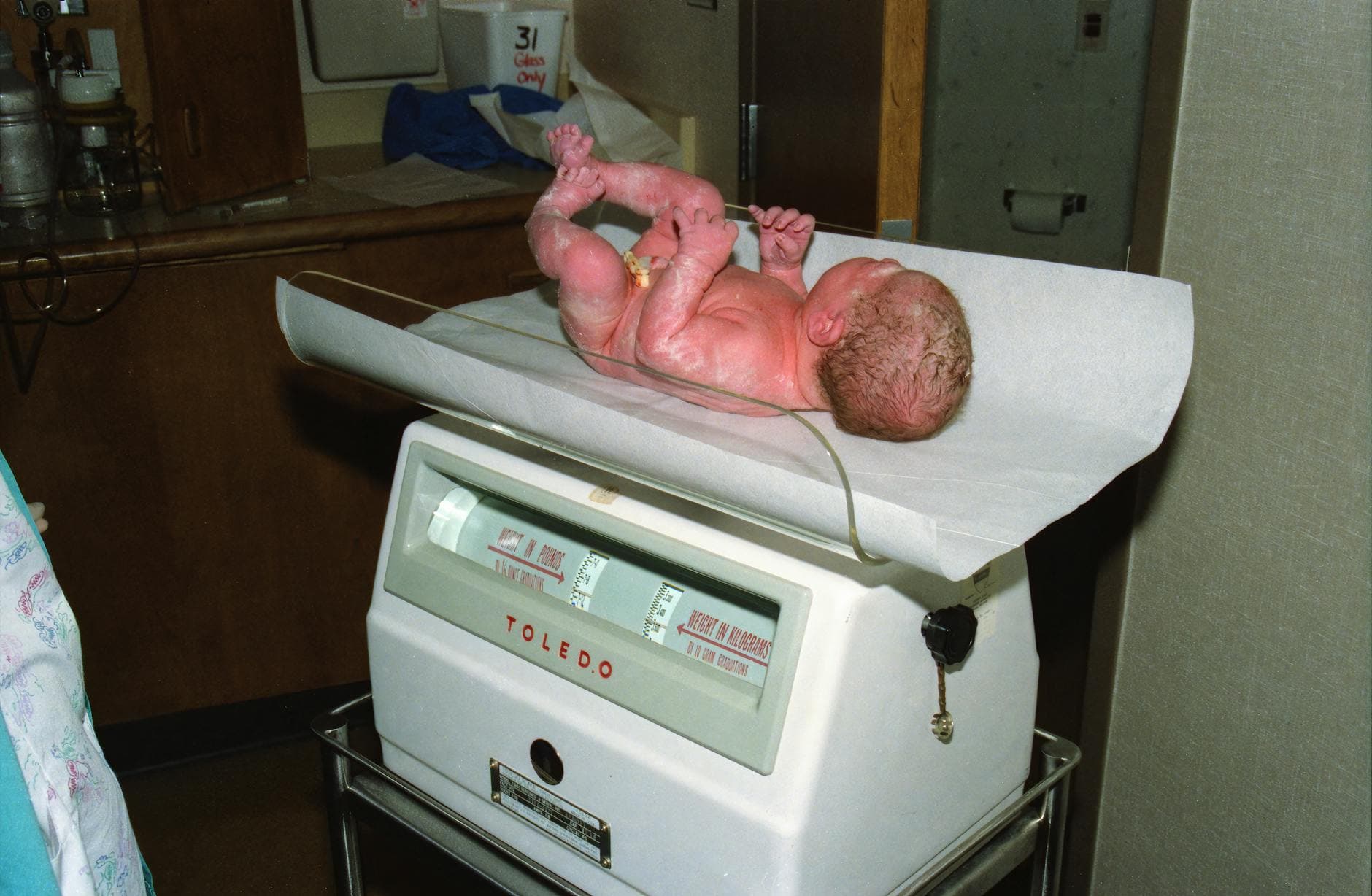
A symptom-based treatment strategy helped newborns with opioid withdrawal get ready for discharge about 2.3 days sooner than babies treated on a fixed taper, offering hospitals a potential path to reduce medication exposure without leaving infants undertreated. In the NIH-funded OPTimize NOW trial, 383 infants in the family-centered Eat, Sleep, Console model were split between scheduled opioid dosing and treatment only when symptoms crossed a preset threshold.
The primary group included 194 infants on scheduled doses and 189 infants in the symptom-based arm. Among babies at least 36 weeks’ gestation, those treated only when symptoms warranted medication reached medical readiness for discharge in 9.18 days, compared with 11.61 days for the scheduled-taper group. Thirty-five percent of infants in the symptom-based group eventually needed scheduled dosing, showing that some babies still required a more traditional medication plan.
The findings point to a practical shift in how hospitals manage neonatal opioid withdrawal syndrome, a diagnosis the JAMA summary says occurs roughly every 27 minutes in the United States. The condition has grown alongside the opioid epidemic, with the trial protocol noting that opioid use and misuse during pregnancy rose from 1.5 to 6.5 per 1,000 deliveries between 1999 and 2014, while NOWS increased about fivefold. For families, even a shorter stay can mean fewer days separated from a newborn, less drug exposure, and a faster move toward feeding and bonding at home.

The study was a cluster-crossover randomized clinical trial at 23 U.S. hospitals, with 626 infants randomized overall. JAMA’s research summary said the secondary Finnegan cohort included 243 infants, and it found no significant difference in the risk of starting pharmacologic treatment or in overall length of stay. Safety follow-up was assessed at 3 months of age. Lori Devlin, a pediatrics professor at the University of Louisville and Norton Children’s Neonatology, said the goal is to match treatment to disease severity so clinicians can speed recovery while minimizing exposure.
The question now is which hospitals can move quickly enough to make the change. NIH said several sites in the trial have already adopted symptom-based dosing, which suggests the barrier may be less about proof than about staffing, training, and culture. Hospitals still centered on Finnegan scoring may need to retrain nurses and physicians in Eat, Sleep, Console workflows, symptom thresholds, and the guardrails that prevented undertreatment in the trial. The broader help for NOWS work, part of the HEAL Initiative’s HELP for NOWS consortium, gives the result added weight in a health system still struggling to absorb the costs of the opioid crisis.
This article was produced by Prism’s automated news system from verified source data, official records, and press releases, then run through automated quality and moderation checks before publishing. The system is built and supervised by the people who set the standards it runs under. Read our full AI policy.
Did this article answer your question?