Backyard poultry linked to multistate salmonella outbreak, 34 sickened in 13 states
Backyard birds sickened 34 people in 13 states, and some samples resisted common antibiotics, raising the risk for families who handle poultry.
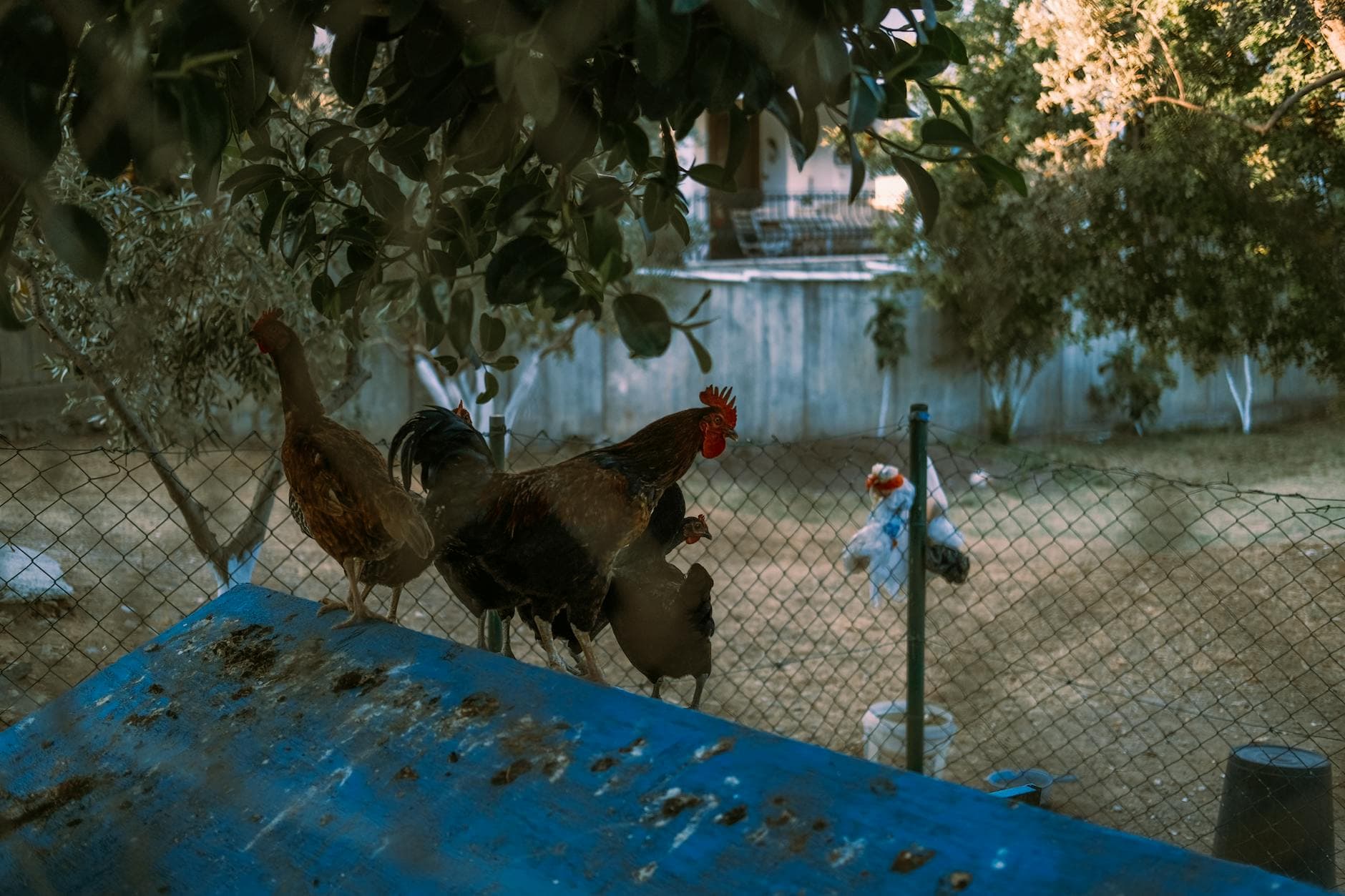
Backyard birds moved through retail channels have sickened 34 people in 13 states, and laboratory tests suggested some of the infections may resist common antibiotics. The Centers for Disease Control and Prevention identified the strain as Salmonella Saintpaul and said 13 people were hospitalized, with cases reported in Florida, Illinois, Indiana, Kentucky, Maryland, Maine, Michigan, Mississippi, New Hampshire, Ohio, Tennessee, Wisconsin and West Virginia. No deaths were reported in the CDC’s April 23 update.
The illness pattern pointed strongly to backyard poultry. Health officials interviewed 29 people, and 23 of them, or 79%, said they had contact with backyard birds. Among 14 people who owned poultry, 13 said they got their birds since January 1, 2026. The CDC said that recent illnesses may not yet have been reported because it often takes three to four weeks to confirm whether a sick person is part of an outbreak, which means the final count could rise. The agency also said the true number of infections is likely higher because many people recover without being tested.
The outbreak matters far beyond chicken coops. Backyard poultry can include chickens, ducks, geese, guinea fowl and turkeys, all of which can carry germs that spread to people. Children younger than 5, adults 65 and older, and people with weakened immune systems are more likely to become seriously ill. Families should treat handling birds, their food and the surfaces around them as a contamination risk, especially when birds come home from agricultural retail stores or other sellers.
Symptoms can start with diarrhea, fever, vomiting and stomach cramps, and people who become very ill, or show signs of dehydration, need prompt medical care. That warning is sharper in this outbreak because some of the samples showed resistance to at least one medication used to treat salmonella, and some appeared resistant to four other common antibiotics. When the usual drugs work less well, infections can last longer and complications can become harder to control.
Public-health officials have seen this pattern before. In 2025, a backyard poultry outbreak sickened 559 people in 48 states, with 125 hospitalizations and two deaths, part of a broader history of repeated outbreaks tied to birds kept at home. The National Poultry Improvement Plan, a federal-state-industry program created in 1935, was built in part to reduce poultry disease and improve flock health, a reminder that salmonella control has long been a national agriculture and health concern.
This article was produced by Prism’s automated news system from verified source data, official records, and press releases, then run through automated quality and moderation checks before publishing. The system is built and supervised by the people who set the standards it runs under. Read our full AI policy.
Did this article answer your question?