Nikkei posts record quarterly gain as tech shares surge
Japan’s Nikkei capped April-June with a 37% surge, but the rally was led by a narrow band of chip and AI names, not the whole market.

Japan’s Nikkei 225 closed at 70,062.32 on June 30, rising 0.86% and sealing the benchmark’s strongest quarter on record. The Topix also advanced, ending the day at 4,010.88, but the quarter’s message was clearer in the Nikkei’s 37% jump from April through June, the biggest three-month gain in data going back to 1965.
The advance was driven by a familiar cluster of technology names, especially semiconductors and artificial intelligence-linked shares that had fallen earlier in the month and then snapped back. Global risk appetite helped, with the Nasdaq climbing 2.04% overnight as major U.S. technology stocks recovered and investors grew more comfortable after the United States and Iran agreed to resume talks. Japan’s rally had already been building before the final day of the quarter: on June 25, the Nikkei hit a fresh record closing high of 72,366.34.

That strength, however, was narrow. The Tokyo market finished June 30 with 104 advancers and 121 decliners, a reminder that the index’s headline gains were being carried by a relatively small number of heavyweight stocks rather than by a broad move across Japanese equities. Taiyo Yuden, Furukawa Electric and Screen Holdings were among the strongest performers, while NEC, Nitori Holdings and Konica Minolta lagged. Maki Sawada of Nomura Securities said the rebound was centered on semiconductor-related and AI-related shares that had recently sold off, while the wider market remained weak.
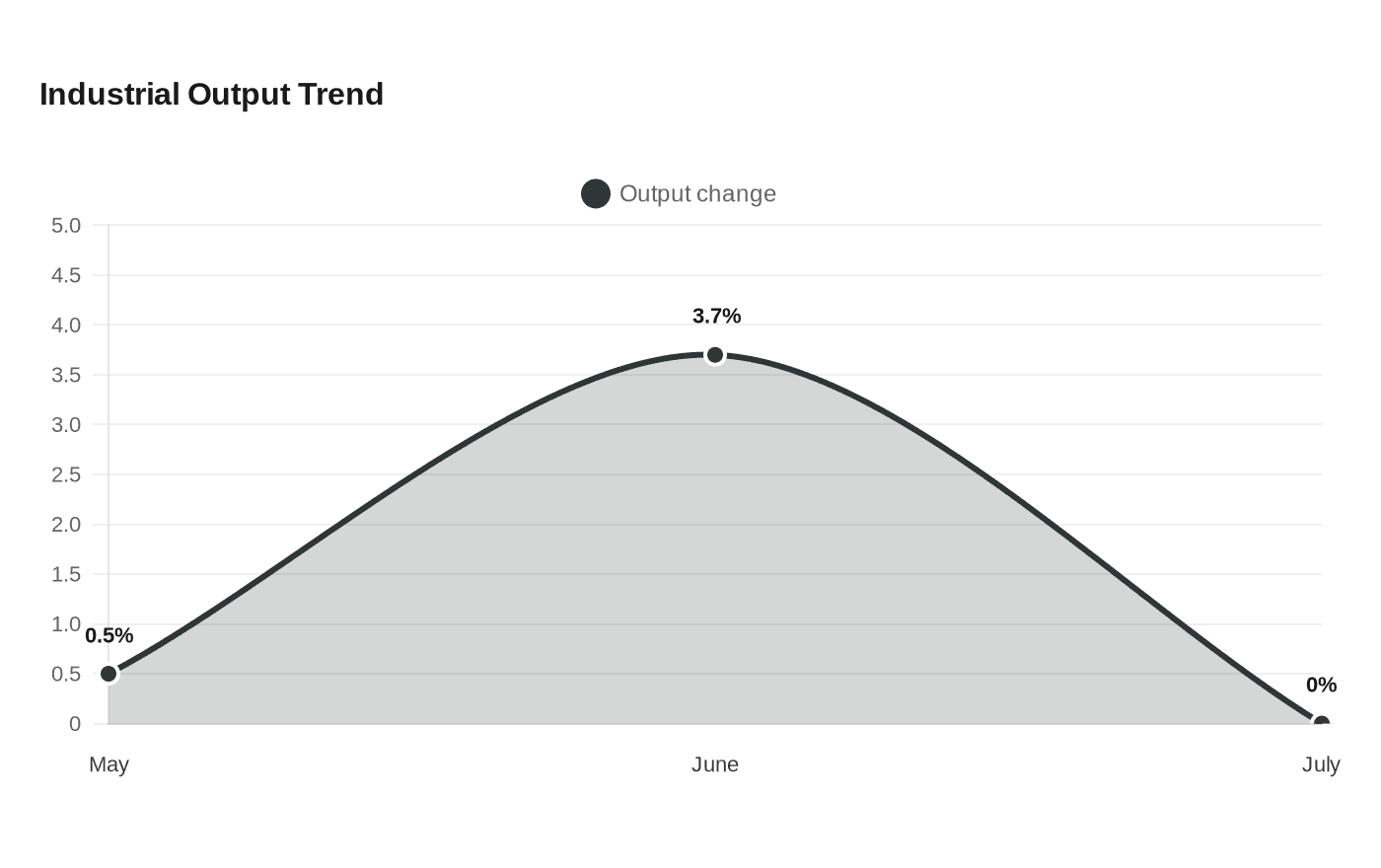
The quarter’s record also landed against a domestic economy that was improving, but only modestly. Japan’s industrial output rose 0.5% month on month in May, below the 1.1% market forecast, suggesting manufacturing had not lost momentum but was still short of expectations. The Ministry of Economy, Trade and Industry’s survey pointed to a 3.7% rise in output in June and flat production in July, leaving factory sentiment constructive even as the latest official data undershot forecasts.
That mix, a blistering run in chip and AI names, support from Wall Street, and only partial confirmation from domestic data, shows why the Nikkei’s surge is being read less as a broad market re-rating than as a referendum on Japan’s technology trade. The gains have come fast, and the records keep coming, but June 30 showed how much of the move still depends on a handful of sectors staying in favor.
This article was produced by Prism’s automated news system from verified source data, official records, and press releases, then run through automated quality and moderation checks before publishing. The system is built and supervised by the people who set the standards it runs under. Read our full AI policy.
Did this article answer your question?