Nine Startups Transform Self-Care Gifting with Data-Driven Personalization
Personalization is no longer optional: nine startups and platform innovators are turning self-care gifting into tailored, data-driven experiences that scale.
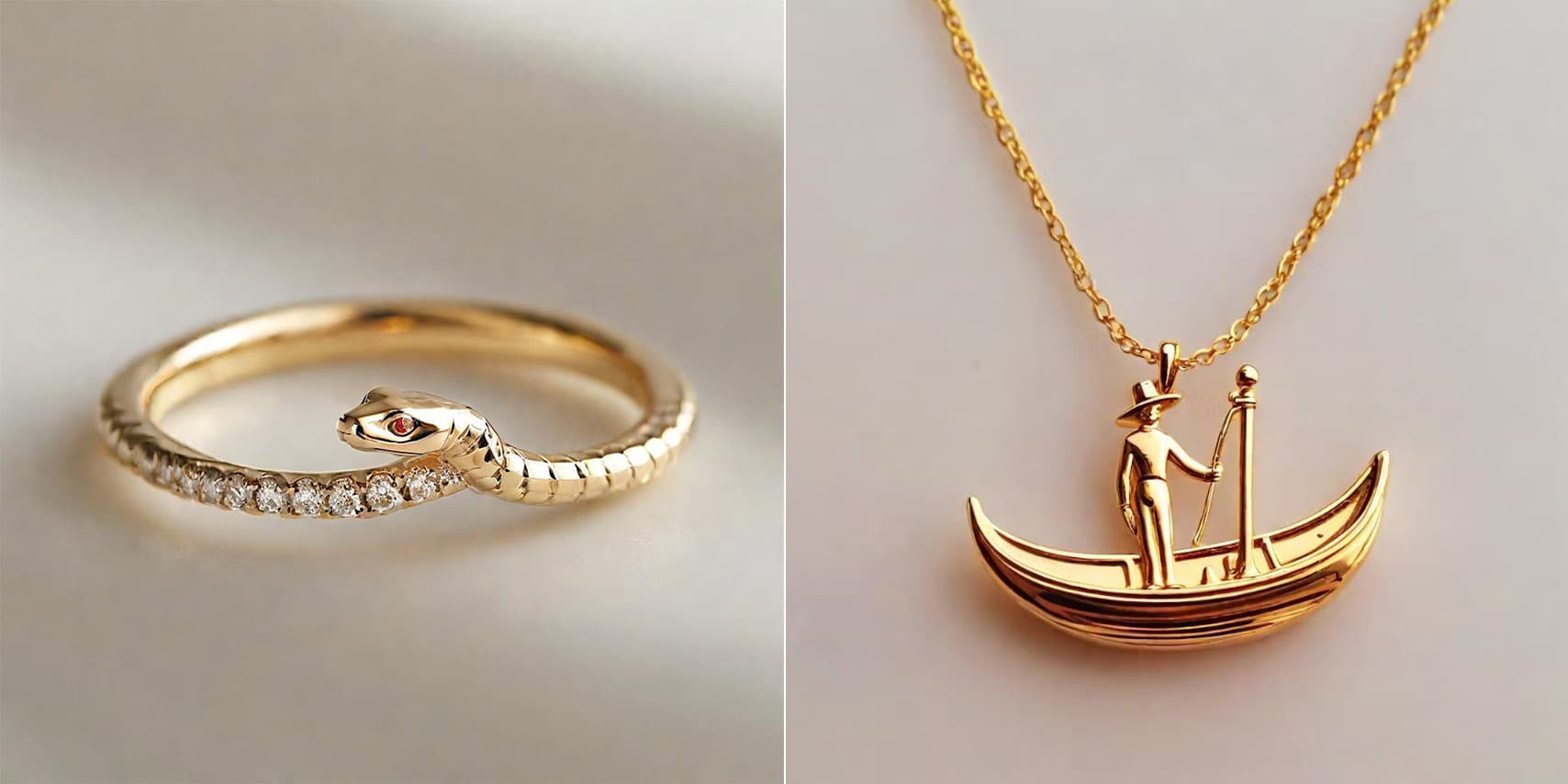
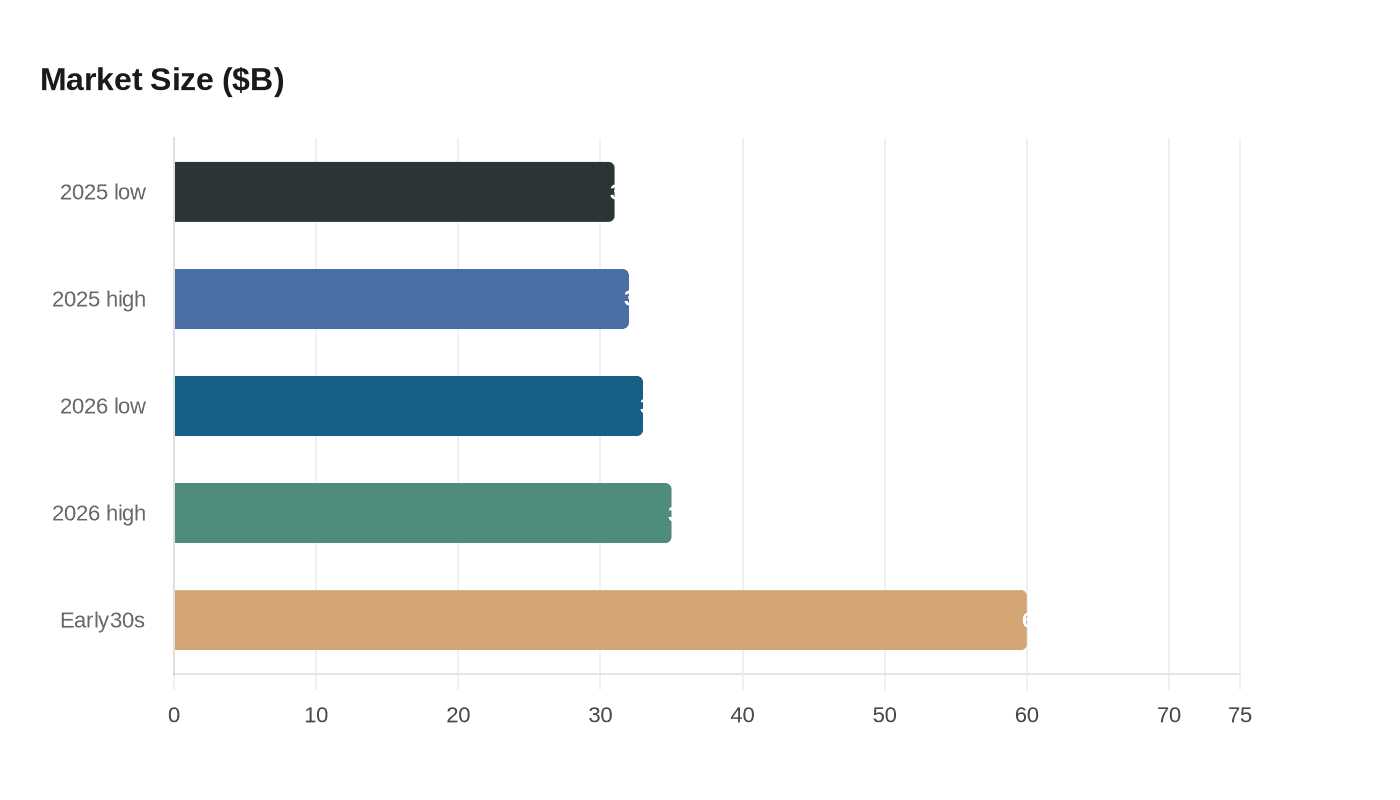
The personalized-gift market has reached real scale — roughly $31–32 billion in 2025 and projected to $33–35 billion in 2026 — and the early‑2030s forecast tops $60 billion. With 54% of consumers saying they’ll pay a premium for products that reflect individuality, and Millennials and Gen Z now dominating online shoppers, the next wave of self-care gifts is being engineered where data, design, and on-demand production meet.
PeaPrint — print-on-demand infrastructure that lets merchants scale personalization PeaPrint is the clearest example of how logistics decide winners. Described as a print-on-demand platform for e-commerce sellers and brands, PeaPrint supports apparel, home, and gift categories and combines integrated design and preview tools with automated order processing. That stack “allows merchants to offer customized products without managing inventory or manufacturing logistics,” and — as the market analysis notes — “By reducing operational barriers and enabling scalable on-demand production, platforms such as PeaPrint are positioned to support merchants participating in the continued expansion of the global personalized gifts market.” If you’re shopping for a maker or small brand that wants custom self-care towels, robes, or aromatherapy kits, PeaPrint-style platforms are the invisible partner that turns bespoke ideas into shippable products.
Nirva — wearable tech feeding personalization engines Seedtable’s data-driven roundup (summarized in Prism News) explicitly highlights wearable tech as an input to personalization engines, with Nirva called out as an example. The implication is powerful for self-care: wearables that capture sleep, stress, or skin hydration data can feed recommendation engines so a gift box arrives already tuned to someone’s real needs. The Prism News summary even truncates into the next trend — “allergy- or ingredient-aware pro” — which signals that startups like Nirva are only one piece of an ecosystem pairing biometric or preference signals with customized product selection.
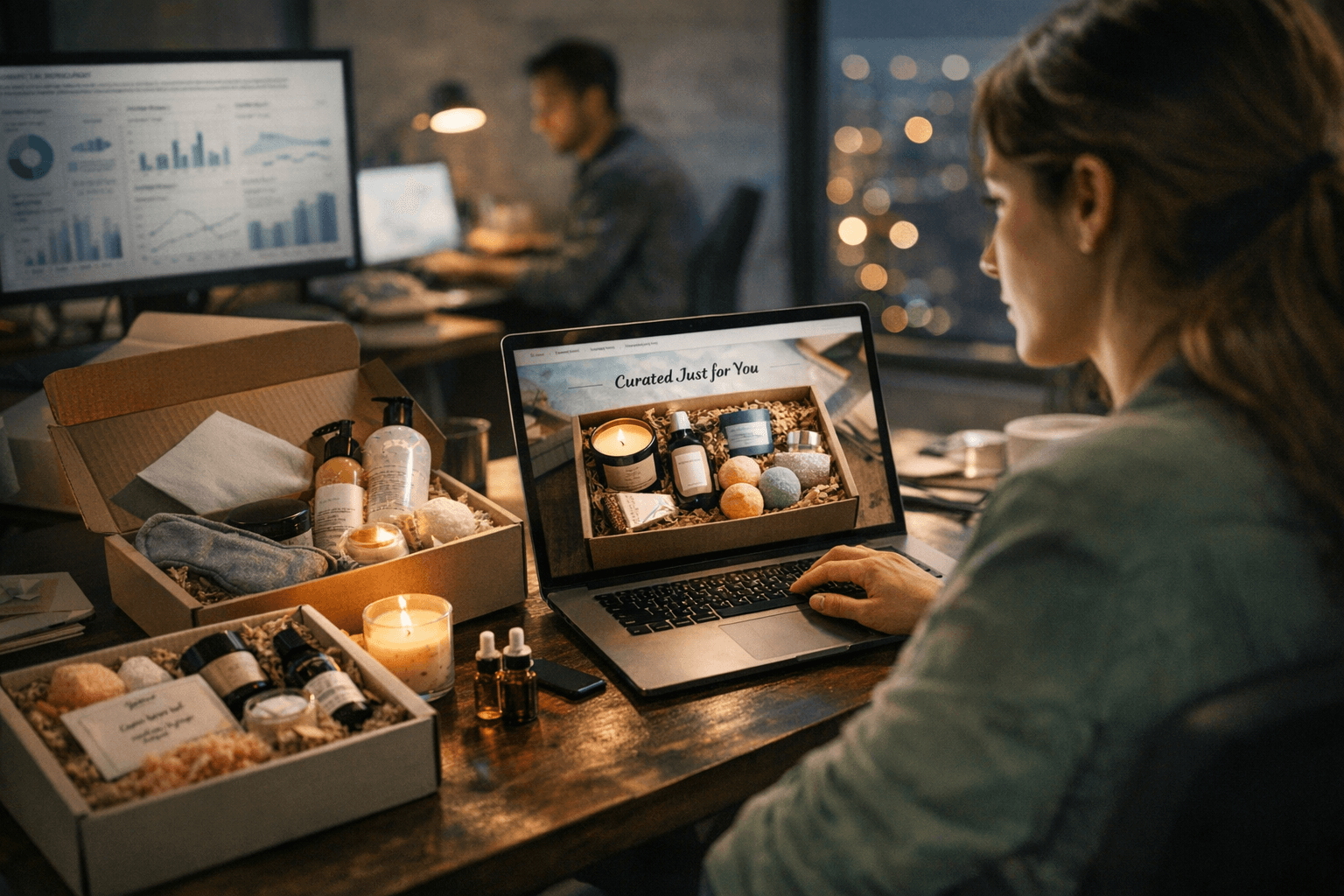
Hamper Lounge — rethinking the curated self-care hamper “Beyond the wicker” is the precise headline NERDBOT used for Hamper Lounge, and for good reason: the company is being framed as redefining personalised gifting in 2026 with experience-first boxes rather than single items. That aligns with the larger trend Business Mckinneychamber calls “#1: Experience-Driven Gifts Over Single Items.” For anyone you want to spoil with a ritual — a sleep-reset hamper, a mindful-morning kit — companies like Hamper Lounge are packaging discovery, narrative, and small luxuries into a single unboxing moment that reads like care, not commerce. As retail analysts remind us, “the ability for brands to anticipate consumer needs will set them apart from competitors.”
My Igpgift — deep customization for corporate self-care programs If you’re buying on behalf of a company, My Igpgift’s copy reads like a checklist of 2026 corporate gifting expectations: “Gift Event Plan,” “Live Print Gift,” “Quick Print,” and “Small Batch Gift Package.” They list brand partners (PHILIPS, Kingston, Deerma, PILOT, and more) and push personalization beyond a name: tailoring gifts to role, achievement, or a shared project. The service framing captures the payoff in plain language: “This extreme level of personalization sends a clear message: we value our relationship with you as an individual, and this gesture was conceived specifically for you. The sense of prestige and memorable impact created is something standardized gifts cannot achieve.” For HR leaders building wellness programs, that language is the difference between a branded swag bag and a retention-minded self-care ritual.
Business Mckinneychamber — local sourcing and QR‑enhanced experiences Based in Texas, Business Mckinneychamber has refined a model I like for meaningful corporate and event gifting: curated boxes that “tell a story through thoughtfully selected items,” include inserts describing each product and “it's intended purpose,” and add QR codes to a custom playlist, guided meditation, or site of your choice. They’ve delivered local product boxes for conferences and retreats in Miami, New Orleans, Chicago, Las Vegas, San Diego, Park City, Dallas, Austin, “and more!” That local-first curation is ideal for self-care gifts that feel rooted — a Texas-sourced candle, a Park City herbal tea — and the QR ledger turns a box into an ongoing ritual.
AR visualization and the UX startups making gifting less uncertain One of NERDBOT’s tech items calls out Augmented Reality (AR) as a tool to help customers visualize products before purchase — a practical fix for curated self-care, where texture, scale, and placement matter (think bath caddies, diffusers, or a bedside ritual tray). Startups working on AR previews will lower the friction for buyers who want personalization but fear making the wrong choice. When a recipient can see a mug or diffuser beside their bed via AR, the emotional risk of a miss drops and conversion follows.
Ingredient- and allergy-aware personalization (categories seeded, names truncated) Prism News’ Seedtable summary stops mid-phrase at “allergy- or ingredient-aware pro,” which is itself revealing: one axis of personalization is biological and sensorial, not just aesthetic. Startups in this space — some explicitly named in Seedtable, others not included in the excerpt — are tooling for ingredient transparency and allergy-aware curation, a must for self-care products you put on skin or near the face. For anyone buying artisanal serums, exfoliants, or aromatherapy, companies that factor allergies and ingredient sensitivities into recommendations are the ones that will make personalized self-care safe and genuinely useful.
Platform startups beyond print — the silent operational winners Across the coverage, one thesis repeats: “In response, digital platforms integrating design, production, and fulfillment capabilities are playing an increasingly central role in enabling scalable personalization.” That’s not a product trend so much as a competitive moat. Platforms that offer flexible production volumes, integrations with major e-commerce systems, and automated fulfillment let brands test many concepts before scaling — “Flexible production volumes enable sellers to test multiple product concepts before scaling successful designs, while integrations with major e-commerce systems allow personalized offerings to be added with minimal technical complexity.” If you’re gifting someone who runs a small wellness brand, the ability to launch a personalized line quickly is now a serviceable selling point.
Why operational efficiency, not just novelty, decides who wins Tie all of this together and the business reality is blunt: personalization is becoming expected, and the winners will be those who operationalize it. “Looking ahead, continued growth in the personalized gifts market will be shaped less by novelty and more by operational efficiency.” For buyers, that’s good news — it means reliable fulfillment, predictable quality, and the ability to order curated self-care that actually arrives on time and fits the recipient. For gift givers, it means you can stop worrying the bespoke box will be a logistical headache and instead focus on what matters: giving something that feels made for that person.
Conclusion: give better self-care with smarter partners Between PeaPrint-style production platforms, data-fed wearables like Nirva, experiential curators such as Hamper Lounge, and corporate services from My Igpgift and Business Mckinneychamber, 2026 is the year personalized self-care becomes both meaningful and scalable. The market figures are big ($31–32 billion in 2025; $33–35 billion projected in 2026), consumers are willing to pay for individuality, and tech that reduces friction — from AR previews to on-demand manufacturing — will make thoughtful gifting the default, not the exception. If you want to give self-care that reads as care and actually fits the recipient, start with partners that solve the operational problem for you; emotional resonance follows.
Know something we missed? Have a correction or additional information?
Submit a Tip