Ninth Circuit rules Noem unlawfully ended TPS for Venezuelans and Haitians
Ninth Circuit panel finds Secretary Noem exceeded statutory authority in vacating Venezuelan TPS and in early termination for Haitians, a decision with major human consequences.
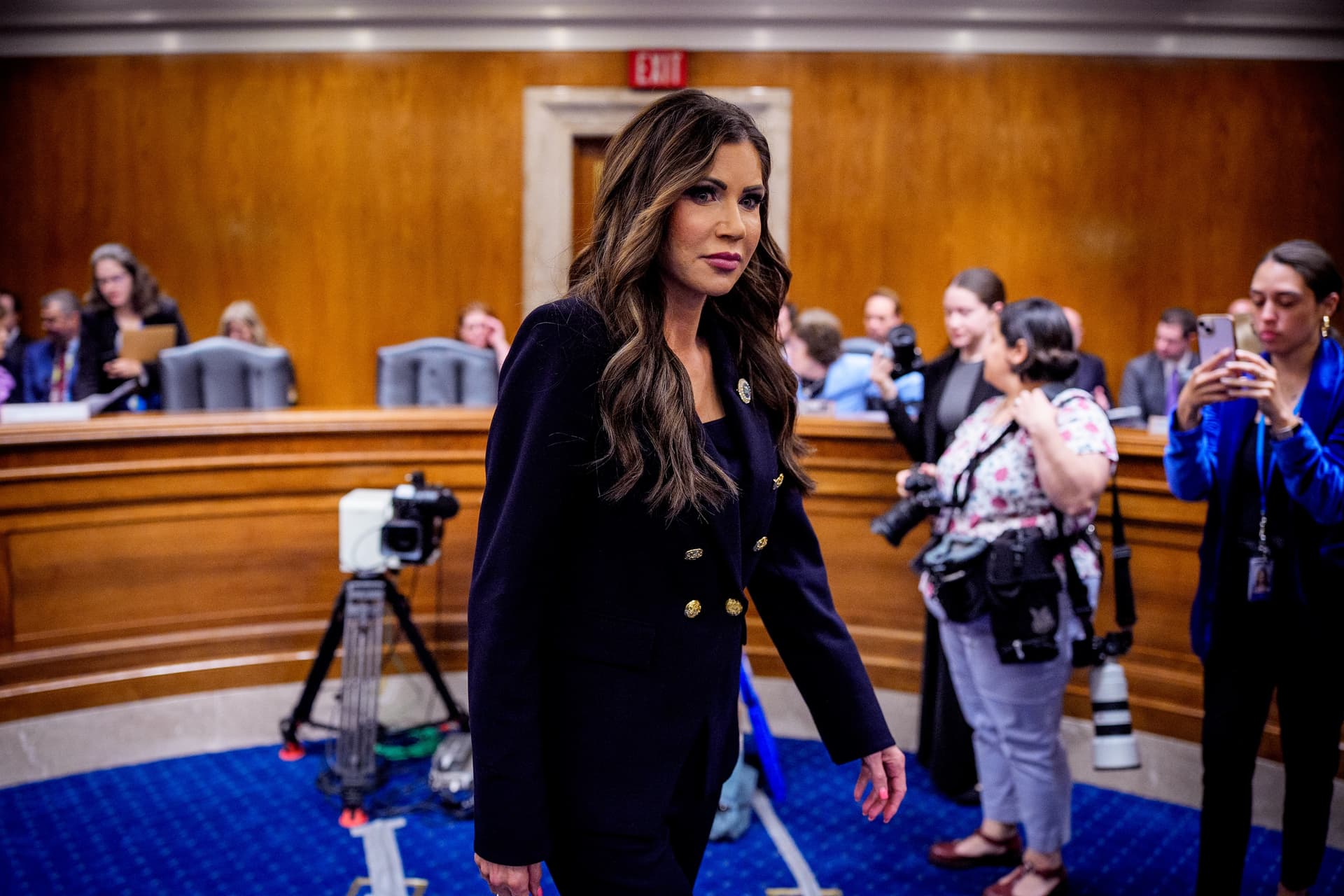
A three-judge panel of the U.S. Court of Appeals for the Ninth Circuit rules that Homeland Security Secretary Kristi Noem exceeded her authority when she vacated a 2023 extension of Temporary Protected Status (TPS) for Venezuelan nationals and when she moved to end Haiti’s TPS early. The panel affirmed a district court order setting aside those actions and framed the dispute as a question of statutory power under the Administrative Procedure Act.
The case is captioned National TPS Alliance et al. v. Noem, No. 25-2120 (D.C. No. 3:25-cv-01766-EMC), and was heard by Judges Kim McLane Wardlaw, Salvador Mendoza, Jr., and Anthony Johnstone. The court filing excerpt supplied with the opinion lists the matter as argued on July 16, 2025 with an August 29, 2025 entry; some public accounts also cite January 29, 2026 as the panel decision date. The apparent discrepancy in reported dates underscores the need to consult the court’s official docket for the opinion’s formal filing date.
Writing for the panel, Judge Wardlaw relied on the structure of the TPS statute to conclude that the statute authorizes designation, extension, or termination but does not permit the secretary to vacate an already granted extension. As the opinion put it, Secretary Noem’s action “fundamentally contradict[s] Congress’s statutory design, and her assertion of a raw, unchecked power to vacate a country’s TPS is irreconcilable with the plain language of the statute.” Wardlaw emphasized the statute’s safeguards, writing, “The statute contains numerous procedural safeguards that ensure individuals with TPS enjoy predictability and stability during periods of extraordinary and temporary conditions in their home country.” She added that Noem’s moves produced tangible harms: “Unlawful actions have had real and significant consequences” and noted that “the record is replete with examples of hard-working, contributing members of society, who are mothers, fathers, wives, husbands, and partners of U.S. citizens, pay taxes, and have no criminal records, who have been deported or detained after losing their TPS.”
Judge Salvador Mendoza wrote separately to concur in the judgment but added that he would also find the administration’s decision unlawful because, in his view, it was motivated by racial animus; his concurrence recounts a history of disparaging statements directed at the Venezuelan population. Anthony Johnstone joined the panel.

The ruling’s immediate practical impact is constrained by parallel litigation. The U.S. Supreme Court in October allowed Noem’s decision to take effect pending further review, and the Ninth Circuit opinion will not automatically restore protections while that order remains operative. A federal judge in Washington is expected to rule soon on a request to pause the scheduled termination of Haiti’s TPS, which sources say “is scheduled to end on February 3.”
Estimates of those affected vary by source. The National TPS Alliance and allied advocates cite 600,000 Venezuelans; a PBS reference puts the figure at “more than 300,000,” and other reporting describes “hundreds of thousands.” Advocates warned that, despite the appellate ruling, many TPS holders remain at risk. Jessica Bansal of the National Day Laborer Organizing Network said, “Despite the Ninth Circuit affirming–again–that Secretary Noem violated the law when she revoked TPS for 600,000 Venezuelans, TPS holders still face detention and deportation because a Supreme Court shadow docket order lets the revocation take effect anyway. The extent of lawlessness in our immigration system right now is truly difficult to comprehend.”
The Department of Homeland Security criticized the decision, with a spokeswoman calling it a “lawless and activist order from the federal judiciary” that continues to “undermine our immigration laws.” The case frames a broader legal question about executive power over humanitarian protections, and its ultimate resolution could shape enforcement, migration flows, and U.S. obligations to people displaced by crisis in Venezuela and Haiti.
This article was produced by Prism’s automated news system from verified source data, official records, and press releases, then run through automated quality and moderation checks before publishing. The system is built and supervised by the people who set the standards it runs under. Read our full AI policy.
Did this article answer your question?

