Nissan CEO says U.S. comeback is underway, but brand still lags
Nissan’s U.S. sales rose 9.6% to 242,741 in the second quarter, but Ivan Espinosa still has to undo years of rental-car stigma and weak brand trust.

Nissan's U.S. sales rose 9.6% in the second quarter to 242,741 units, but Ivan Espinosa still faces a bigger test than a quarterly bounce: convincing American buyers that Nissan is a brand worth keeping, not just renting. The company’s U.S. market share remains just above 6%, down from roughly 9% a decade ago, a gap that shows how much ground the Japanese automaker still has to recover.
Espinosa, who became Nissan president and chief executive in April 2025, made the United States central to his turnaround plan almost immediately. In May 2025, Nissan launched Re:Nissan, a recovery program that calls for 20,000 job cuts, a reduction in the global factory footprint from 17 plants to 10 by fiscal 2027, and a return to positive auto operating profit and positive free cash flow by fiscal 2026. The strategy reflects how much of the revival now depends on restoring credibility in the company’s largest market.
That credibility was damaged by Nissan’s own push for volume. Espinosa has said the company lost its way in the U.S. by chasing sales too aggressively, a strategy that fed quality concerns and weakened the brand image. Dealers have long argued that heavy discounting cut resale values and made Nissan look cheap rather than compelling. The problem was visible in the fleet channel as well: in March 2024, about 44% of Nissan’s sales in a month went to fleet buyers, including rental companies, reinforcing the rental-lot association that has dogged the brand for years.
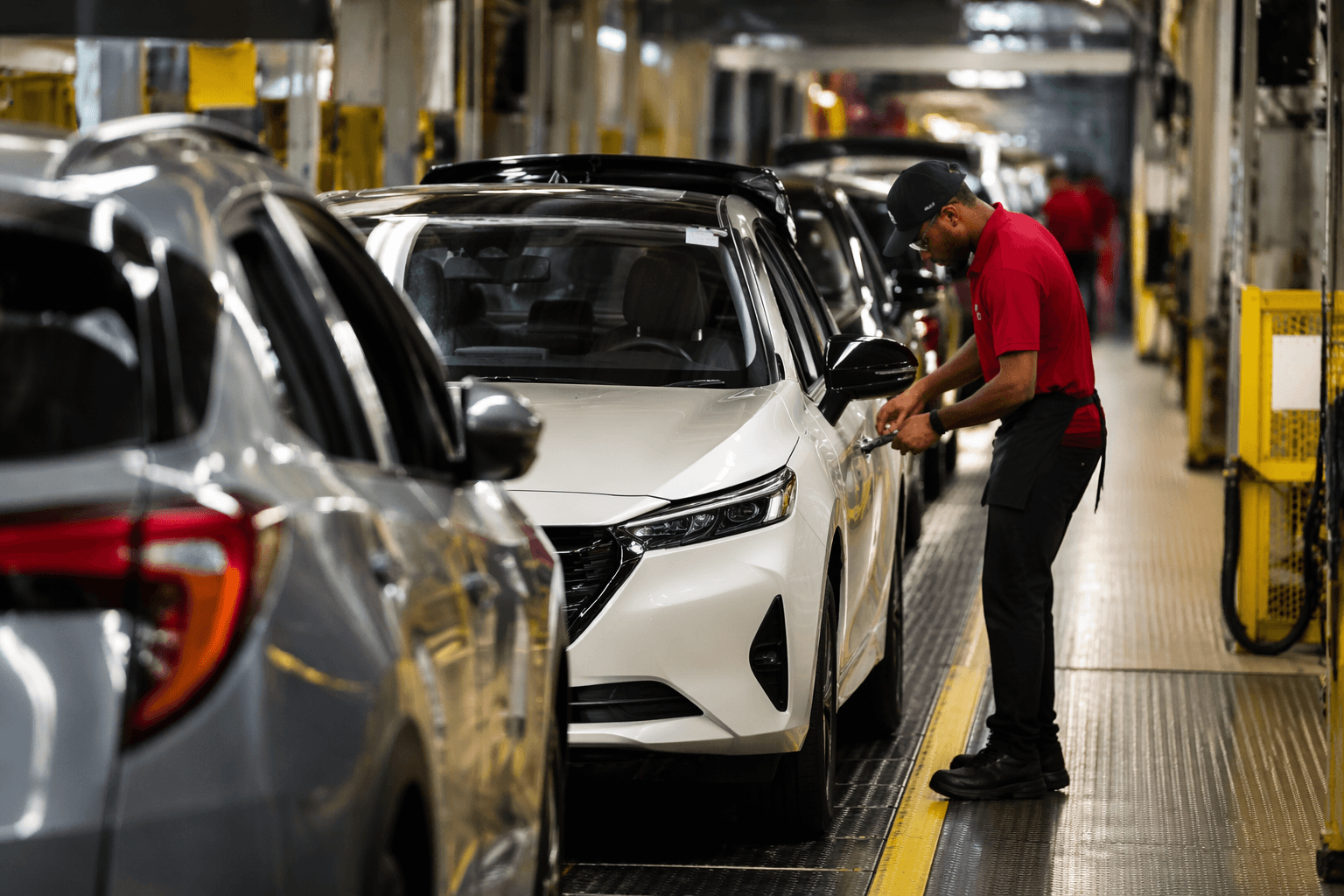
Nissan has shown some improvement in retail traffic, but not enough to prove the turnaround is durable. In the first quarter of 2026, U.S. retail sales rose 9.6% even as total sales fell 7.5%, which Nissan attributed to tighter discipline and stronger sales of U.S.-built vehicles. For calendar 2025, Nissan reported 926,153 U.S. sales, up just 0.2% from 2024, a sign of stabilization rather than a full recovery.
That leaves Espinosa with a familiar corporate repair job: reduce the discounting that hurt residual values, shift sales away from fleet dependence and rebuild the product mix that consumers actually want to own. Until Nissan can do that consistently, the second-quarter gain looks more like evidence of progress than proof that the rental-car image has finally been left behind.
This article was produced by Prism’s automated news system from verified source data, official records, and press releases, then run through automated quality and moderation checks before publishing. The system is built and supervised by the people who set the standards it runs under. Read our full AI policy.
Did this article answer your question?