Nissan halts electric Qashqai development amid Europe restructuring
Nissan shelved an electric Qashqai as Europe pressure and restructuring forced a sharper cash test for EV plans at Sunderland.

Nissan has stopped work on an electric version of the Qashqai, its top-selling model in Europe, a sharp sign that the company’s restructuring is forcing harder choices about which vehicles deserve investment. Six sources with knowledge of the matter said the battery-electric project was quietly halted as Nissan trimmed its lineup and cut costs.
The decision matters because the Qashqai sits at the center of Nissan’s European business. It accounted for about 45% of Nissan’s 330,000 European sales in 2025, and Nissan said in its European results release that 45% of total sales were electrified in fiscal 2024. That makes Europe one of the company’s most important battlegrounds for electrification, but also one where pricing pressure and uneven demand are now reshaping what gets built.
The move also cuts across a commitment Nissan made on November 24, 2023, when it said it would invest up to £2 billion in Sunderland to produce two new electric vehicle models. The UK government said that plan would help protect 7,000 direct British jobs and strengthen Sunderland’s role as a global EV manufacturing hub. Sunderland is Nissan’s only remaining European assembly plant and employs around 6,000 workers, which gives the decision immediate local and regional stakes.
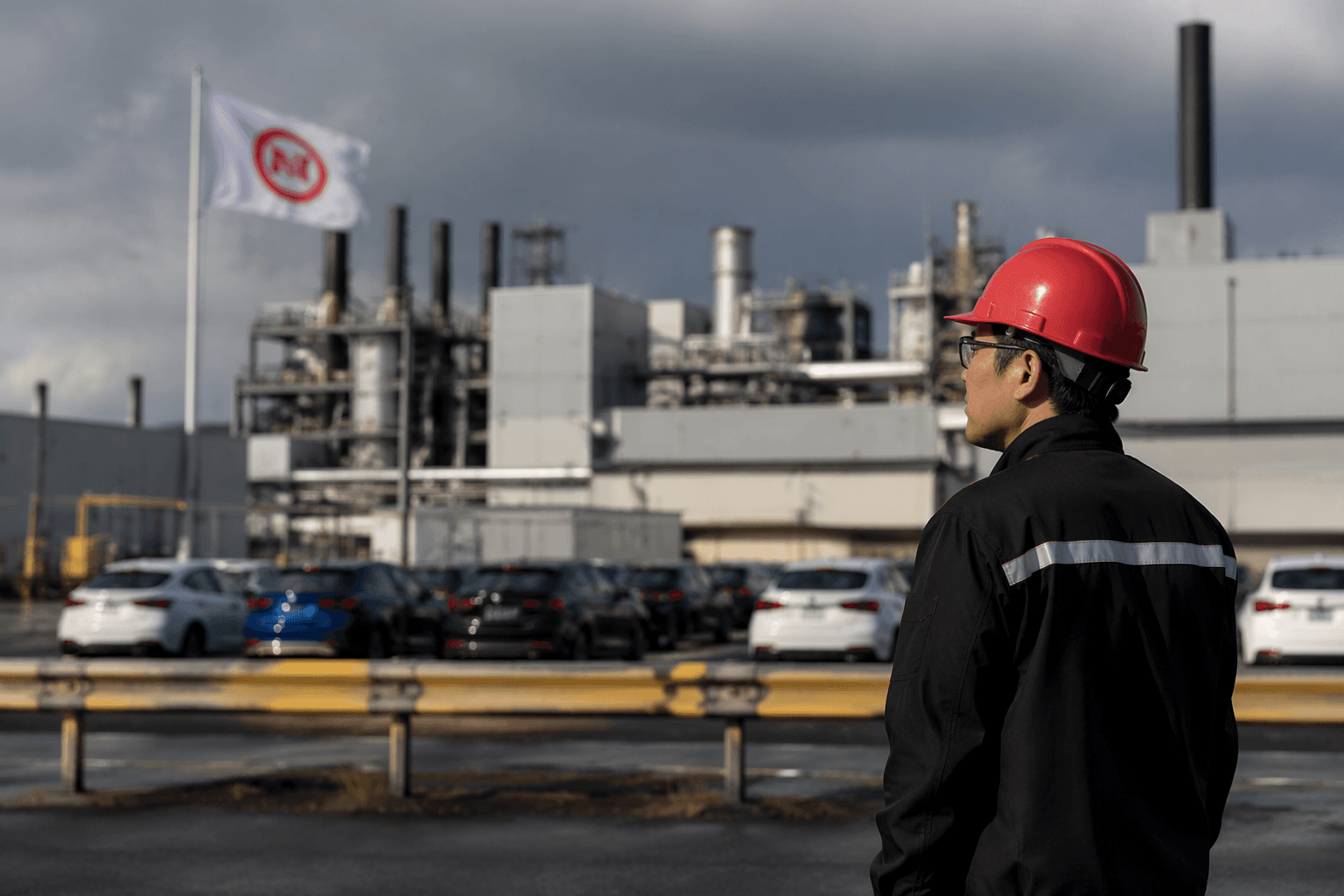
The retreat shows how quickly those investment promises can be reassessed when the market softens. Nissan is now deep in a global restructuring and is in talks with the British government over support tied to a long-term commitment and investment at Sunderland. If the electric Qashqai is revived, the sources said it would likely not reach the market until the early 2030s, leaving it behind a crowded field that already includes lower-priced offerings from fast-growing Chinese brands.
That delay would be especially notable for a nameplate that has long anchored Nissan’s European strategy. The Qashqai was first unveiled in 2006, sales began in February 2007, and Nissan said at launch that it expected the model to sell more than 100,000 units a year across Europe. Nissan said it remained committed to expanding its electrified lineup, including hybrids, while pointing to volatility in European EV demand. For the auto industry, the message is clear: the electrification race is no longer just about speed, but about protecting cash and avoiding expensive bets that no longer look certain to pay off.
This article was produced by Prism’s automated news system from verified source data, official records, and press releases, then run through automated quality and moderation checks before publishing. The system is built and supervised by the people who set the standards it runs under. Read our full AI policy.
Did this article answer your question?

%3Amax_bytes(150000)%3Astrip_icc()%2FCertificate-of-deposit-2301f2164ceb4e91b100cb92aa6f868a.jpg&w=1920&q=75)
